Sağlıklı ve beyaz dişler, kişisel bakım ve estetiğin önemli bir parçası olarak kabul edilmektedir. Ağız ve diş sağlığı, bireylerin genel görünümünde önemli bir yer tutar. Bu nedenle, diş beyazlatma gibi estetik işlemler, insanların daha hoş bir gülüşe sahip olmalarını sağlayabilir.
Diş beyazlatma, diş minesinin renginin çeşitli nedenlerle değişmesi durumunda, dişlerin renginin açılması için yapılan bir işlemdir. Genetik faktörler, yaşam tarzı ve alışkanlıklar (örneğin, çay, kahve, sigara gibi maddeler) dişlerde renk değişikliklerine yol açabilir.
Diş beyazlatma, diş minesindeki iç ve dış renklenmeleri hedef alan bir kozmetik uygulamadır. Bu işlem, özel beyazlatıcı jeller ile dişlerin renginin açılmasına yardımcı olabilir.
Diş Beyazlatma (Bleaching) Nasıl Yapılır?
Diş beyazlatma işlemi, öncelikle diş taşı temizliği ile başlar. Dişlerin üzerindeki birikmiş tartar ve plaklar, polisaj adı verilen bir yöntemle temizlenir. Bu adım, dişlerin daha pürüzsüz bir yüzeye sahip olmasına yardımcı olur.
Diş beyazlatma işlemi hassas bir uygulamadır ve mutlaka uzman diş hekimleri tarafından yapılmalıdır. Diş yüzeyindeki kir ve lekeler temizlendikten sonra, beyazlatma ajanları uygulanarak dişlerin doğal renginin açılması sağlanır.
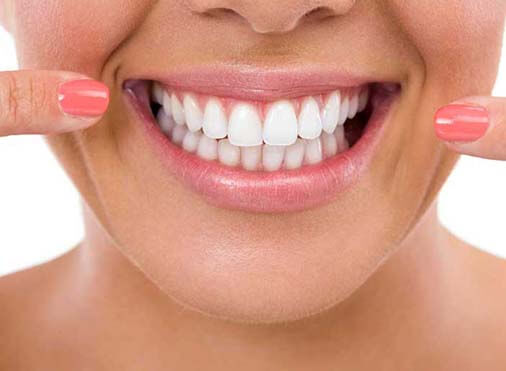
Dişlerdeki yumuşak dokular (yanak, dil, dudak, diş eti gibi) koruyucu bir bariyerle izole edilir. Yumuşak dokular daha hassas olduğu için, korunmaları ve kimyasal maddelerden uzak tutulmaları önemlidir.
Bu aşamada, beyazlatıcı kimyasalların diş etine temas etmemesi gerekir; eğer bariyer etkili bir şekilde uygulanmazsa, diş etlerinin geçici olarak beyazlaması söz konusu olabilir. Ancak bu durum, hastalar için rahatsız edici olabilir; bu nedenle dikkatli olunması önerilir.
Beyazlatma jelinin dişlere uygulanmasından sonra, bir ışıkla aktive edilir ve doktor kontrolünde yeterli beyazlığa ulaşana kadar 15–20 dakikalık seanslar tekrarlanır.
Diş beyazlatma işlemi sonrası dişler bol suyla durulanarak temizlenir ve istenilen beyazlığa ulaşana kadar doktor kontrolünde seanslar devam ettirilir; gerekirse işlem tekrarlanır.
Klinikte yapılan beyazlatma işlemi sonrası beyazlığın korunması amacıyla, beyazlatıcı jel içeren bir kalıp dişlere yerleştirilir. Profesyonel bir diş hekimi gözetiminde yapılan işlemler, dişlere ve diş minesine zarar vermez.
Diş beyazlatma yöntemleri bilimsel gelişmelere paralel olarak her geçen gün artmakta ve gelişmektedir. Bu sayede, kimyasal maddelerin dentin ve mine tabakalarının rengini değiştirmesiyle dişler beyazlatılır ve sağlıklı, güzel gülüşler elde edilir.
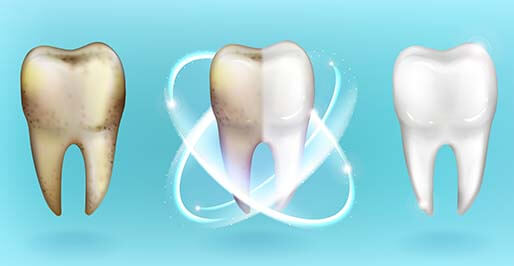
Beyazlatma işlemi iki şekilde yapılır: Bunlardan ilki Ofis Tipi Beyazlatma, klinik ortamda birkaç saat içinde uygulanır. Bu yöntem, uzman hekim tarafından ofiste gerçekleştirilir ve hızlı sonuçlar elde edilmesini sağlar.
Diğer yöntem ise Ev Tipi Beyazlatma işlemidir. Ev tipi beyazlatma, doktor gözetiminde yapılan bir tedavi sürecidir. Diş hekiminiz, içerisinde beyazlatıcı madde bulunan özel bir plak verir ve kullanım talimatlarına göre bu plağı dişlerinize yerleştirmeniz istenir. Bu plak genellikle gece boyunca dişlerinizde kalır. Ortalama olarak 1 hafta boyunca, 7-8 saat süresince plak takılması önerilebilir. Ev tipi beyazlatma, klinik ortamda yapılan beyazlatma tedavisinin ardından kalıcılığın sağlanması için ek bir işlem olarak önerilir.
En uygun tedavi yöntemine, diş hekiminizle görüşerek karar verebilirsiniz.
Diş Beyazlatma İşleminin Yan Etkisi Var Mıdır?
Diş beyazlatma işlemi, uzman hekimler tarafından yapıldığında güvenli ve yaygın olarak tercih edilen bir kozmetik tedavi yöntemidir. Uygulama sırasında, dişlere zarar verilmez. Aksine, işlem öncesinde yapılan diş temizliği, diş sağlığını destekler.
Beyazlatma işlemi sırasında dişlerde herhangi bir kalıcı zarar oluşmaz. Beyazlatma maddesi, dişlerin renklenmiş bölümlerini hedef alır, diş dokusuna veya diş etlerine zarar vermez.
Beyazlatma işlemi sonrası, sıcak ya da soğuk yiyecek ve içecekler tüketilirken hassasiyet olabilir. Bu hassasiyet genellikle 48 saat içinde geçer ve hekimler tarafından normal bir durum olarak kabul edilir.
Beyazlatma işleminin belirgin bir yan etkisi yoktur; ancak işlem sırasında dişlerin hassasiyetinde kısa süreli değişiklikler görülebilir. Bu durumun doğal olduğunu ve tedavi sonrası dikkat edilmesi gereken bazı noktalara dikkat edilmesi gerektiğini unutmamak önemlidir.

Beyazlatma sonrası dikkat edilmesi gerekenler:
Beyazlatma işleminin hemen sonrasında çay ve kahve gibi renkli içeceklerin tüketilmesinden kaçınılmalıdır.
Renkli meyve ve sebzelerden, özellikle kırmızı renkli gıdalardan bir süre uzak durmanız faydalı olacaktır.
Beyazlatma sonrası diş bakımınıza daha fazla özen göstermeniz önemlidir. Dişlerinizi günde iki kez fırçalamanız, diş ipi kullanmanız ve gargara yapmanız, beyazlığın uzun süre korunmasına yardımcı olabilir.
Sigara, diş rengini olumsuz etkileyebilen zararlı alışkanlıklardan biridir. Sigara kullanımını sınırlamak, diş rengindeki değişimin önlenmesine katkı sağlar.
Dişlerinizin rengi, bazen genetik faktörlere bağlı olarak doğal olarak belirlenebilir. Beyazlatma işlemi, genetik faktörlere bağlı renk değişikliklerinde yeterli gelmeyebilir. Böyle durumlarda, diş hekiminizle görüşerek farklı tedavi seçeneklerini değerlendirebilirsiniz.
Diş Beyazlatma Neden Yapılır?
Diş beyazlatma, genellikle estetik amaçlarla tercih edilen bir işlemdir. Sağlıklı ve estetik dişler, sosyal yaşamda ve iş dünyasında önemli bir yere sahiptir. Diş estetiği, bu nedenle büyük bir öneme sahiptir.
Eğer diş sağlığınıza yeterince özen gösteremediyseniz, dişlerinizin rengi zamanla değişebilir. Beyazlatma işlemi, dişlerinizi eski görünümüne kavuşturabilir ve estetik açıdan iyileştirme sağlayabilir.
Fazla asidik içecekler ve sigara kullanımı gibi faktörler, diş renginin değişmesine neden olabilir. Bu gibi durumlarda, diş beyazlatma işlemi tercih edilebilir.
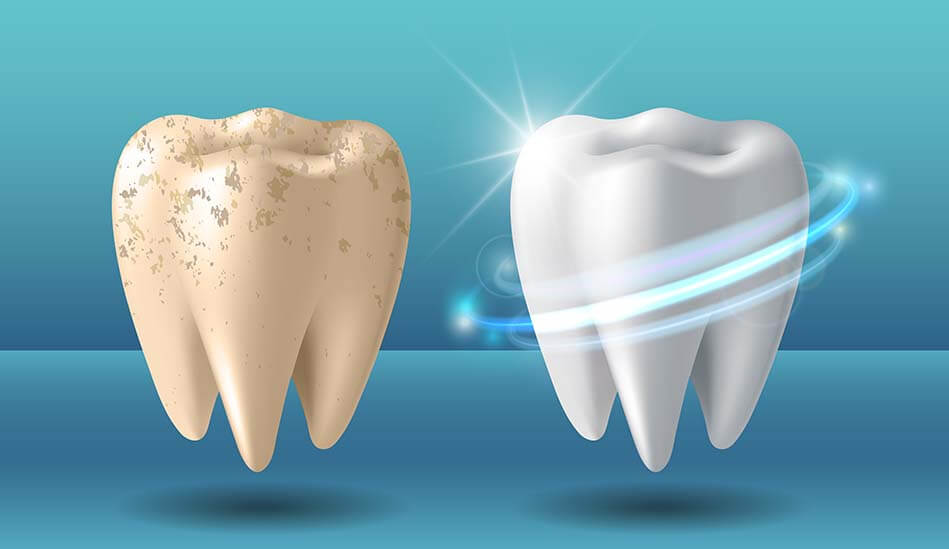
Fizyolojik rahatsızlıklar sonucu kullanılan ilaçlar ve antibiyotikler, dişlerin renginde değişikliklere yol açabilir. Bu durumda, dişlerin eski rengini geri kazanmak için sadece diş fırçalamak yeterli olmayabilir. Diş beyazlatma işlemi, güvenli bir şekilde dişlerinizi daha doğal bir beyazlığa kavuşturabilir.
Beğenilmeyen veya hoşa gitmeyen diş rengi, diş hekimlerinin önerisiyle güvenli bir şekilde beyazlatılabilir ve sağlıklı bir gülüş elde edilebilir. Ancak, her birey diş beyazlatma işlemi için uygun olmayabilir:
Diş Beyazlatma Sonrası Hassasiyet Oluşur Mu?
Diş beyazlatma işlemi sonrasında hafif bir hassasiyet görülebilir. Bu hassasiyet genellikle geçicidir ve 48 saat içinde kaybolur. Beyazlatma sonrası meydana gelen hassasiyet için diş hekiminizin önerisiyle ağrı kesici kullanılabilir. Ayrıca, aşındırıcı içeren diş macunlarından kaçınılmalı ve geçici hassasiyet geçene kadar kullanımına ara verilmelidir.
Dişleriniz beyazlatma öncesinde hassas ise bunu diş hekiminize bildirmeniz önemlidir, böylece tedavi süreci kişisel ihtiyaçlarınıza göre şekillendirilebilir.
Diş Beyazlatma Diş Yapısına Zarar Verir Mi?
Diş beyazlatma işlemi, deneyimli diş hekimleri tarafından doğru şekilde yapıldığında dişlere zarar vermez. Dişlerin estetik görünümünü iyileştirirken diş yapısına herhangi bir olumsuz etkisi bulunmaz. Beyazlatma öncesinde diş eti problemleri tedavi edilip, diş taşları temizlendiği için bu işlem aslında diş sağlığını destekler.
Beyazlatma işlemini, güvenilir ve uzman diş hekimlerinin uyguladığı kliniklerde tercih etmelisiniz. Uygulama sırasında kullanılan teknikler, doğru bir şekilde yapılmadığında dişlerde zarar oluşma riski olabilir. Evde yapılan, kontrolsüz beyazlatma uygulamaları ise dişlere kalıcı hasar verebilir. Örneğin, karbonat veya limon gibi evde yaygın olarak kullanılan doğal malzemeler, dişlerinizi beyazlatmak yerine diş minesine zarar verebilir, bu da daha fazla renk değişimine yol açar. Bu tür malzemelerin kullanımı uzmanlar tarafından kesinlikle önerilmez.
Dişler Beyazlığını Nasıl Kaybeder?
Diş beyazlatma işlemi genellikle 6 ay ile 2 yıl arasında bir süreyle kalıcı olabilir. Ancak bu süre, bireysel kullanım alışkanlıklarına ve dişlerin bakımına göre değişiklik gösterebilir. Yine de, doğru ağız bakımı ve düzenli diş hekimi kontrolleriyle beyazlatma sonrası sonuçlar daha uzun süre korunabilir.
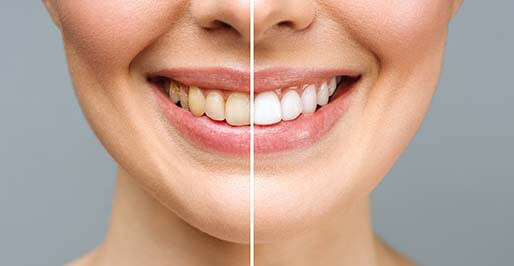
Beyazlatma işleminden sonra dikkat edilmesi gereken noktalar arasında ağız ve diş bakım rutinlerinin ihmal edilmemesi, sigara kullanımından kaçınılması, asitli içeceklerden uzak durulması ve diş ipi ve gargara kullanımının önemsenmesi bulunmaktadır. Bu faktörlere özen gösterilmezse, diş beyazlığını zamanla kaybetmek mümkündür.
Beyazlatma sonrası dişleriniz eski rengine dönmeyecek, ancak belli aralıklarla diş hekimi kontrolleri ile işlem tekrarlanabilir ve beyazlık sürekliliği sağlanabilir.
Ofis tipi beyazlatmayı ev tipi beyazlatma ile desteklemek, dişlerinizin daha uzun süre beyaz kalmasını sağlar. Düzenli bakım ve dikkatle, dişlerinizi uzun süre beyaz tutabilirsiniz.
Diş Beyazlatma (Bleaching) Merkezleri:
Diş beyazlatma işlemi, klinik ortamda ve bir diş hekimi tarafından yapılması gereken bir yöntemdir. Her ne kadar risksiz bir işlem olsa da, işlem için güvenilir ve uzman bir merkezin tercih edilmesi çok önemlidir. Güvendiğiniz ve deneyimli bir merkezden hizmet almanız, başarılı sonuçlar elde etmenizi sağlar.
Diş Beyazlatma Yapanlar:
Birçok kişi diş beyazlatma işleminden memnun kalmaktadır. Ancak, işlemden sonra doğru bakım yapılmazsa, dişler eski rengine dönebilir. Bu yüzden, diş hekimlerinin önerilerine dikkat edilmesi ve işlemin ardından verilen bakım talimatlarının uygulanması oldukça önemlidir.
Beyazlatma öncesinde hoşlanmadığınız dişleriniz, doğru bir tedavi ile daha beyaz ve sağlıklı hale gelir. Güvendiğiniz bir hekim ve merkez sayesinde bu işlemden olumlu sonuçlar alabilirsiniz.
Beyazlatma sonrasında diş bakımına daha fazla özen gösterdiğinizde, sağlıklı dişlere ve uzun süre korunan beyazlığa sahip olmanız mümkündür. Özellikle alkol, çay ve asitli içeceklerden kaçınan hastalar, diş beyazlığını daha uzun süre koruyabilirler.
Diş tedavisi sırasında genellikle ağrı hissetmezsiniz. Tedavi öncesinde bölgeyi uyuşturmak için lokal anestezi uygulanır. Anestezinin etkisi geçtiğinde hafif bir sızı olabilir, ancak bu geçici bir durumdur.
Diş beyazlatma, doğru teknikler ve uzman hekim kontrolünde yapıldığında tamamen güvenlidir. Ağız sağlığınıza zarar vermez. Ancak, bazı hassasiyetler geçici olarak ortaya çıkabilir.
Diş temizliği, diş eti hastalıklarını önlemek ve ağız sağlığını korumak için oldukça önemlidir. Diş taşı birikmesi, diş eti iltihaplarına yol açabilir, bu yüzden düzenli diş temizliği önerilir.
Diş implantı, kaybedilen dişlerin yerine konan titanyum vidalardır. Bu vidalar çene kemiğine yerleştirilir ve üzerine protez diş yapılır. İmplant tedavisi, doğal dişlere benzer bir işlev sağlar.
Ortodontik tedavi süresi kişisel ihtiyaçlara göre değişir, ancak genellikle 1-3 yıl arasında sürer. Tedavi süresi, dişlerin durumuna ve tedaviye gösterilen uyuma bağlı olarak değişebilir.
Çocuklar için diş tedavisi, yaşlarına ve gelişim seviyelerine göre özelleştirilir. Çocukların diş sağlığını korumak için erken yaşta düzenli kontrol ve diş temizliği önerilir.
Diş teli tedavisi genellikle 9-14 yaş arası çocuklar için önerilir. Ancak, yetişkinlerde de ortodontik tedavi mümkündür. Çene ve diş gelişimi tamamlandıktan sonra da ortodontik tedavi yapılabilir.
Diş çürüğü, çürüğün derinliğine göre çeşitli yöntemlerle tedavi edilir. Yüzeysel çürükler dolgu ile tedavi edilirken, derin çürükler kanal tedavisi gerektirebilir.
Diş protezleri, kaybedilen dişlerin yerine kullanılan yapay dişlerdir. Diş kaybı olan hastalarda estetik ve fonksiyonel sorunları çözmek için diş protezi uygulanabilir.
Diş sağlığını korumak için yılda en az iki kez diş hekimi kontrolü önerilir. Düzenli diş muayeneleri, erken teşhis ve tedavi için önemlidir.
Diş eti kanaması, genellikle diş eti iltihabının bir belirtisidir ve ihmal edilmemelidir. Diş eti sağlığınızda bir problem olup olmadığını anlamak için diş hekiminize başvurmalısınız.
Diş tedavisinin iyileşme süreci, tedavi türüne göre değişir. Dolgu ve temizlik işlemlerinde genellikle hemen bir sorun oluşmazken, implant veya diş çekimi gibi işlemler birkaç gün sürebilir.
Hamilelik sırasında acil diş tedavileri yapılabilir. Ancak, genellikle ikinci trimester (3.-6. aylar) tercih edilir. Anestezi ve ilaç kullanımı konusunda diş hekiminizle mutlaka görüşmelisiniz.
Dişlerde hassasiyet, genellikle diş minesinin aşınması veya diş etlerinin çekilmesi sonucu oluşur. Diş hekiminiz, hassasiyeti azaltmaya yönelik tedaviler önerir. Ayrıca hassasiyet giderici diş macunları kullanılabilir.

Ağız, Diş ve Çene Cerrahisi; Çene ve çene eklemi rahatsızlıkları, ağız içi yumuşak dokular ve dişlerin her türlü rahatsızlıkların teşhisi ve tedavisi ile ilgilenen Diş Hekimliği anabilim dalıdır.
Detaylı Bilgi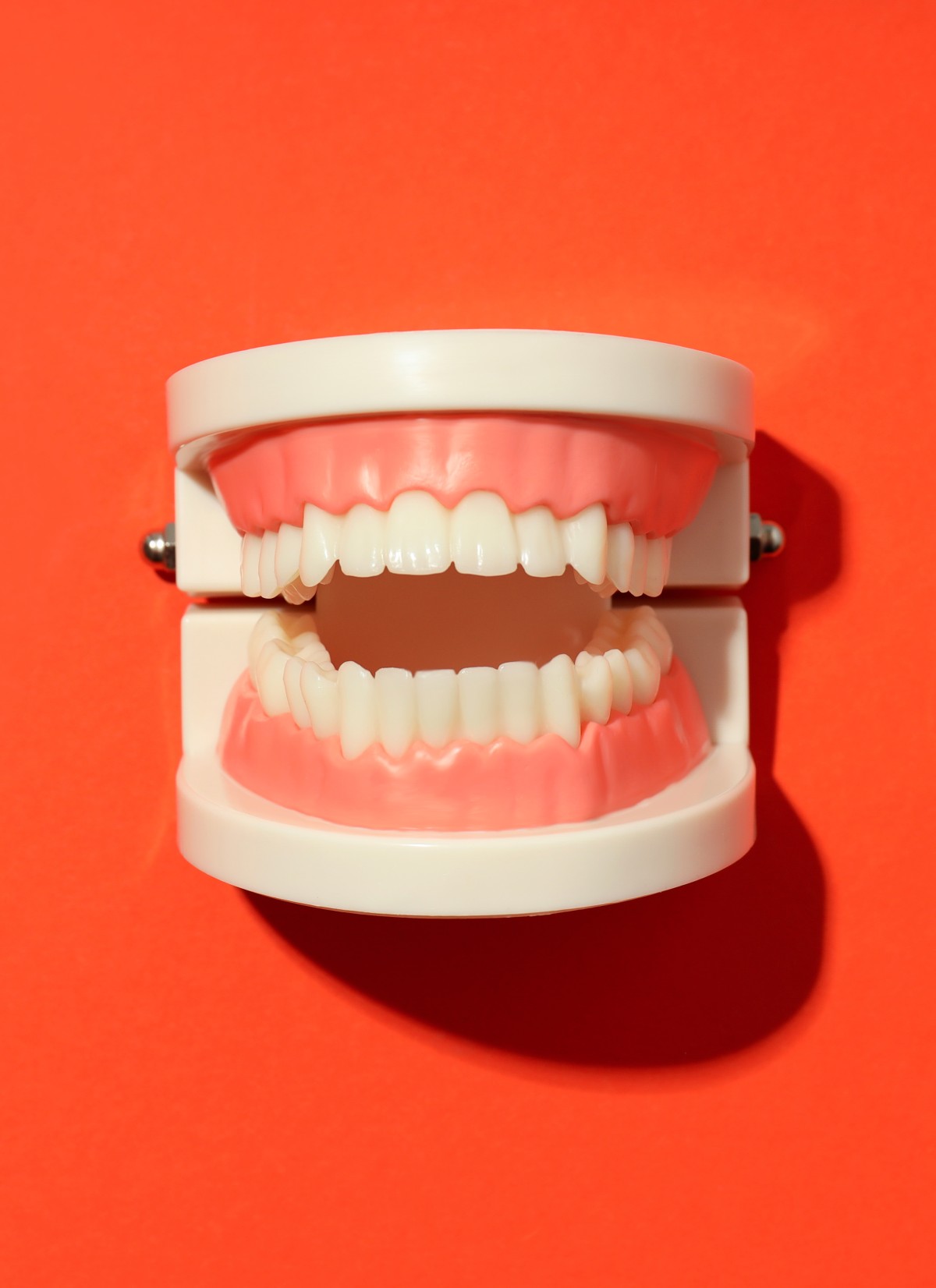
Diş protezleri doğal diş yapısı bozulan kişilerin dişlerinin düzeltilmesi ya da farklı sebeplere bağlı olarak eksilen dişlerin tamamlanması için kullanılan yapay dişlerdir.
Detaylı Bilgi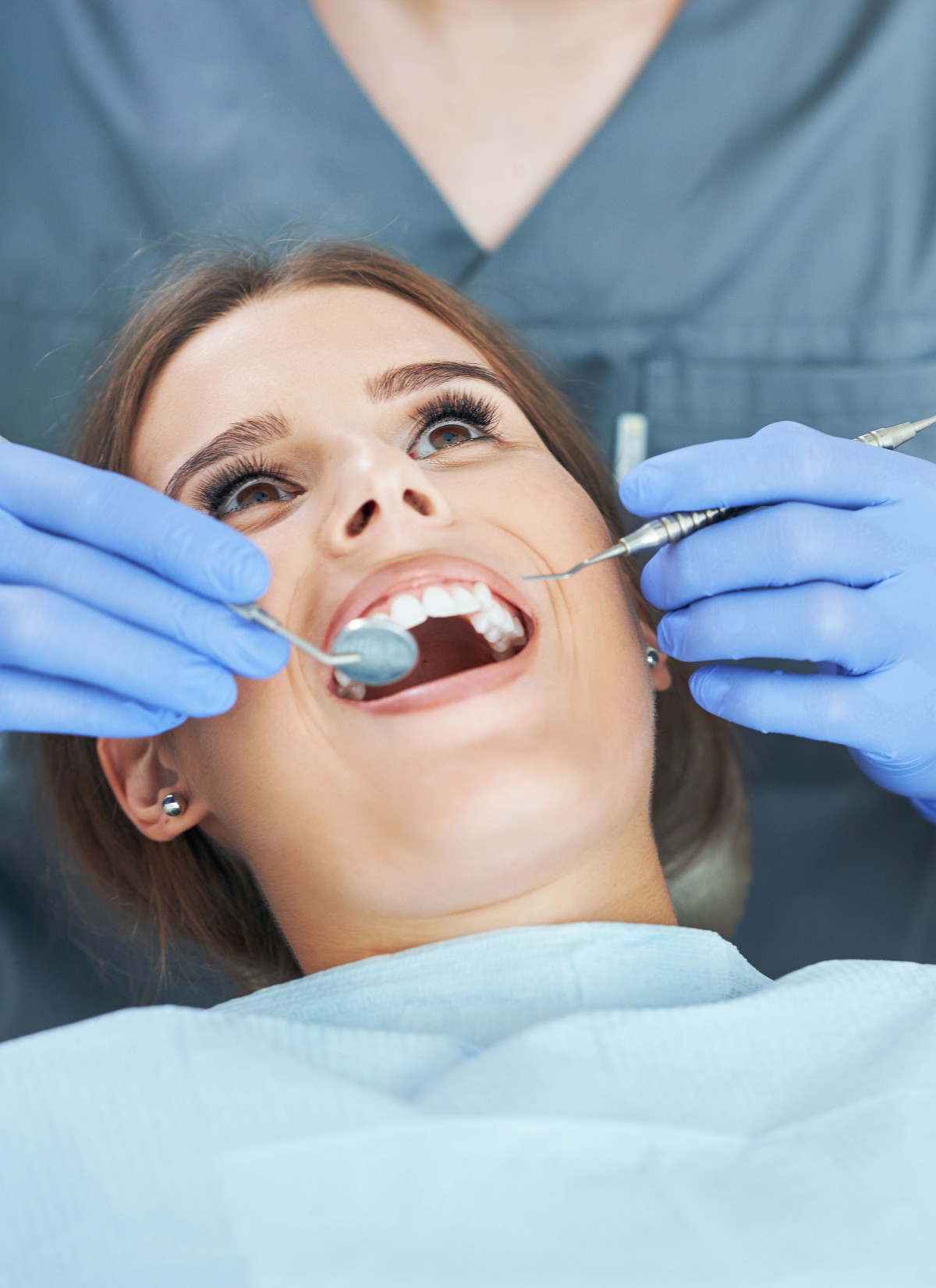
Restoratif Diş Tedavisi Anabilim Dalı: Uzmanlık alanında diş dokularında gelişimsel ya da kazanılmış rahatsızlıklar sebebiyle ortaya çıkan yapı bozukluklarını teşhis eder,
Detaylı Bilgi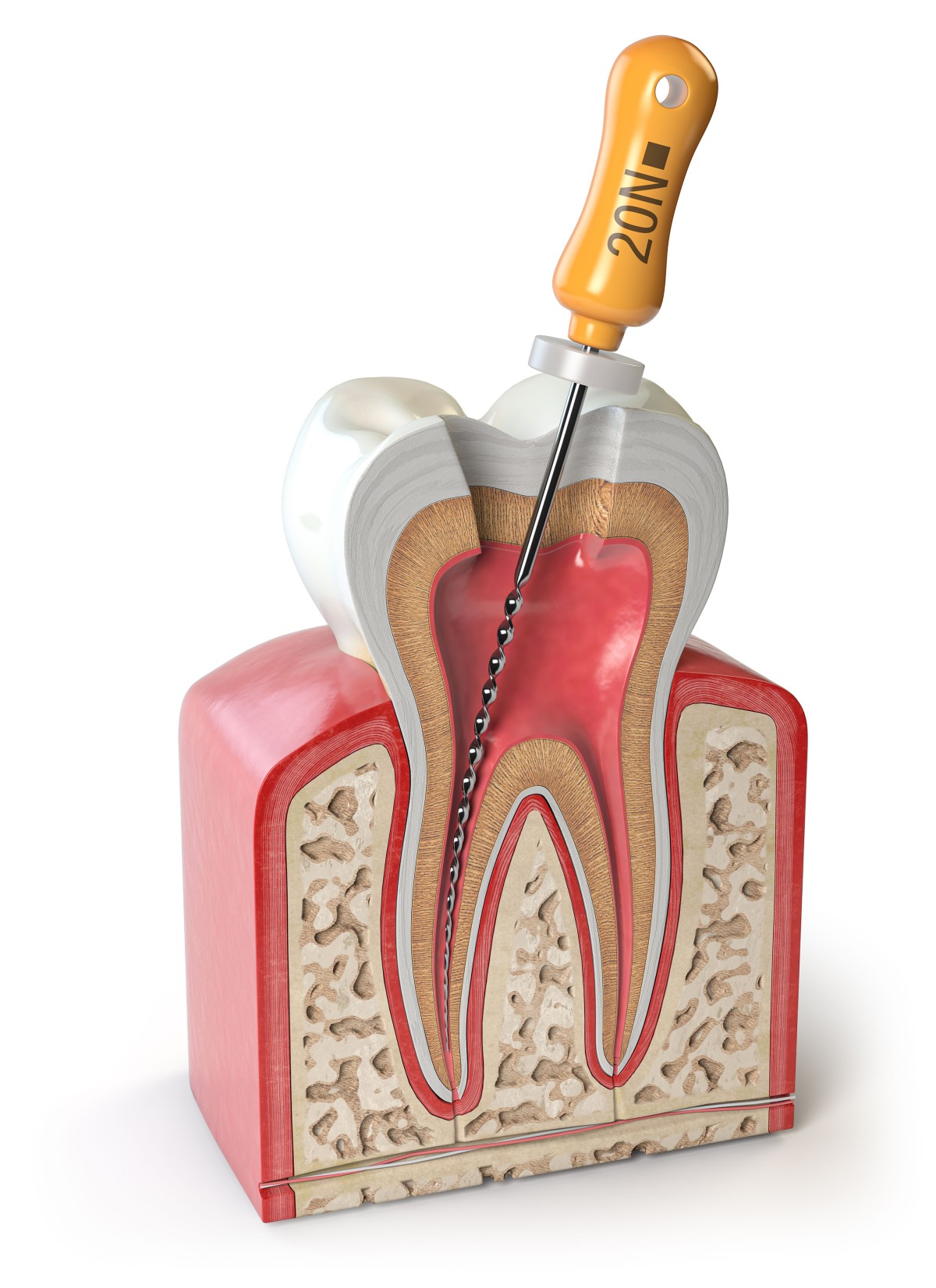
Diğer adıyla kanal tedavisi olarak bilinen endodonti, dişin enfekte olması veya önemli oranda çürümesi sebebiyle,
Detaylı Bilgi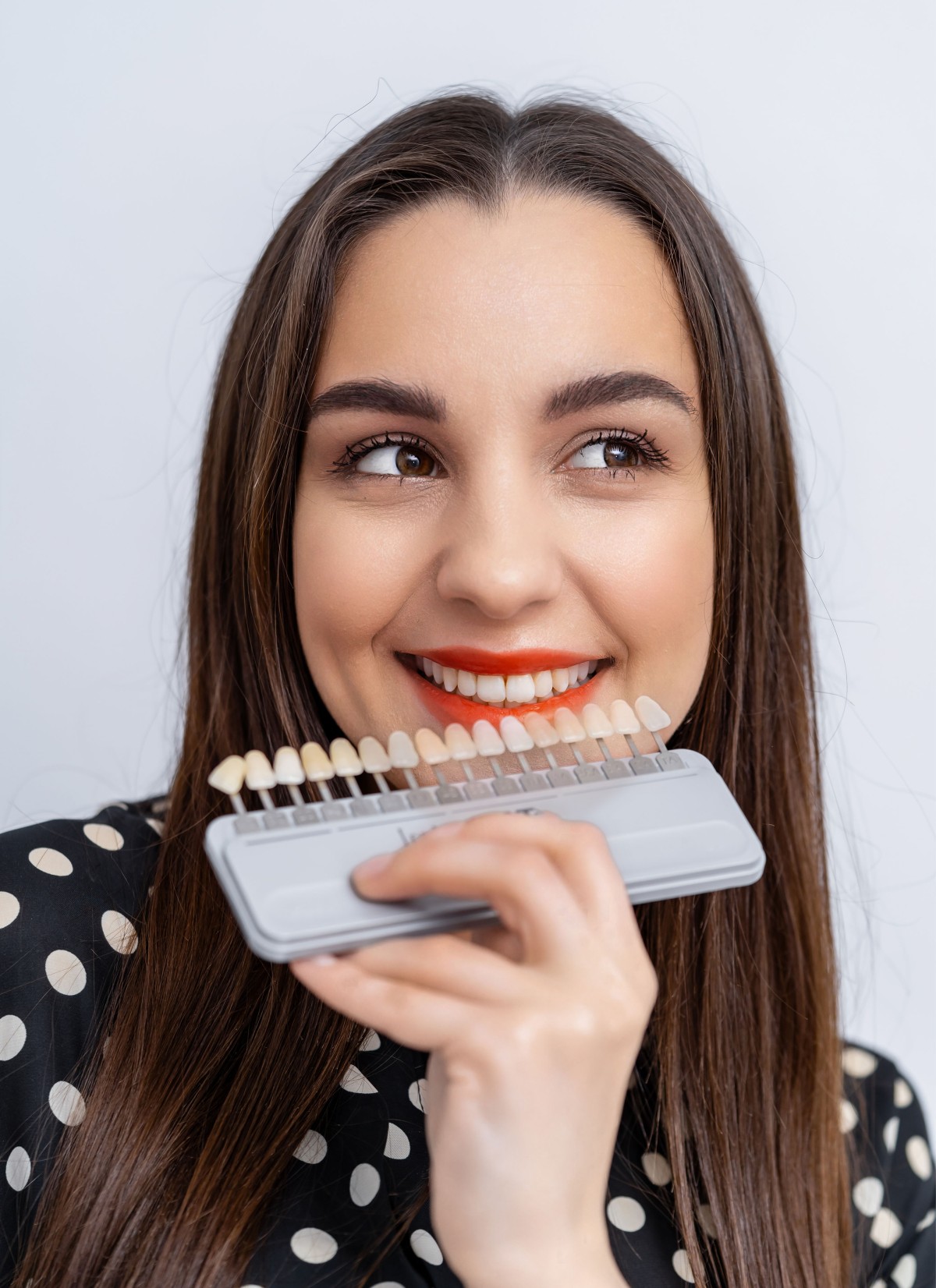
Diş ve diş sağlığı, insanların en çok önem verdiği konulardan biridir. Konuşurken ve gülerken daha estetik bir görünüm elde etmek isteyen bireyler, diş temizliğine ve bakımına daha fazla özen göstermektedir.
Detaylı Bilgi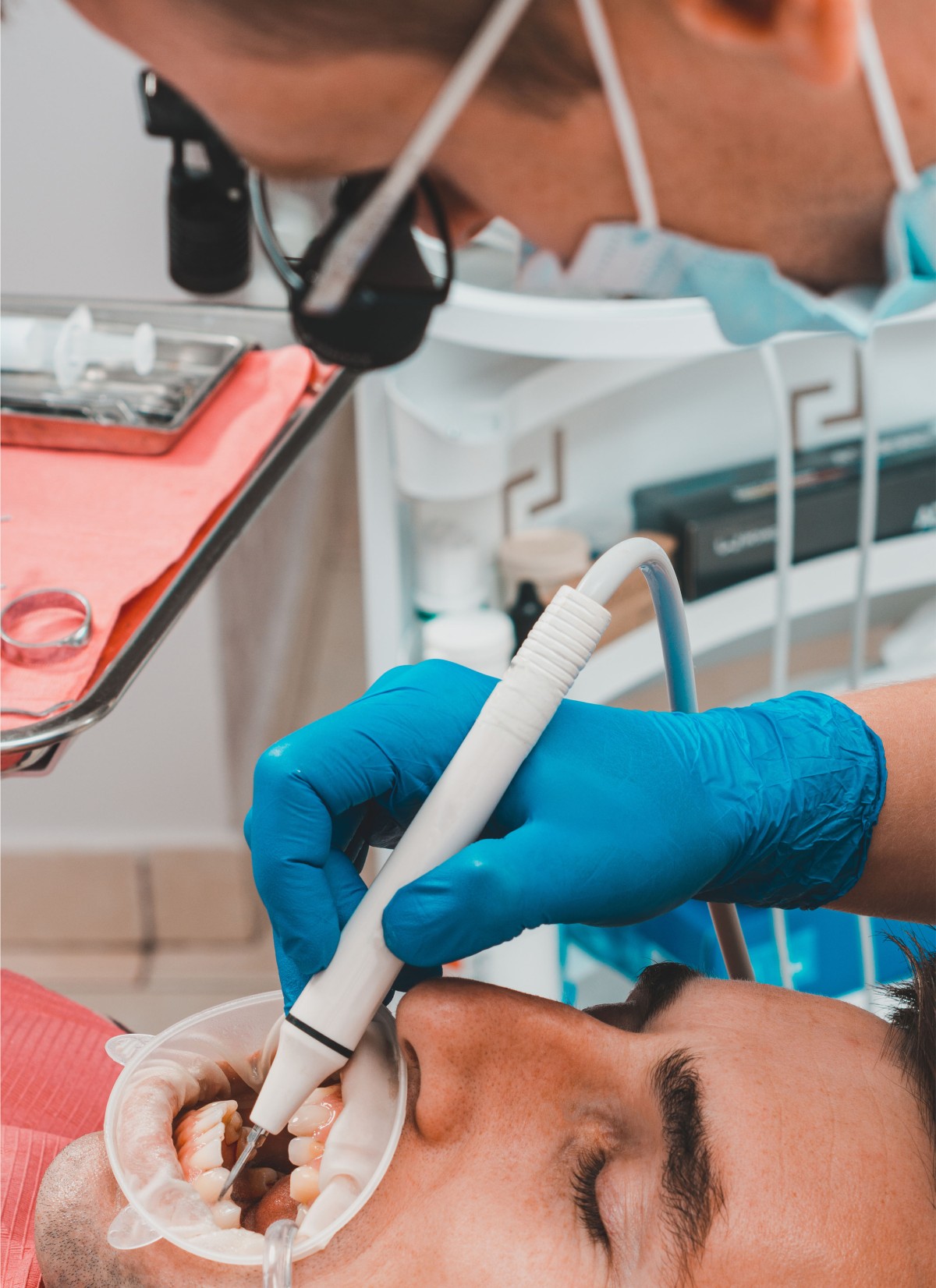
Bu yazımızda “periodontoloji nedir?” sorusuna yanıt arayacağız. Periodontoloji, bilimsel ifadesiyle dişleri çevreleyen dokular yani dişeti ve diş köklerini saran kemiklerde oluşan hastalıklar ve bunların tedavisi ile ilgilenen ana bilim dalıdır
Detaylı Bilgi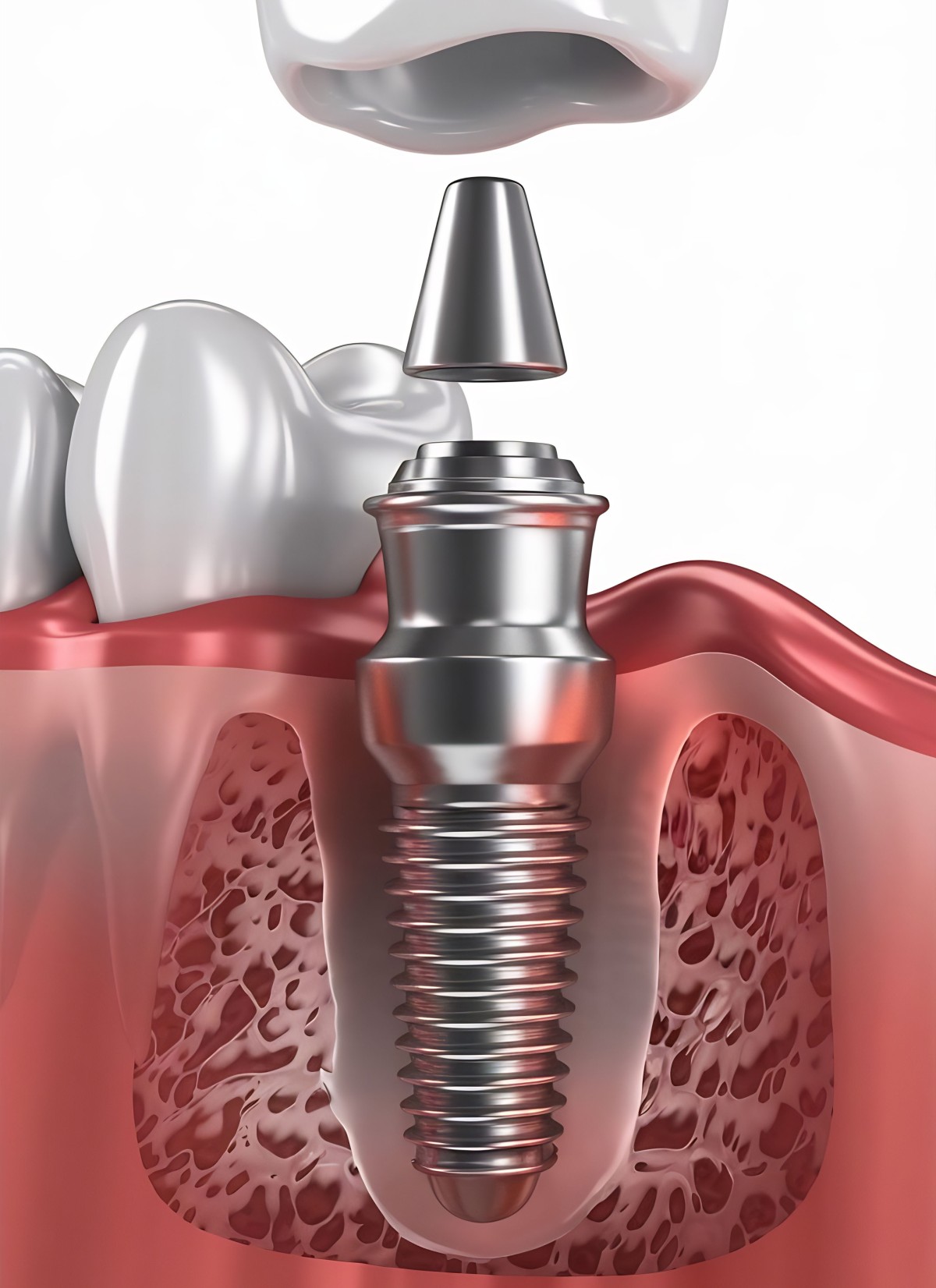
Dental implant titanyumdan yapılan ve diş köklerini taklit eden vidalardır. Cerrahi işlemle çene kemiğine yerleştirilen implant, kron ya da takma dişler gibi yapay dişlere destek sağlar.
Detaylı Bilgi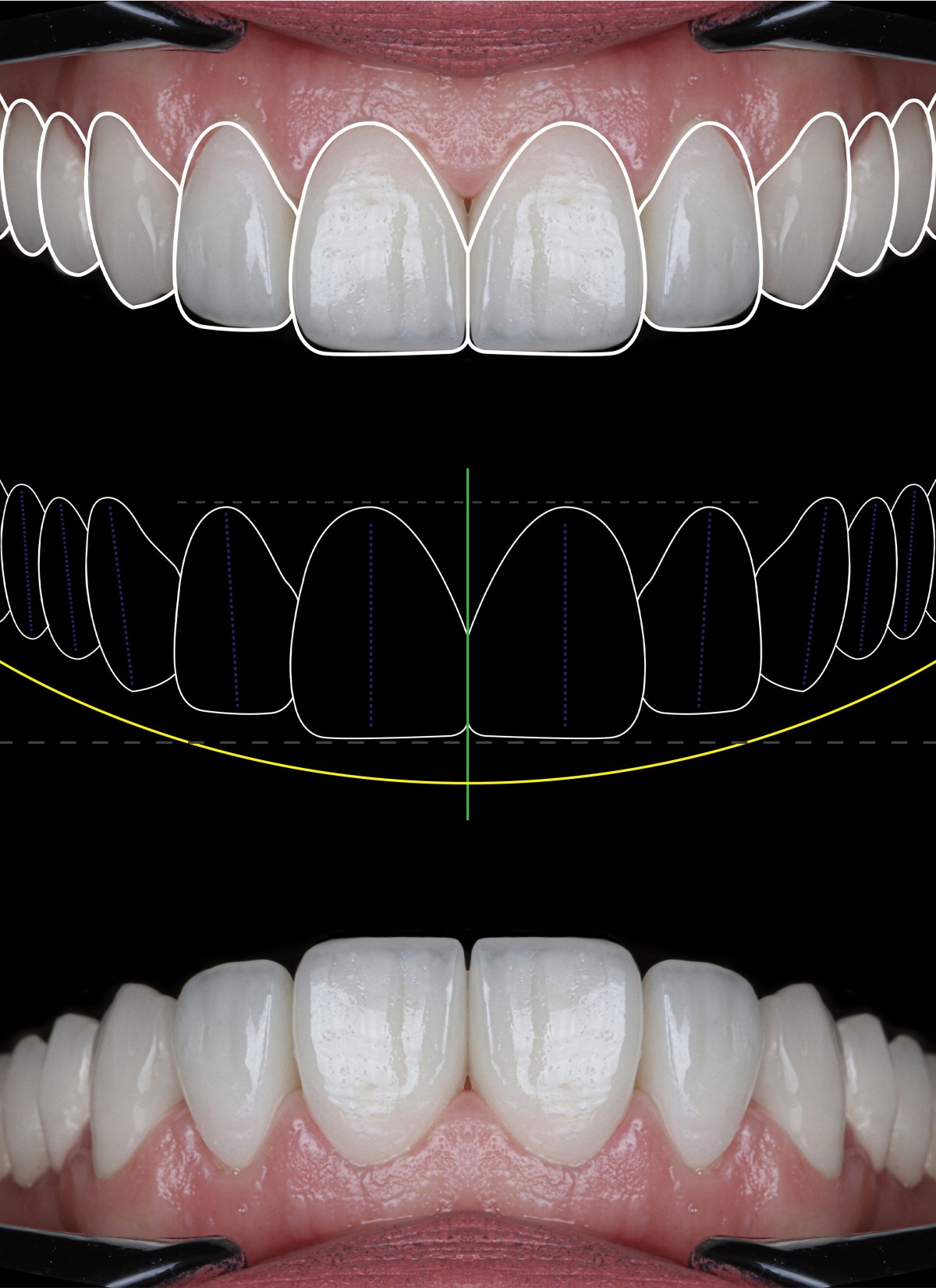
Gülüş Tasarımı, diş durumunuzu sanatsal olarak daha estetik ve daha doğal görünüme getirir. Estetik Gülüş Tasarımı:
Detaylı Bilgi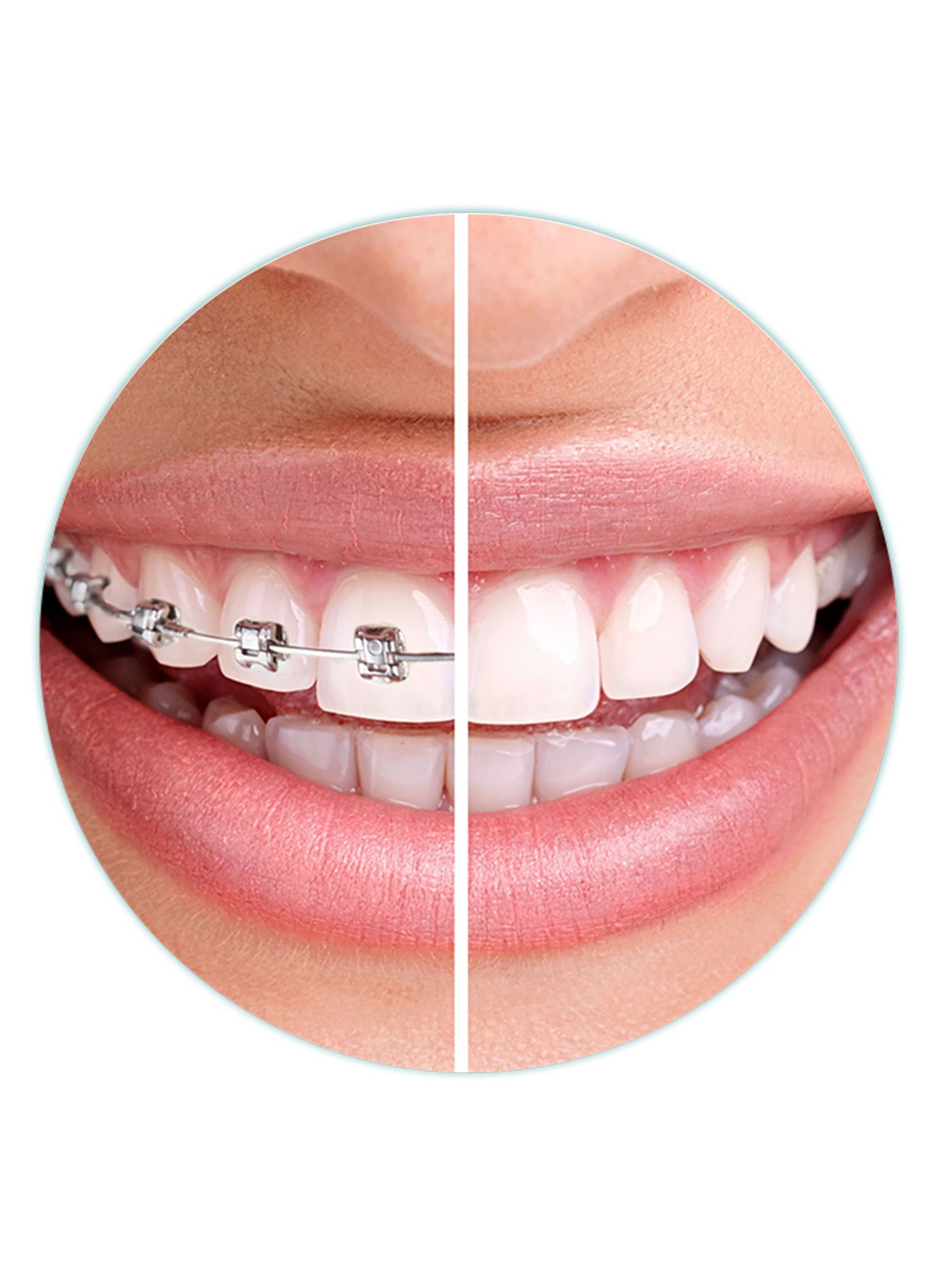
Ordodonti bilim dalı olarak, çene, diş ve yüz bozukluklarının teşhisi, tedavisi ve önlenmesiyle ilgilenir; küçük çocuklarda çene gelişimine katkıda bulunarak dişlerin doğru pozisyonlarda olmalarına yardım eder
Detaylı Bilgi
 EN
EN 