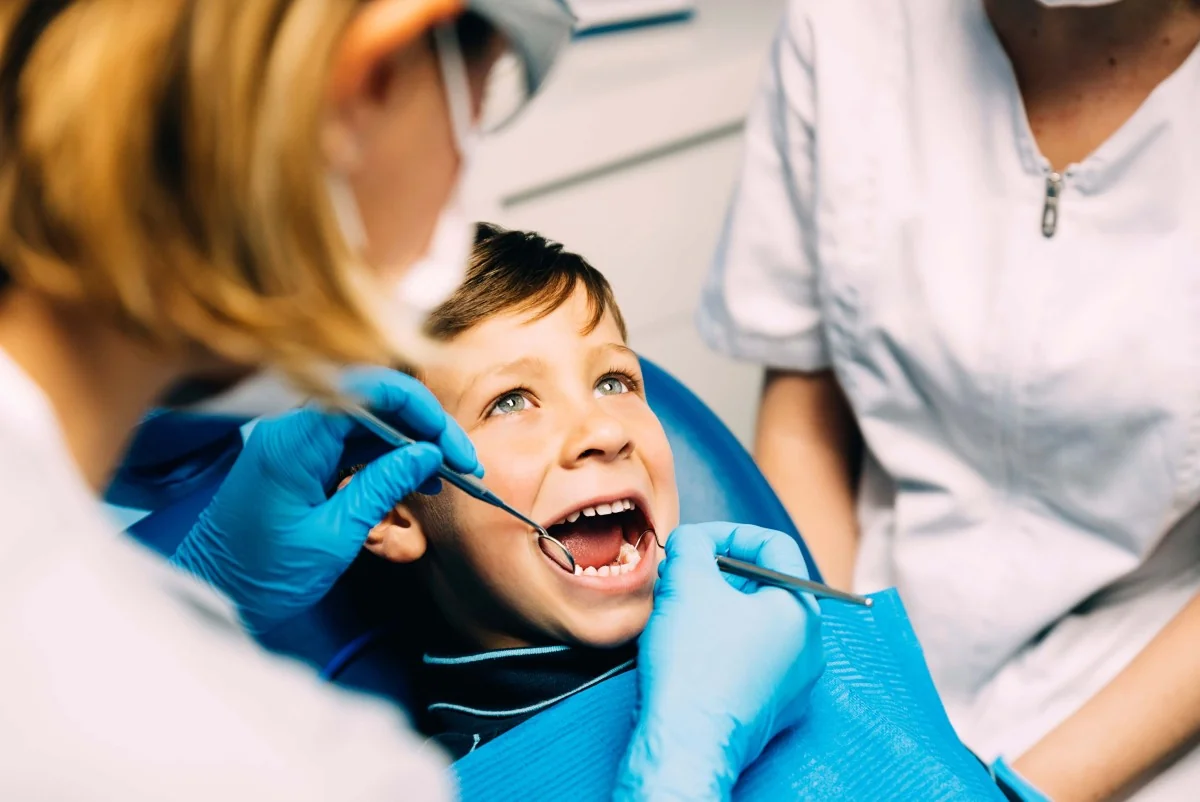
Pulp Treatment in Baby Teeth: Why and When Is It Necessary?
What Is Pulp Treatment in Baby Teeth?
Teeth are made up of different layers. The central layer, called the pulp, is where the blood vessels and nerves are located. This tissue helps us sense temperature changes and chewing pressure. If cavities are not treated in the early stages, they can reach the pulp over time and cause permanent damage. Additionally, trauma can damage the pulp. In such cases, if not treated, the pulp may need to be removed from the tooth. This procedure is called root canal treatment, and it involves replacing the pulp with tooth-friendly materials.
How Is Pulp Treatment Performed on Baby Teeth?
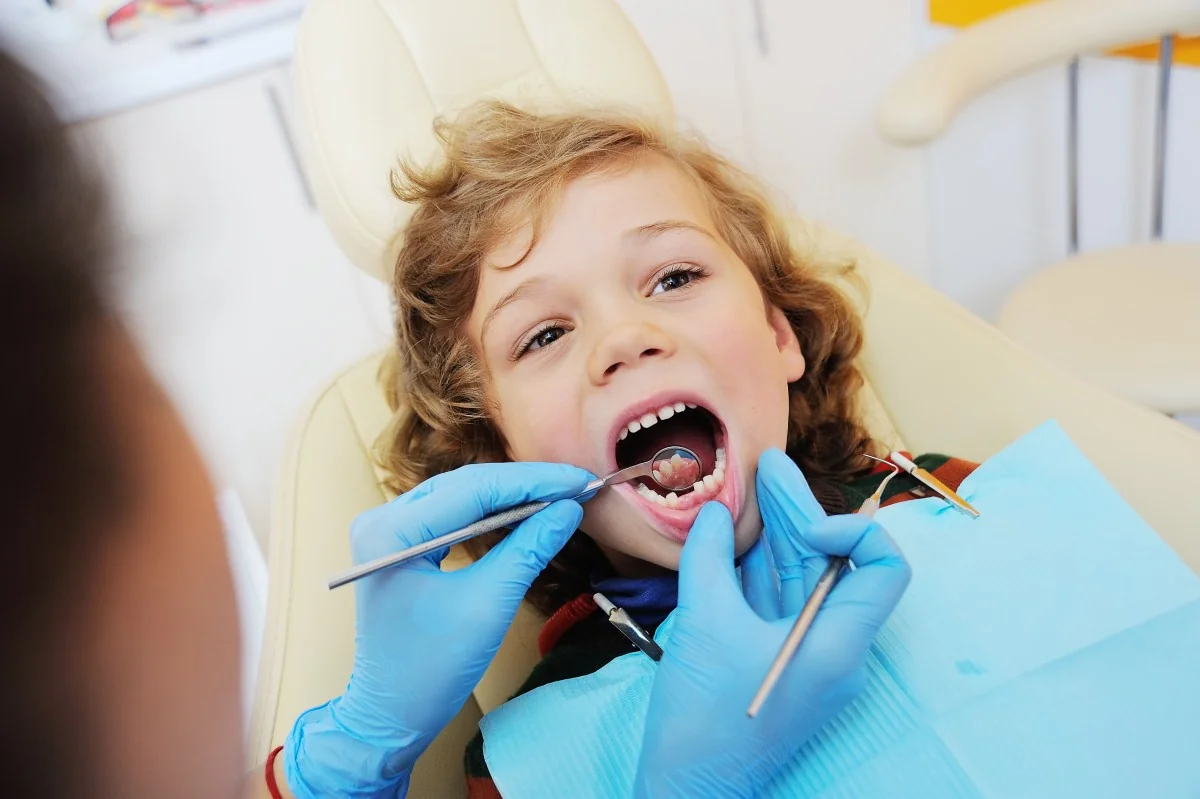
Root canal treatment follows the same principles in both baby and permanent teeth, but the procedure differs. The roots of baby teeth dissolve over time to allow the permanent tooth beneath it to emerge. Therefore, the filling in the roots of baby teeth may gradually dissolve as well. Moreover, since baby teeth have shorter and thinner roots than permanent teeth, the procedure is usually faster and easier to perform.
Does Pulp Treatment on Baby Teeth Affect the Permanent Tooth?
Proper pulp treatment on baby teeth does not affect the permanent tooth. In fact, untreated baby teeth can pose an infection risk that may damage the developing permanent tooth. If not addressed early, the infection can spread to surrounding tissues and negatively impact the permanent tooth’s structure. With timely pulp treatment, the baby tooth remains healthy without affecting the permanent tooth. If an untreated baby tooth needs to be extracted, a space maintainer may be required to ensure proper eruption of the permanent tooth.
Is Pulp Treatment Painful?
During the procedure, patients typically do not feel any pain. Local anesthesia is applied to the affected tooth before treatment, ensuring that the patient is comfortable. After the anesthesia wears off, some mild sensitivity in the treated tooth is normal. Your dentist will recommend an appropriate painkiller for the recovery process. Additionally, some discomfort or sensitivity when biting down may occur for a few days after the treatment.
What Should You Do to Protect Your Dental Health?
To prevent the need for root canal treatment and maintain optimal dental health, regular dental check-ups are essential. It is important to schedule a dental exam every 6 months for both yourself and your child to catch any potential issues early.
Dr. Zeynep Kaya, DDS
Learn about the different areas of expertise of orthodontists and dentists
Read the ArticleAmong the most commonly preferred dental crowns are zirconium and metal-backed porcelain crowns.
Read the ArticleDental treatments, which can be challenging even for adults, can sometimes be even more complex for children
Read the ArticleSmile design is a comprehensive process that improves the appearance of a person's teeth in accordance with their aesthetic expectations.
Read the ArticleOrthodontic treatment can be applied at any age. However, early intervention is crucial for skeletal issues related to the jaw structure. Starting treatment before puberty provides more effective results. Discover the details in our article!
Read the ArticleGum recession is a common issue where the root surfaces of teeth become exposed. With early diagnosis and proper treatment, it can be prevented. Read our article for more details.
Read the ArticleSmiling increases happiness and reduces stress. Maintaining oral health makes it possible to achieve a brighter smile.
Read the Article Health Tourism
 TR
TR