Severity: Notice
Message: Undefined offset: 2
Filename: controllers/Homepage.php
Line Number: 278
Backtrace:
File: /home/rivadentcom/public_html/application/controllers/Homepage.php
Line: 278
Function: _error_handler
File: /home/rivadentcom/public_html/index.php
Line: 315
Function: require_once
Dental implants are screws made of titanium that imitate tooth roots. It provides support to artificial teeth such as implants, crowns or dentures, which are surgically placed in the jawbone. One of the most important criteria for placing a dental implant is the jawbone. Additional procedures are applied in cases where the jawbone is insufficient.
Dental implants help restore a person’s chewing ability and facial jaw lines. One of the biggest benefits of implant treatment is that it creates a solid support for your teeth.
Implants made of titanium integrate with the jawbone. Thanks to its integration with the jawbone, it does not slip, does not make noise, and does not cause bone damage as in fixed bridges or prostheses.
Dental implants may be right for you.
Dental implants can significantly improve a person’s quality of life and health. Sometimes, some complications may occur during the treatment process. Some complications cause implant failure. Implant laxity or loss is defined as unsuccessful implant treatment. In these cases, another surgical procedure is needed to replace the implant system.
For detailed information about the treatment, you can contact our specialists via phone or WhatsApp.
The purpose of dental prostheses is to restore the old function of the teeth as well as aesthetics. While the dental implant provides a solid support for your fixed dental prosthesis, it can be used in the absence of a single tooth, several teeth or a complete tooth.

Like any surgery, it is normal for dental implant surgery to carry some health risks, problems are rare and when they do occur; it is usually small and easily treated.
It is among the complications that may occur during the treatment process.
Dental Implant treatment is planned individually. Implant treatment is decided based on the patient’s condition and implant type. Types of dental implants:
In order for the dental implant treatment to be successful, the quantity and quality of the bone to which it will be placed is very important. In cases where the jawbone is insufficient, additional treatments are applied.
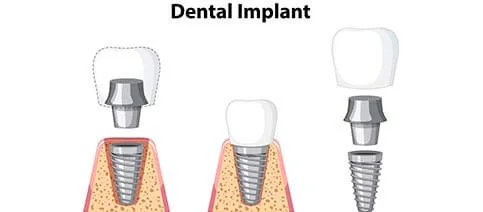
Dental implants are screw-shaped tooth roots made of titanium for jawbone compatibility and used to replace missing teeth.
Implant surgery ensures that the jaw and tooth structure are healthy again, as well as completing the missing teeth. With dental implant treatment, missing teeth can be filled without interfering with other teeth. This is one of the prominent advantages of implant treatment.
Preliminary evaluation is very important for the success of implant treatment and patient comfort. Performing comprehensive dental check-ups of the patient, taking dental and jaw X-rays, and obtaining three-dimensional images help in the correct planning before the surgery. If necessary, your doctor may request a test or analysis. If the physician detects any problem in the gums, he first starts the treatment of the problems.
Before the implants are placed, the surrounding teeth are checked and planned so that they are not damaged. It will make your doctor’s job easier if you take care of your mouth and teeth before going to treatment.
One of the questions about Dental Implant is “How is Dental Implant Surgery Performed?” is the question. First of all, the treatment process consists of several sessions. After the necessary controls and planning are made, the jawbone measurements are taken and the appropriate implants are prepared. In the first stage, the implants are placed in the jawbone with local anesthesia and it is waited for an average of 1.5 – 2 months for the implants to fuse with the jawbone. In this process, doctor checks are made. If there is no problem in the doctor’s controls, the second stage is started. In the second stage, the measurement of the tooth structure is taken. After the appropriate teeth are prepared, they are placed on the implant. The treatment is completed successfully in approximately 2-3 months.
All On 4 is a proven sufficient way to replace multiple missing teeth; this system offers outstanding functionality. It can withstand chewing and biting challenges.
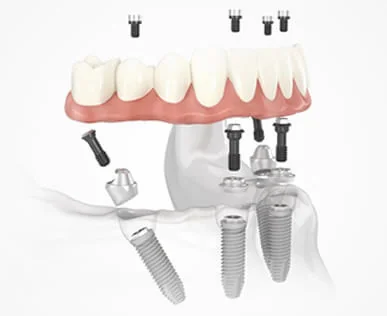
Those with missing teeth or advanced gum disease usually have some bone loss. All On 4 is a unique system as it makes the most of the existing bone in the patient’s jaw to place implants; it is designed to maximize bone and eliminate the need for additional procedures such as bone grafting, which can be expensive and painful.
The process requires using computer technology to place implants, find the best areas, and analyze a patient’s jawbone. Artificial teeth can also be inserted after they are in place; the operation is routine and usually takes about 90 minutes. However, keep in mind that every case is different and your dentist will discuss the status of your surgery with you when the time comes.
The final step involves your dentist preparing a post-treatment plan to ensure your smooth recovery. After the operation, patients can usually drink immediately, but it is recommended to eat soft food for three months, and check-ups and cleanings should be attended every 6-12 months to make sure everything is in order.
This procedure has been 98% successful over the last decade, and is often recommended as an alternative to traditional prostheses, especially in patients with reduced jawbones.
Typically, you won't feel pain during dental treatment. Local anesthesia is applied to numb the area before the procedure. After the anesthesia wears off, you might experience mild soreness, but this is temporary.
Teeth whitening is completely safe when done with proper techniques and under the supervision of a qualified dentist. It does not harm your oral health. However, some temporary sensitivity may occur.
Teeth cleaning is very important for preventing gum diseases and maintaining oral health. Tartar buildup can lead to gum inflammation, so regular dental cleanings are recommended.
A dental implant is a titanium post placed in the jawbone to replace a lost tooth. It serves as a stable foundation for a dental crown, providing functionality similar to natural teeth.
The duration of orthodontic treatment varies based on individual needs, but it typically lasts between 1 to 3 years. The treatment time depends on the condition of the teeth and how well you follow the treatment plan.
Children's dental treatment is personalized according to their age and development. Regular check-ups and dental cleanings are essential for maintaining their oral health and preventing future issues.
Orthodontic treatment is usually recommended for children between the ages of 9 and 14, when their growth phase is not complete. However, adults can also undergo orthodontic treatment, and treatment can be effective even after the growth period.
Tooth decay is treated depending on its severity. Superficial cavities are treated with fillings, while deeper cavities may require root canal treatment.
Dental prostheses, such as crowns or bridges, are used to replace missing teeth. They can be recommended for patients with tooth loss to restore both function and aesthetics.
It is recommended to visit the dentist at least twice a year for regular check-ups. Regular visits help with early detection of potential issues and are essential for maintaining optimal oral health.
Gum bleeding is typically a sign of gum inflammation and should not be ignored. You should visit a dentist if you experience gum bleeding to address any potential oral health issues.
The recovery process depends on the type of treatment. For procedures like fillings and cleanings, recovery is usually immediate. However, for treatments like implants or tooth extractions, recovery may take a few days.
Urgent dental treatments can be performed during pregnancy. However, it is generally best to schedule dental procedures during the second trimester (3-6 months). Be sure to discuss anesthesia and medication use with your dentist.
Tooth sensitivity is often caused by enamel erosion or gum recession. Your dentist may recommend treatments to reduce sensitivity, and using sensitivity-reducing toothpaste can also help alleviate discomfort.

Oral, Dental and Maxillofacial Surgery; It is the department of Dentistry that deals with the diagnosis and treatment of jaw and jaw joint disorders, oral soft tissues and all kinds of dental disorders.
Detailed Information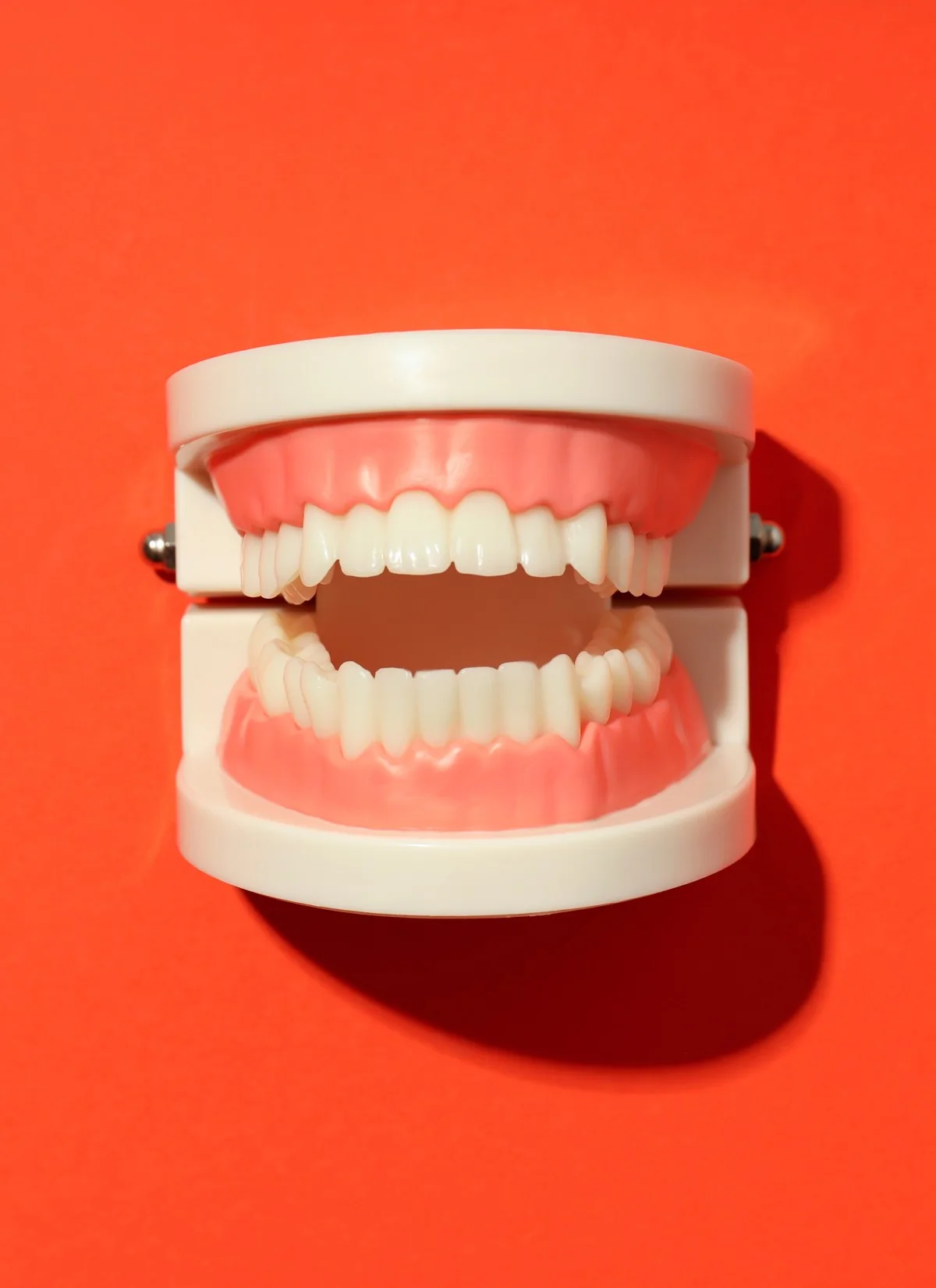
Dental prostheses are artificial teeth used to correct the teeth of people whose natural tooth structure is deteriorated or to complete the missing teeth due to different reasons.
Detailed Information
Department of Restorative Dentistry: Diagnoses the structural disorders that occur due to developmental or acquired disorders in dental tissues in its specialty
Detailed Information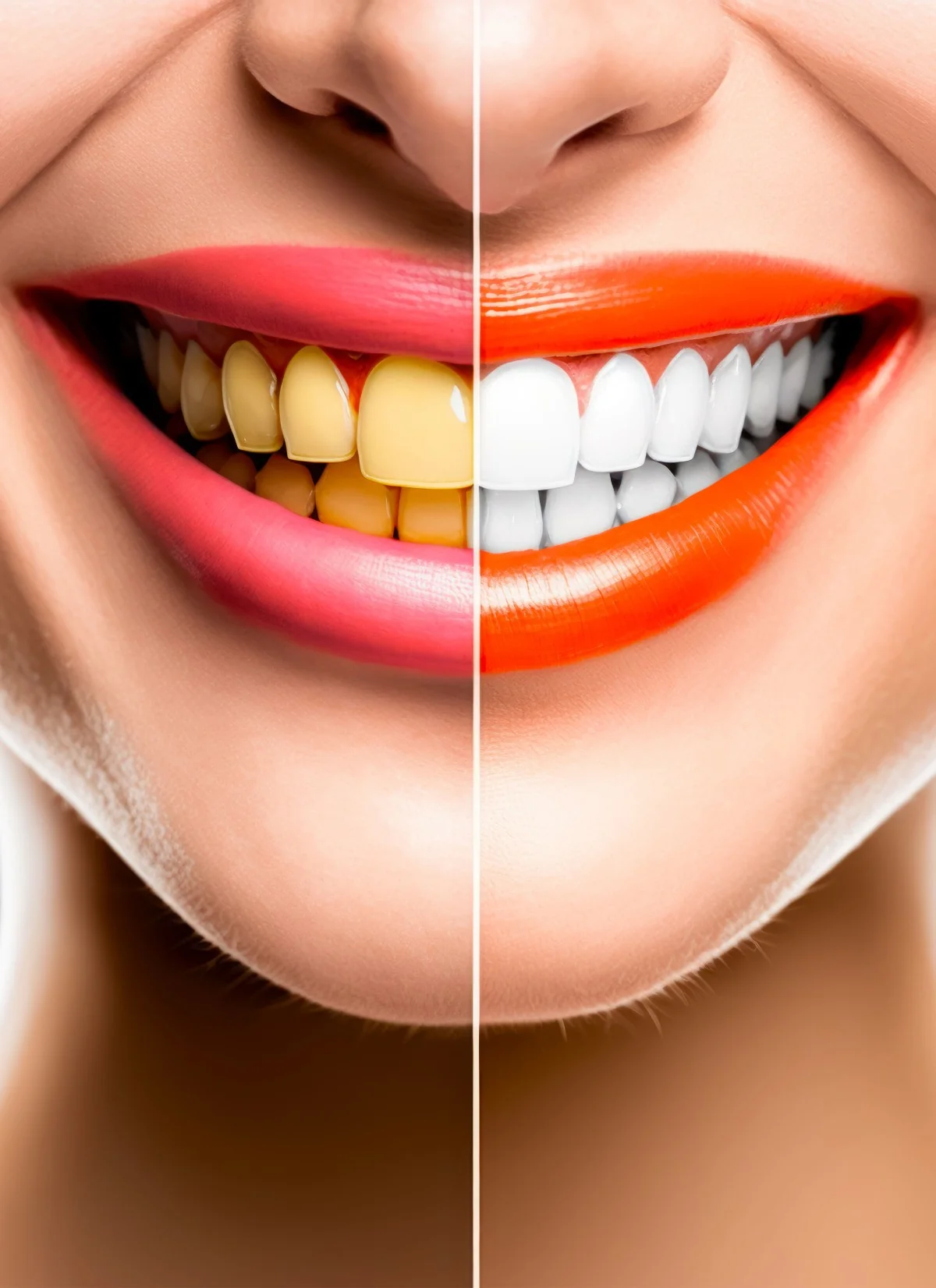
Since healthy and white teeth are the symbol of beauty and health; Teeth whitening is a frequently preferred method and one of the most striking points in the society is the beauty of the mouth and teeth,
Detailed Information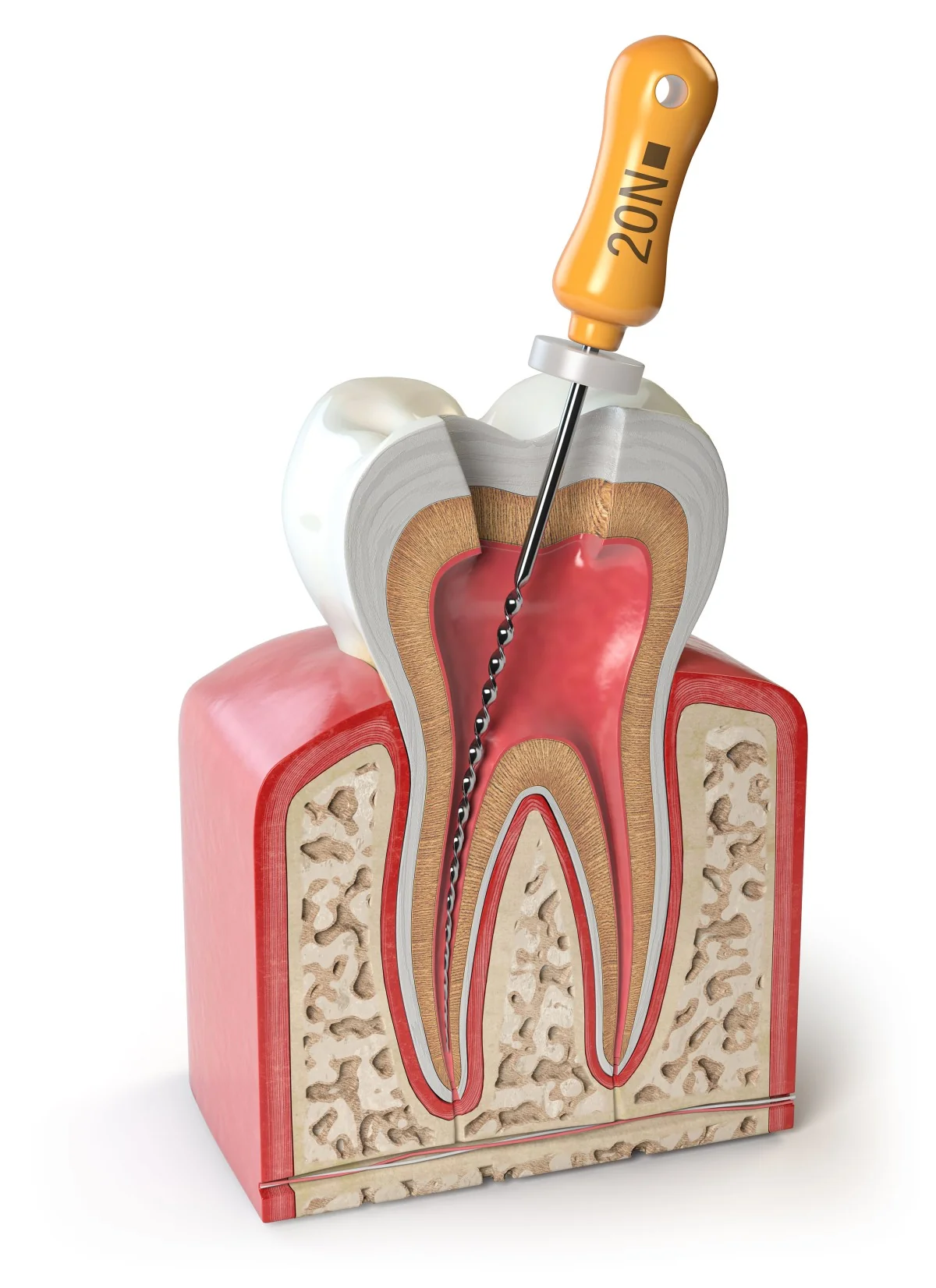
Endodontic, also known as root canal treatment, is applied to the patient’s tooth due to infection or significant decay,
Detailed Information
Dental and dental health is one of the most important issues that people pay attention to.
Detailed Information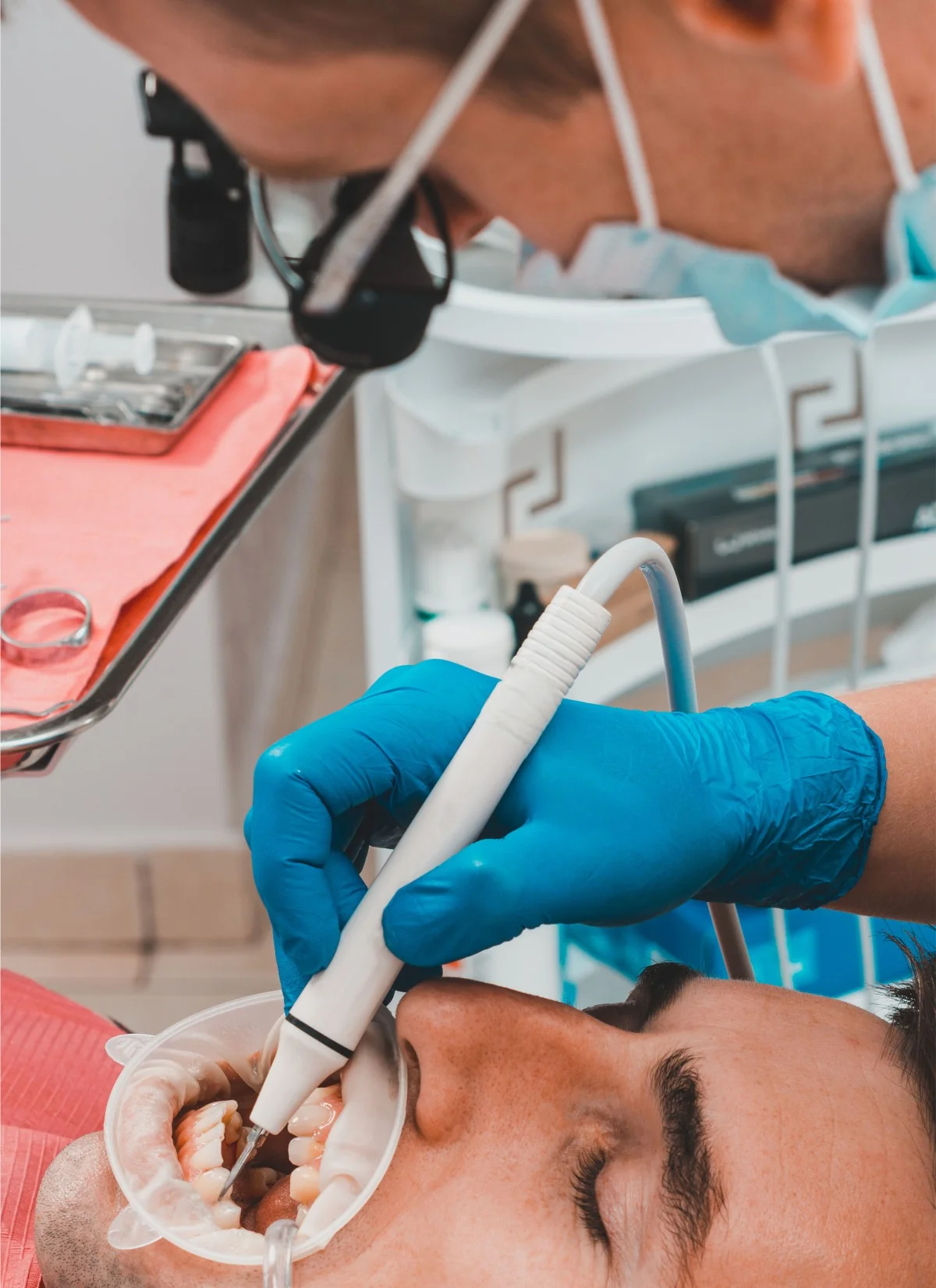
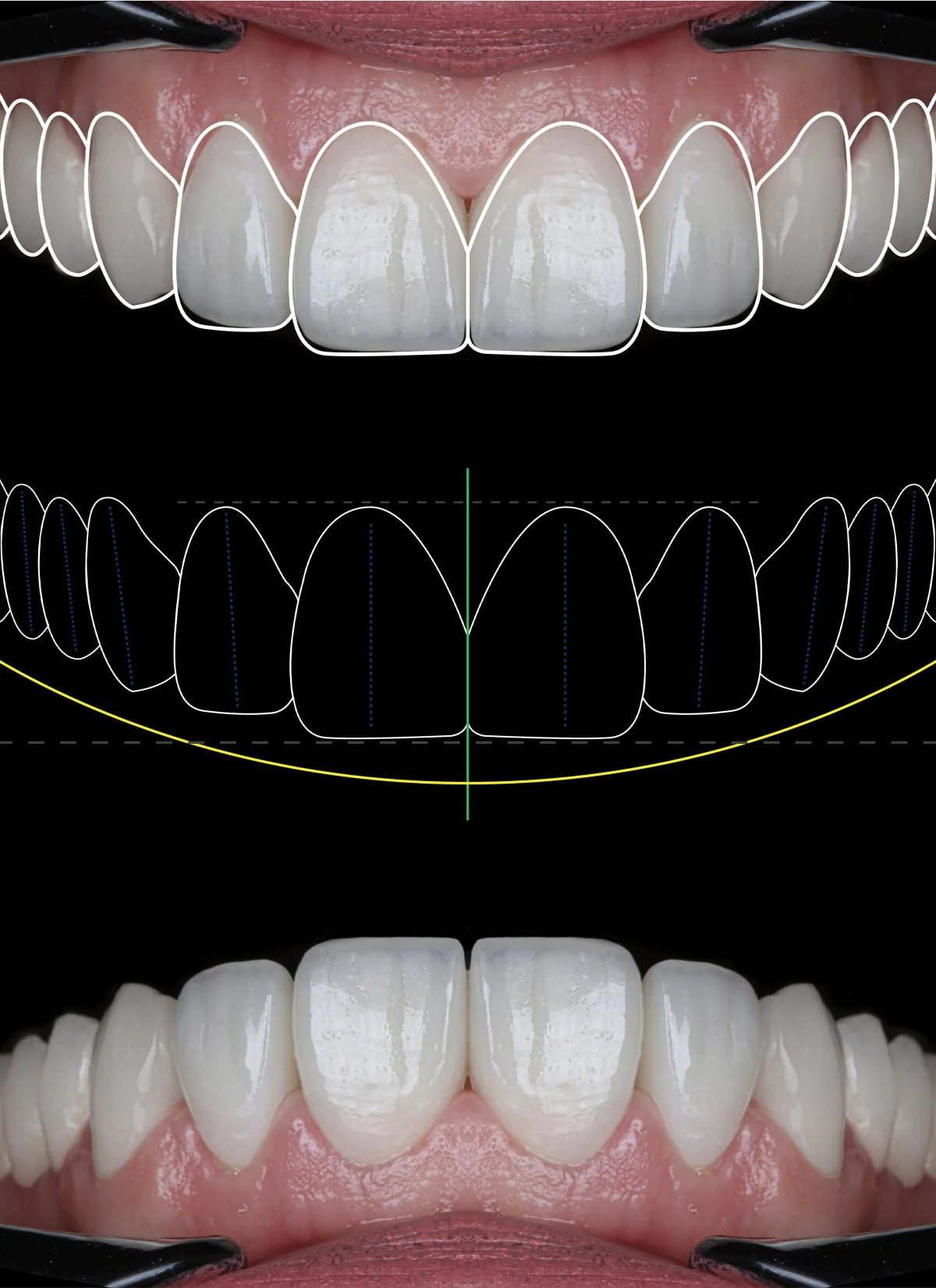
Smile Design makes your dental condition look more aesthetically pleasing and more natural.
Detailed Information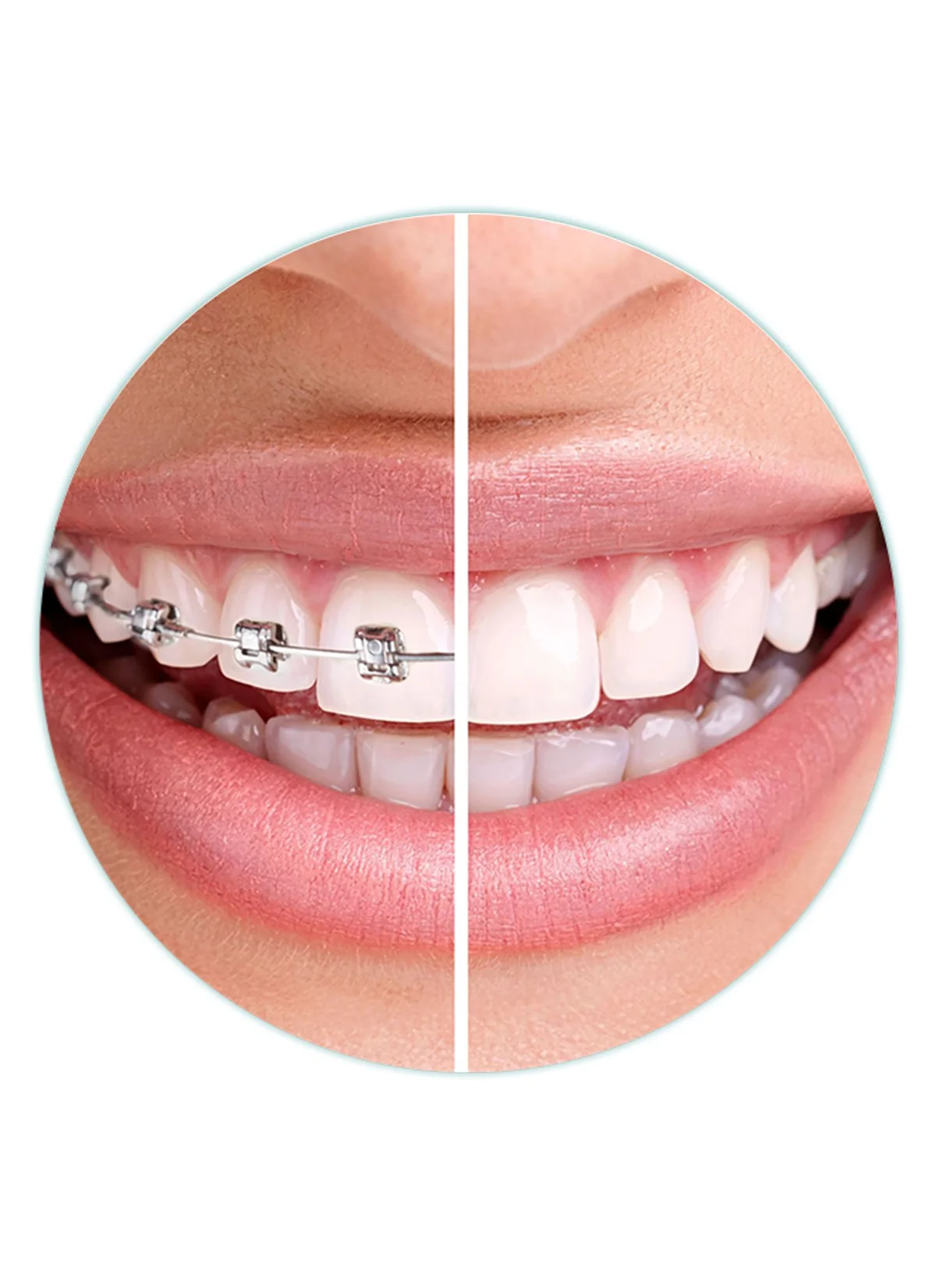
 Health Tourism
 TR
TR 