Key Differences Between an Orthodontist and a Dentist
The primary difference between a dentist and an orthodontist lies in their areas of specialization. Here are some important distinctions between these two professions:
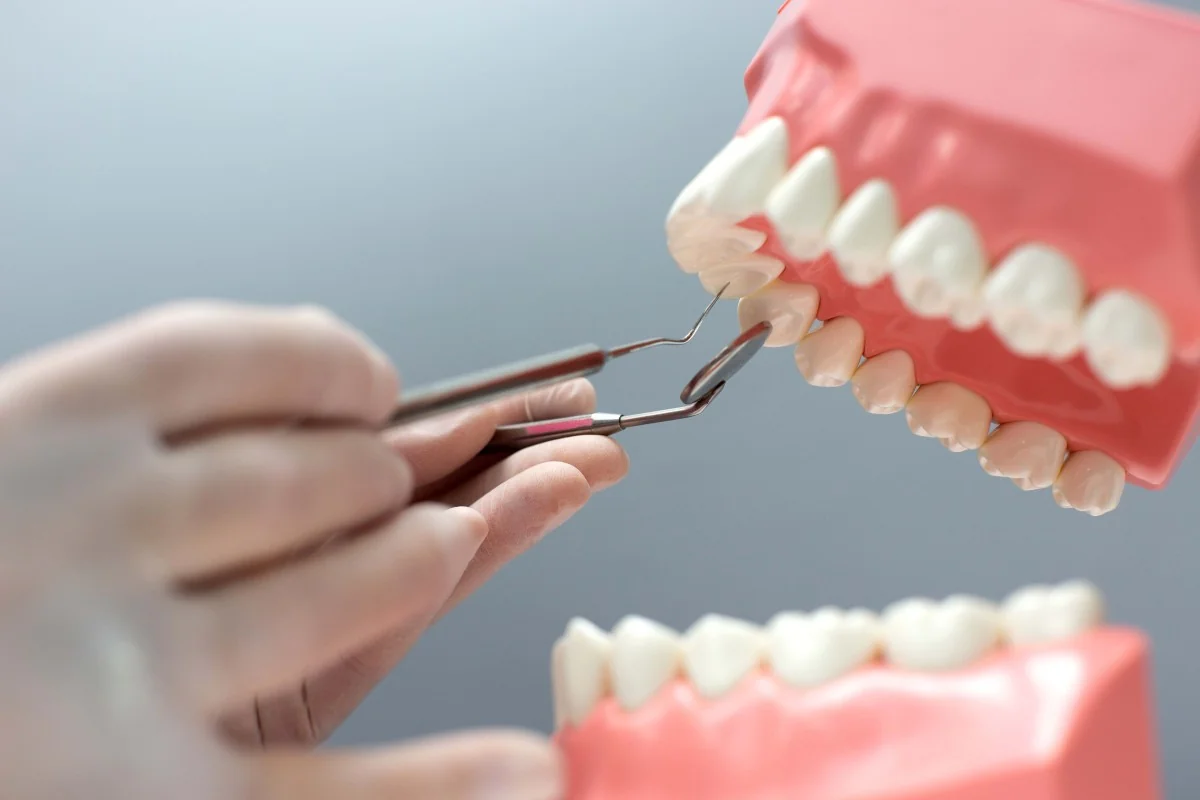
Dentists provide a wide range of services related to oral and dental health, such as treating tooth decay, performing extractions, and providing fillings. Orthodontists, on the other hand, specialize in aligning teeth and correcting jaw structures.
A dentist completes a bachelor's degree followed by passing the required exams to obtain a dental degree. To become an orthodontist, however, further education is required after dental school. This additional training typically takes 2-3 years and involves specialized clinical experience in orthodontics.
While general dentists focus on overall oral and gum health, orthodontists address the alignment of teeth, treatment of jaw issues, and contribute to enhancing facial aesthetics through smile correction.
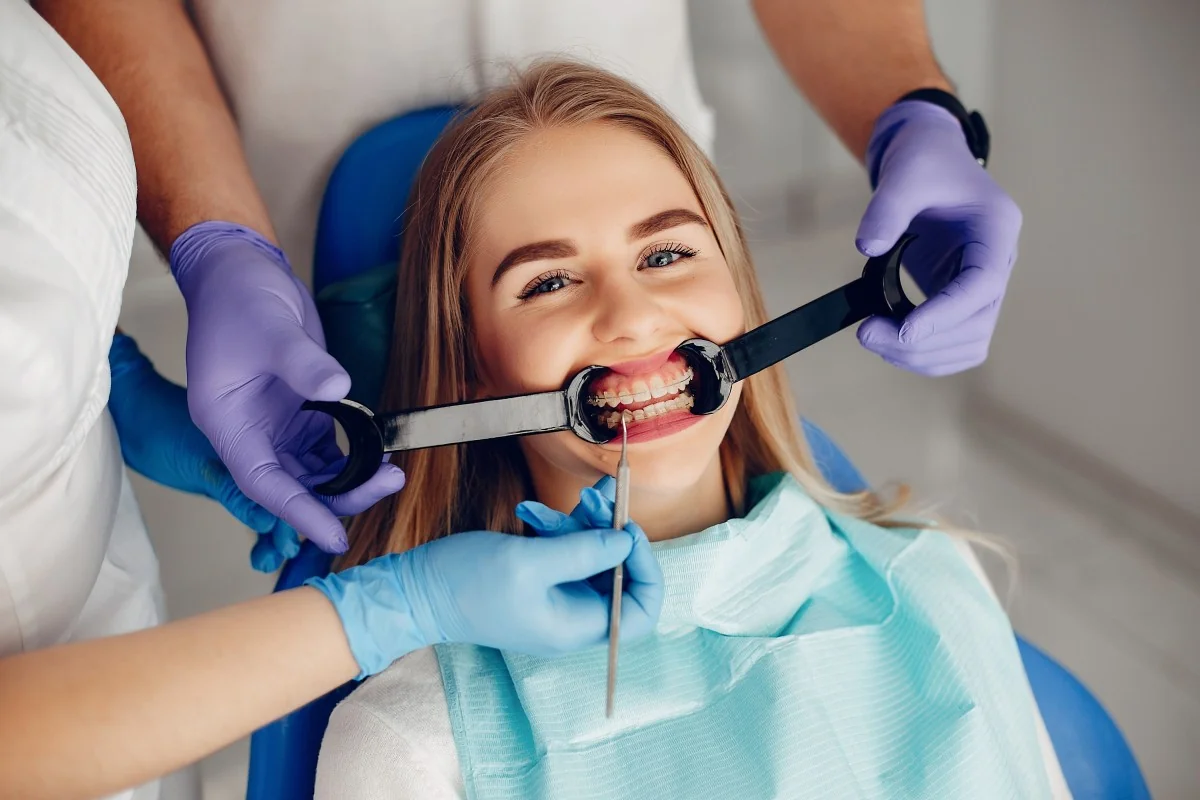
Dentists generally use treatments such as fillings and root canal therapy to address dental issues, whereas orthodontists use braces, clear aligners, and other orthodontic appliances to correct teeth positioning.
Considering these differences, it is important for patients to choose the appropriate specialist based on their needs and treatment requirements.
To schedule an appointment with Dr. Erman CANLI, Orthodontics Specialist at RivaDent Atakum Oral and Dental Health Clinic, you can reach us via our WhatsApp at 0507 944 22 75 or by calling 0 362 502 55 87.
Orthodontics is a branch of dentistry focused on diagnosing, preventing, and treating irregularities in teeth and jaw structures. The term is derived from the Greek words “orthos,” meaning “straight,” and “dontos,” meaning “tooth.” Although it literally translates to "straight teeth," orthodontics also aims to correct jaw development issues.
The main goal of orthodontic treatment is to achieve proper occlusion, which requires teeth that are properly aligned and in harmony with those of the opposite jaw. When proper occlusion is achieved, activities such as biting, chewing, eating, and speaking become easier. Improving oral health can contribute to better overall health and boost the patient's self-confidence.
Orthodontic treatment may be necessary for various dental concerns. For instance, crooked teeth may be difficult to clean, and poor bite alignment may lead to tooth wear. Difficulties with chewing, eating, or speaking may also arise. If left untreated, these issues can lead to more serious problems in the long term. Therefore, it is important to undergo a comprehensive orthodontic examination before more complicated treatments are needed, and begin treatment if necessary.
Orthodontic treatment is no longer limited to children. In fact, a significant portion of orthodontic patients are adults. A healthy bite and aesthetic smile are important at any age. Therefore, age should not be a limiting factor when considering orthodontic treatment. Orthodontic specialists can move teeth and provide a proper bite at any age, as long as the teeth, gum health, and bone structure are suitable. Almost anyone with healthy teeth, gums, and bones can undergo orthodontic treatment.
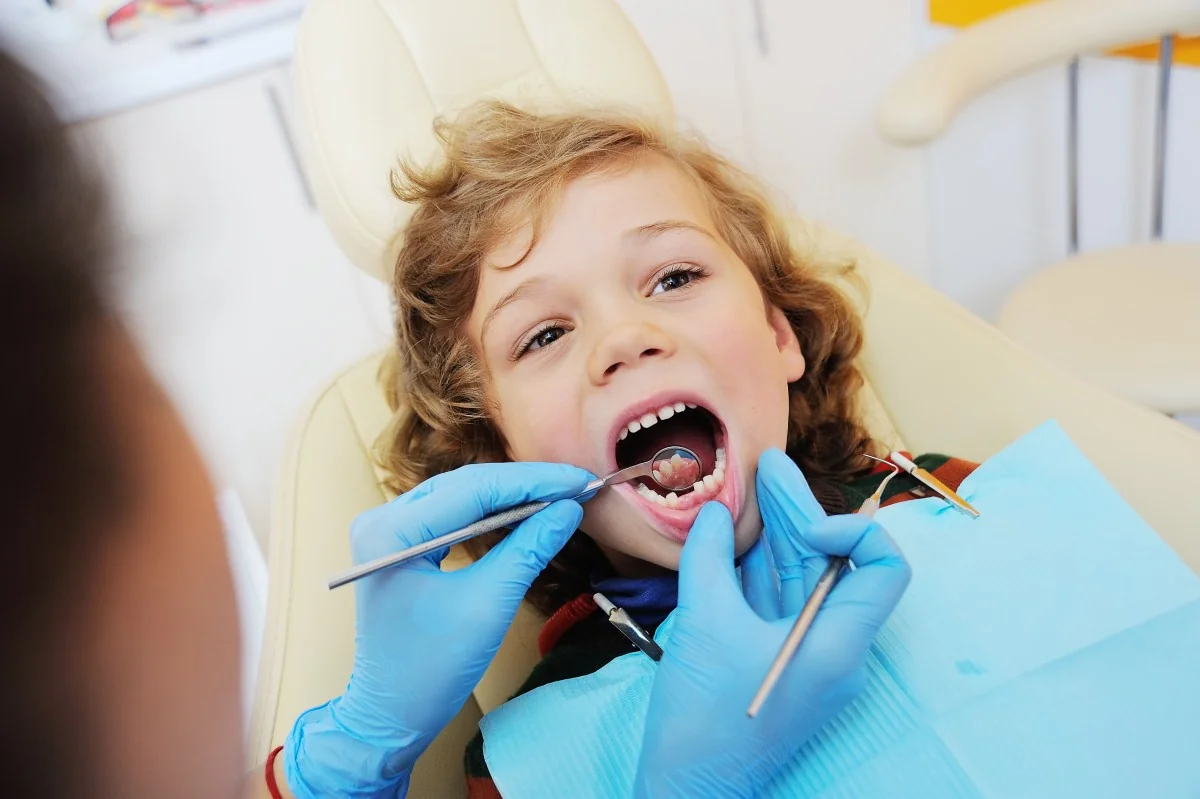
Children should have their first orthodontic examination by age 7, even if there are no apparent dental or gum issues. At this age, even with primary teeth, an orthodontist can detect potential problems with the teeth and jaw development. Early diagnosis allows for easier and more effective treatments, reducing the need for more complex and costly treatments in the future. The optimal age range to begin orthodontic treatment is generally between 9-14 years. This is because the child’s growth is not yet complete, and skeletal issues can be corrected more effectively during this period.
Among the most commonly preferred dental crowns are zirconium and metal-backed porcelain crowns.
Read the ArticleDental treatments, which can be challenging even for adults, can sometimes be even more complex for children
Read the ArticleSmile design is a comprehensive process that improves the appearance of a person's teeth in accordance with their aesthetic expectations.
Read the ArticleOrthodontic treatment can be applied at any age. However, early intervention is crucial for skeletal issues related to the jaw structure. Starting treatment before puberty provides more effective results. Discover the details in our article!
Read the ArticlePulp treatment in baby teeth explains how untreated cavities and trauma can affect the tooth. In this article, you can find information about when pulp treatment is necessary, how it's done, and whether it causes pain.
Read the ArticleGum recession is a common issue where the root surfaces of teeth become exposed. With early diagnosis and proper treatment, it can be prevented. Read our article for more details.
Read the ArticleSmiling increases happiness and reduces stress. Maintaining oral health makes it possible to achieve a brighter smile.
Read the Article Health Tourism
 TR
TR