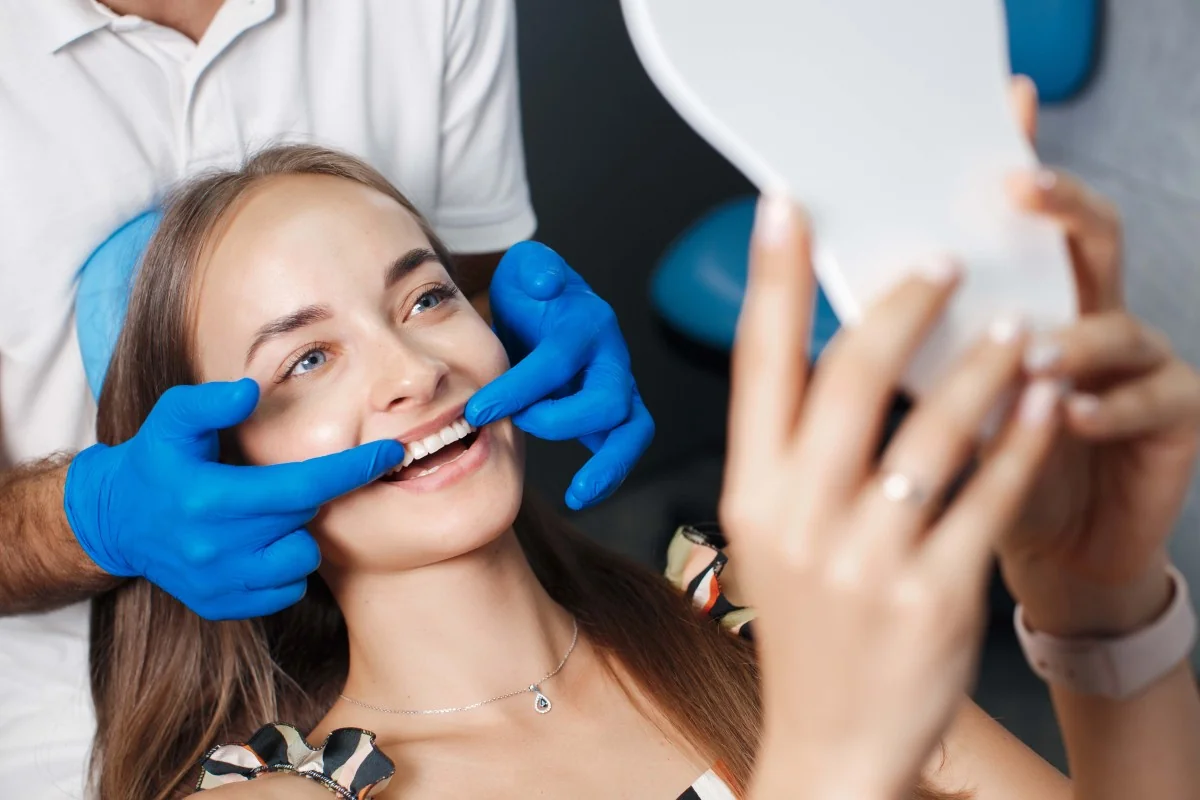
The Role of Digital Intraoral Scans and Visual Analyses in Smile Design
Smile design is a comprehensive process that improves the appearance of a person's teeth in accordance with their aesthetic expectations. The success and personalization of this process are directly related to the technologies used and accurate data analysis. Digital intraoral scans and visual analyses play a crucial role in both aesthetic and functional aspects of smile design. Thanks to these modern methods, treatment planning can be carried out more precisely, quickly, and effectively.
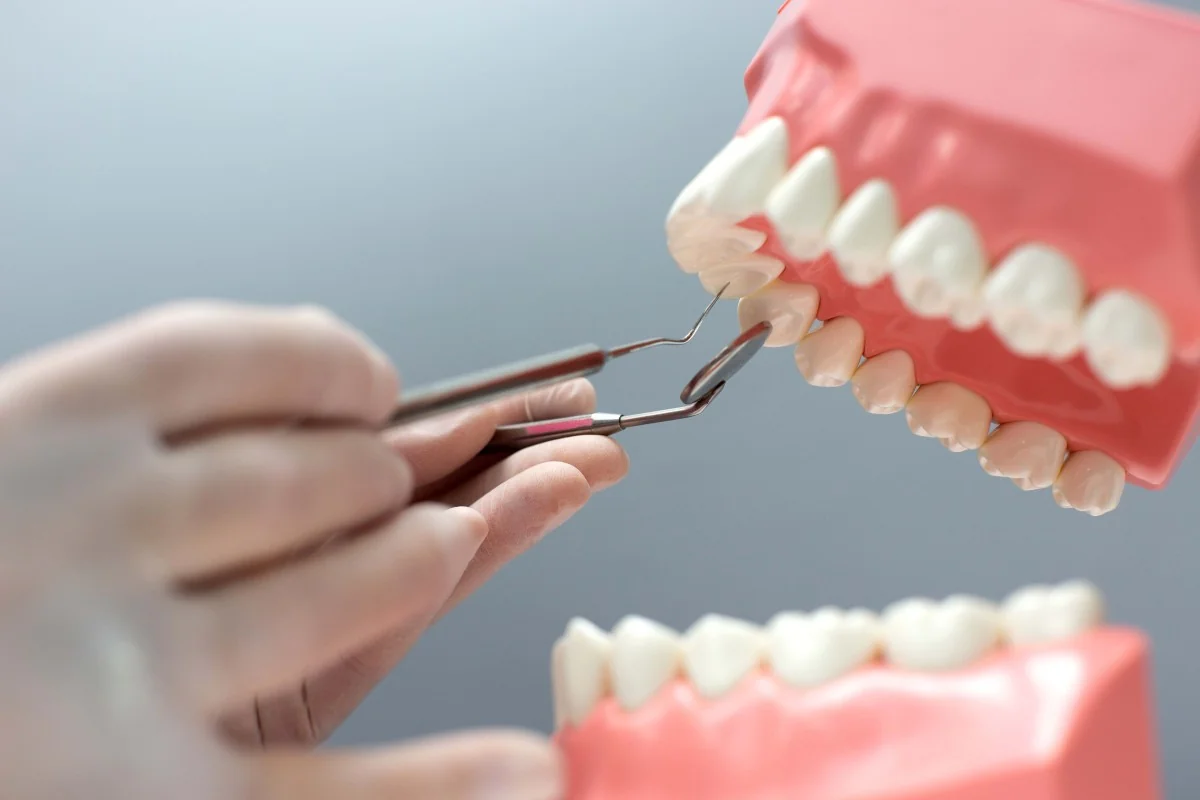
Digital intraoral scans are data collected using advanced technology devices that allow the digital scanning of the oral and dental structures. Unlike traditional impression materials, digital scanners are used to capture these scans, creating a detailed 3D model of the teeth and surrounding tissues.
Visual analyses play a critical role in the smile design process, both in aesthetic assessment and in effective patient communication.
Aesthetic Assessment:
Treatment Planning: The dentist uses visual analyses to determine the ideal form and treatment steps for the smile design.
Patient Communication: Pre- and post-treatment visuals are used to inform the patient about the procedures and ensure transparency throughout the process.
Documentation and Archiving: Visual analyses play an essential role in documenting the treatment process.
During visual analyses, profile shots, close-up images of the teeth, and intraoral photos are taken. These images are analyzed using specialized software for treatment planning.
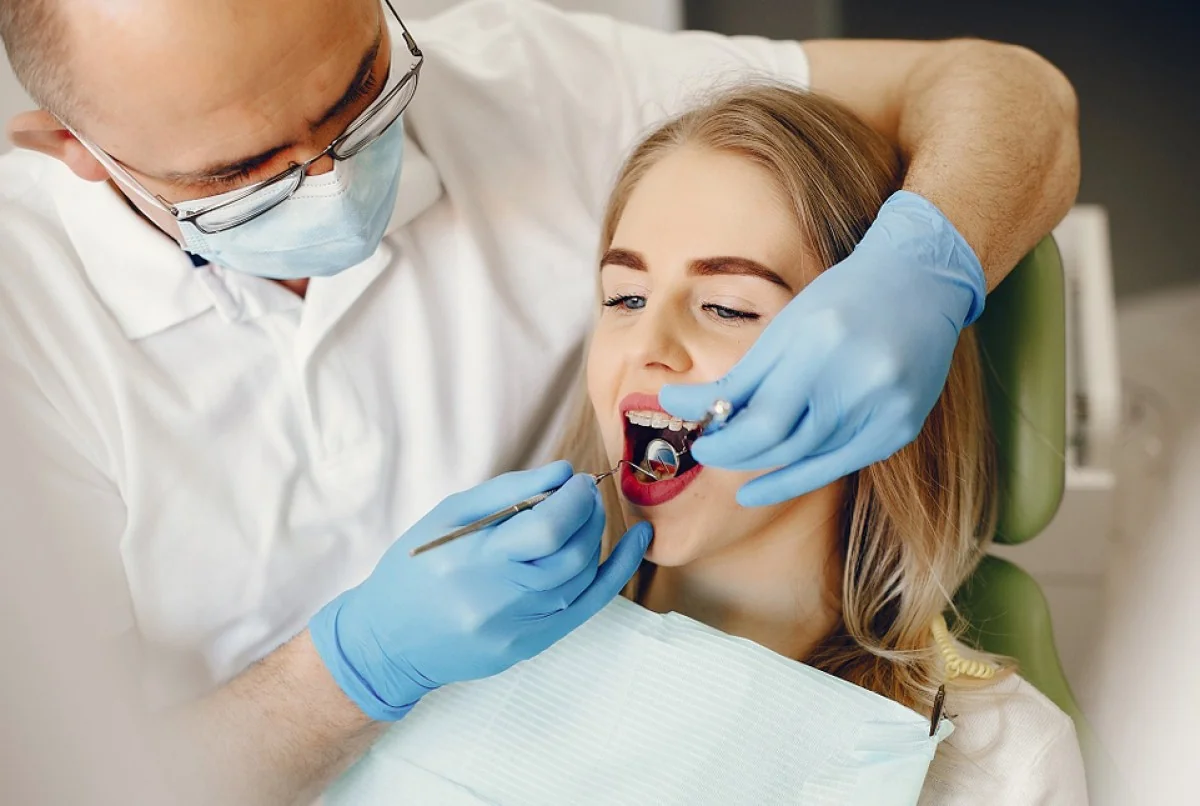
Initial Assessment and Data Collection: The dentist takes intraoral scans and photographs of the patient's mouth. This data is combined with the patient's expectations to create a personalized design plan.
Digital Analysis and Simulation: Digital intraoral scans and visual analyses are processed through specialized software.
Prototype and Trial: If necessary, a temporary prototype is created and tested in the patient's mouth. At this stage, the model derived from digital data can be evaluated before the patient’s final approval.
Treatment and Application: Based on the approved digital design, aesthetic adjustments are made.
Digital intraoral scans and visual analyses play an indispensable role in the smile design process, both aesthetically and functionally. These technologies make the treatment process more precise and patient-friendly while redesigning an individual’s smile.
If you would like to experience a smile design supported by digital technologies, you can contact the nearest dental clinic and take the first step.
Hüseyin Karacabey
Learn about the different areas of expertise of orthodontists and dentists
Read the ArticleAmong the most commonly preferred dental crowns are zirconium and metal-backed porcelain crowns.
Read the ArticleDental treatments, which can be challenging even for adults, can sometimes be even more complex for children
Read the ArticleOrthodontic treatment can be applied at any age. However, early intervention is crucial for skeletal issues related to the jaw structure. Starting treatment before puberty provides more effective results. Discover the details in our article!
Read the ArticlePulp treatment in baby teeth explains how untreated cavities and trauma can affect the tooth. In this article, you can find information about when pulp treatment is necessary, how it's done, and whether it causes pain.
Read the ArticleGum recession is a common issue where the root surfaces of teeth become exposed. With early diagnosis and proper treatment, it can be prevented. Read our article for more details.
Read the ArticleSmiling increases happiness and reduces stress. Maintaining oral health makes it possible to achieve a brighter smile.
Read the Article Health Tourism
 TR
TR