Dental prostheses are artificial teeth used to correct the teeth of people whose natural tooth structure is deteriorated or to complete the missing teeth due to different reasons. Applied dental prostheses not only contribute to the health of the dental tissues, but also provide an aesthetic appearance and allow the teeth to fully fulfill their functions. Today, dental prostheses that can be applied to individuals of all ages, men and women, aim to regain the lost chewing function and regain the lost facial aesthetics.
Among the causes of tooth loss, diseases that occur in the gums that are not treated on time and losses due to accidents take place in the first place. With dental prostheses offered in different types, more aesthetic and functional teeth are gained to replace the lost teeth. Tooth loss causes both aesthetic deterioration and speech and expression disorders. Dental prostheses also provide psychological support to the patient due to the elimination of such problems.
This type of prosthesis has the feature that allows the patient to put on and take off their own prostheses. Removable dentures continue their functions by getting support from the soft tissues in the mouth as well as the teeth that have remained intact. Removable dentures are a type of prosthesis that can be made as many as the number of missing teeth in line with the needs of the patient, as well as in cases where all teeth are missing.
Some patients have prostheses made by taking support from their natural teeth and soft tissues. This type of prosthesis is called “movable partial prosthesis”. In some patients, all natural teeth are lost, and a “full denture” is applied to such patients, which maintains its function with support only from the gums and palate.
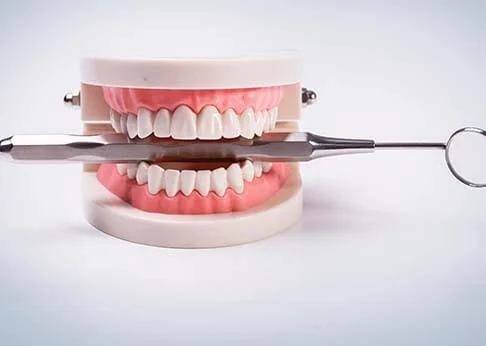
Removable dentures should be cleaned with a soft brush after every meal, and the denture should be kept close to the sink in order to avoid any damage during washing. Keeping such prostheses clean, which does not require cleaning with any toothpaste, allows them to be used in a healthy way for many years.
These types of prostheses, which should be kept in a special container of water when not in use, cause discomfort by emitting bad odors over time if their maintenance is neglected. Although the prosthesis is fully compatible with the mouth, it should not be used 24 hours a day, it should be removed at suitable times and protected in water or between a damp towels.
While fixed prostheses, which are the most preferred type of prosthesis in tooth deficiencies, are made, some teeth in the mouth should be reduced in order to support the prosthesis. Although some patients are concerned about this procedure, considering the many advantages of fixed prostheses, it will be understood that this concern is unfounded. Thanks to fixed prostheses,
Fixed prostheses, like other prosthesis types, are offered for use in different types according to the patient’s needs, aesthetic expectations and economic conditions.
Among the fixed prosthesis types,
As with removable dentures, continuous and regular maintenance is required to prolong the life of the prosthesis. If a crown and bridge prosthesis has been applied to a patient with one or more missing teeth, careful use, care and cleaning are mandatory in order to prolong the life of the prosthesis and the teeth under it. No matter what material the prostheses used in the mouth are made of, it is a foreign substance after all. For this reason, oral care should be considered in order to protect oral and dental health, and to protect the teeth close to the crown and bridge. Fixed denture care should be done by brushing 3 times a day, cleaning the gaps with the help of dental floss slowly and correctly from the gums to the teeth.
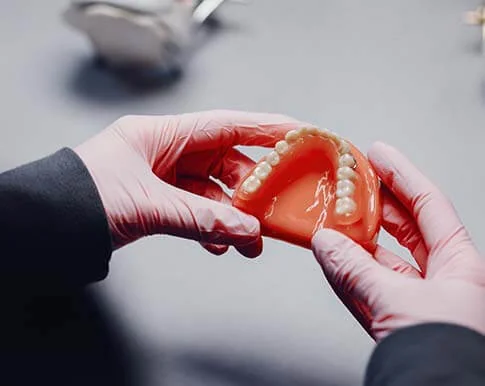
Dental prosthesis is made for the purpose of correcting the tooth structure and eliminating aesthetic concerns, which adversely affect the quality of life of people. For this reason, such treatment costs should be ignored to some extent. Dental prostheses have different prices according to the socioeconomic structures of the people, their expectations from the prosthesis and their needs.
Another factor affecting the prices of the prosthesis is the number of teeth to be made prosthesis and which material the prosthesis will be made of. In order to provide prosthesis production at the most affordable prices, an appointment should be made with a specialist dentist, and the material and price to be used should be determined after mutual consultation. Acting in the direction of the recommendations given by the physician after the first examination provides benefits for the use of prostheses for many years without any problems.
Teeth are extremely important in terms of their contribution to the aesthetic appearance of the face, smile aesthetics and nutrition. Dental prostheses, which are made to eliminate the aesthetic and psychological concerns caused by lost teeth, are made in different materials and shapes according to the needs of the patients. Although many prosthesis options are offered thanks to the advancing medical technology, dental implants are attracting attention as a new generation prosthesis. Implant applications, called the All on Four technique, are preferred because they are easy to apply as well as giving the patient’s teeth a natural appearance. Thanks to this technique, it is possible to fix teeth on four dental implants in edentulous patients.
The All on Four technique, which has been successfully applied for many years, provides significant advantages to patients with dental problems. Among the advantages of this highly reliable dental prosthesis technique,
Dental prostheses can be used for a long time if they are cleaned regularly. In cases where cleaning is not done regularly, food residues, tartar and bacteria formation occur around the mouth and teeth. In addition to these, problems such as heavy odors, aesthetic losses in appearance and smile, infection in the mouth, destruction of the tissue under the prosthesis arise.
The most effective method of keeping the prosthesis clean at all times is to brush it at least 3 times a day and to soak it in sterile chemical liquids several times a week. Denture cleaning, which should be done on a daily basis, starts with meticulous washing with water after each meal. In addition, brushing the dentures with a soft brush before going to bed at night is very important to prevent bacteria and plaque formation on the denture.
All surfaces of the prosthesis should be cleaned with the same care, if possible, all surfaces should be touched by using angled brushes. Another method of keeping dentures constantly clean is to keep them in water in a closed container when they are not needed. While it may be sufficient to remove the teeth and rinse the mouth thoroughly in total dentures, it is necessary to use some cleaning tools in the cleaning of removable dentures. The tools used should also be cleaned with effervescent tablets that can be placed in water. Prostheses should be cleaned using a prosthetic brush as much as possible, otherwise all surfaces should be examined with the help of a soft toothbrush.
Typically, you won't feel pain during dental treatment. Local anesthesia is applied to numb the area before the procedure. After the anesthesia wears off, you might experience mild soreness, but this is temporary.
Teeth whitening is completely safe when done with proper techniques and under the supervision of a qualified dentist. It does not harm your oral health. However, some temporary sensitivity may occur.
Teeth cleaning is very important for preventing gum diseases and maintaining oral health. Tartar buildup can lead to gum inflammation, so regular dental cleanings are recommended.
A dental implant is a titanium post placed in the jawbone to replace a lost tooth. It serves as a stable foundation for a dental crown, providing functionality similar to natural teeth.
The duration of orthodontic treatment varies based on individual needs, but it typically lasts between 1 to 3 years. The treatment time depends on the condition of the teeth and how well you follow the treatment plan.
Children's dental treatment is personalized according to their age and development. Regular check-ups and dental cleanings are essential for maintaining their oral health and preventing future issues.
Orthodontic treatment is usually recommended for children between the ages of 9 and 14, when their growth phase is not complete. However, adults can also undergo orthodontic treatment, and treatment can be effective even after the growth period.
Tooth decay is treated depending on its severity. Superficial cavities are treated with fillings, while deeper cavities may require root canal treatment.
Dental prostheses, such as crowns or bridges, are used to replace missing teeth. They can be recommended for patients with tooth loss to restore both function and aesthetics.
It is recommended to visit the dentist at least twice a year for regular check-ups. Regular visits help with early detection of potential issues and are essential for maintaining optimal oral health.
Gum bleeding is typically a sign of gum inflammation and should not be ignored. You should visit a dentist if you experience gum bleeding to address any potential oral health issues.
The recovery process depends on the type of treatment. For procedures like fillings and cleanings, recovery is usually immediate. However, for treatments like implants or tooth extractions, recovery may take a few days.
Urgent dental treatments can be performed during pregnancy. However, it is generally best to schedule dental procedures during the second trimester (3-6 months). Be sure to discuss anesthesia and medication use with your dentist.
Tooth sensitivity is often caused by enamel erosion or gum recession. Your dentist may recommend treatments to reduce sensitivity, and using sensitivity-reducing toothpaste can also help alleviate discomfort.
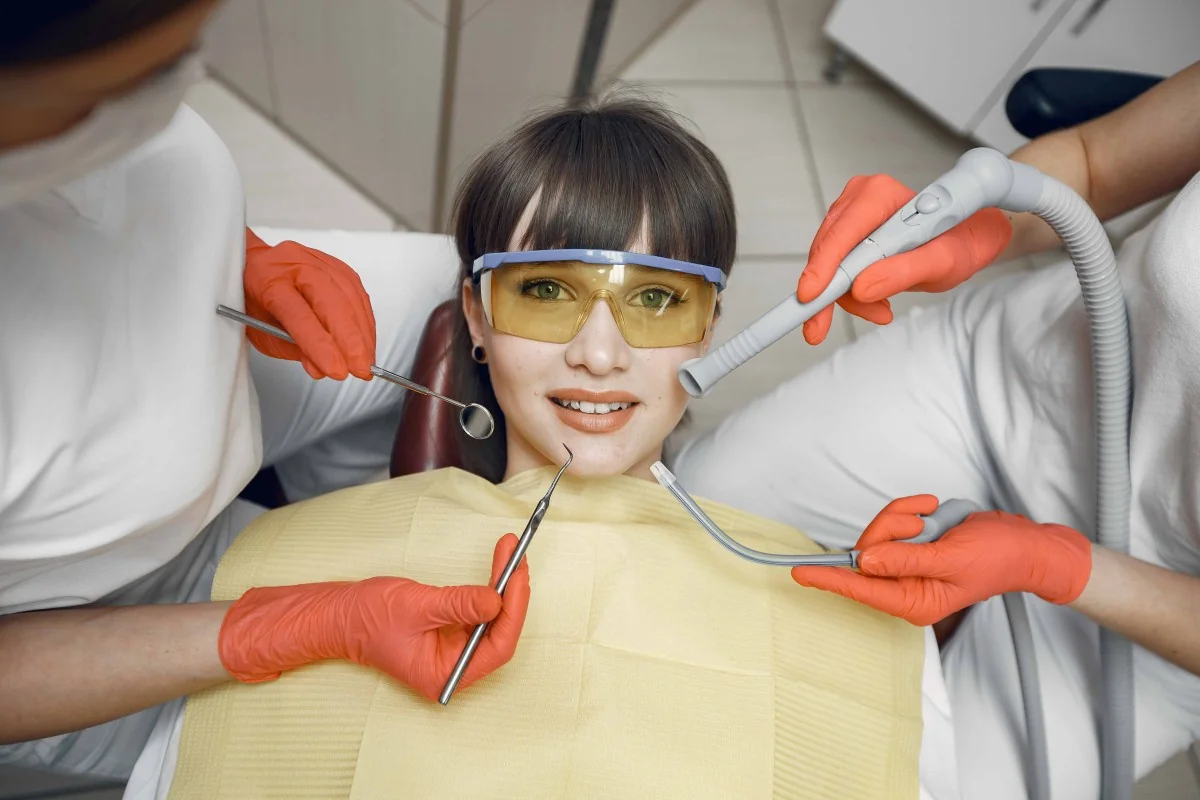
Oral, Dental and Maxillofacial Surgery; It is the department of Dentistry that deals with the diagnosis and treatment of jaw and jaw joint disorders, oral soft tissues and all kinds of dental disorders.
Detailed Information
Department of Restorative Dentistry: Diagnoses the structural disorders that occur due to developmental or acquired disorders in dental tissues in its specialty
Detailed Information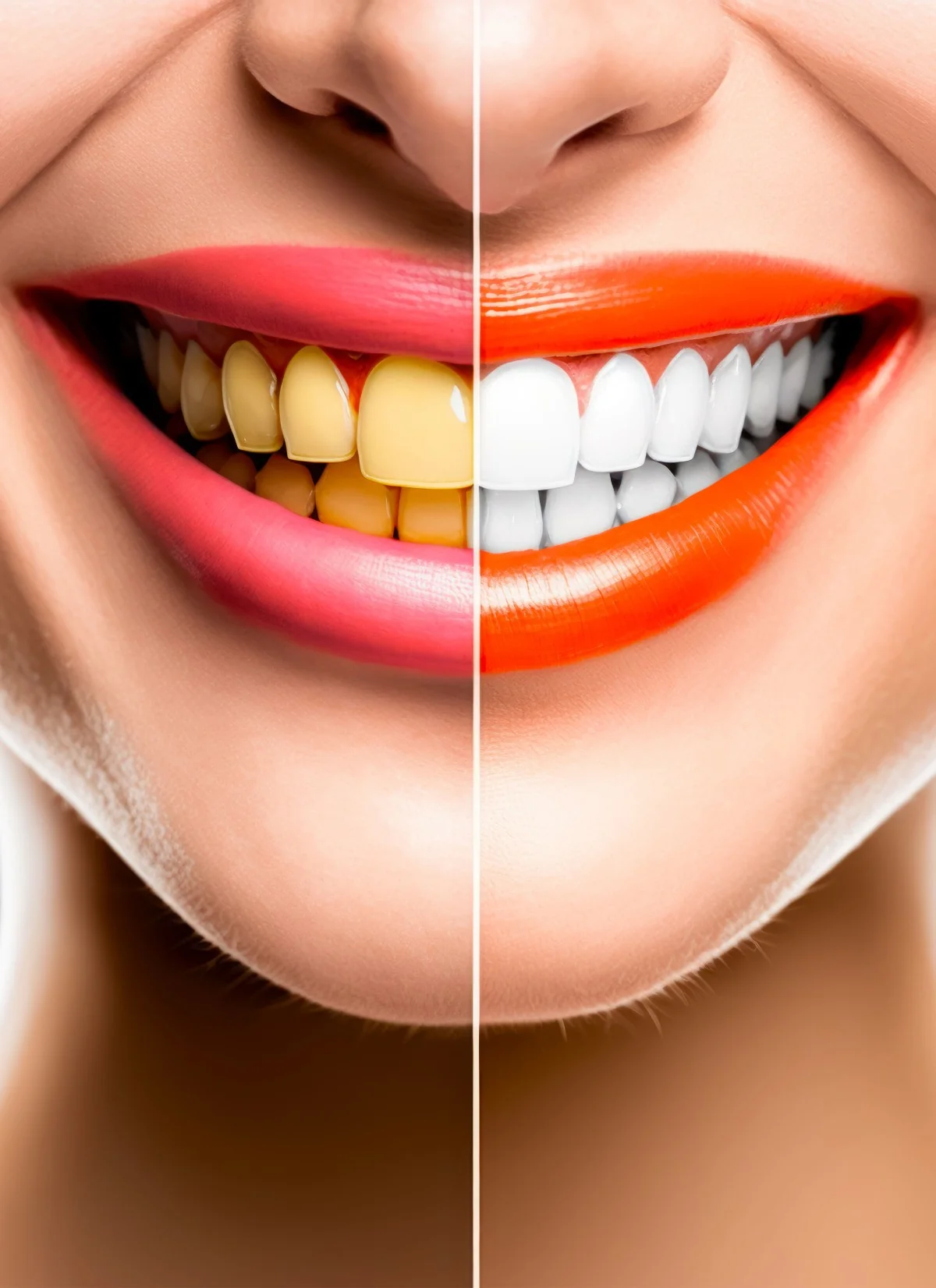
Since healthy and white teeth are the symbol of beauty and health; Teeth whitening is a frequently preferred method and one of the most striking points in the society is the beauty of the mouth and teeth,
Detailed Information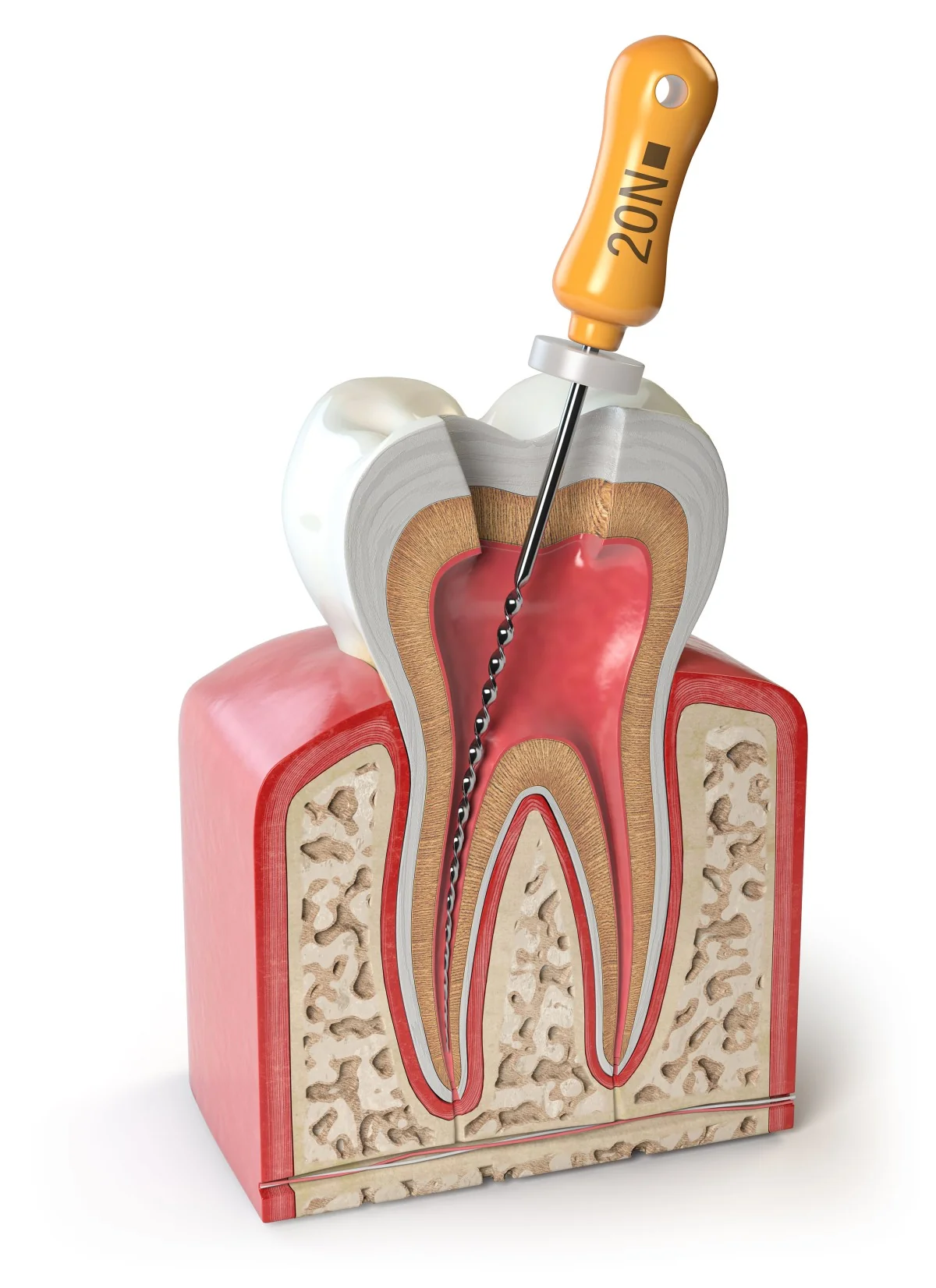
Endodontic, also known as root canal treatment, is applied to the patient’s tooth due to infection or significant decay,
Detailed Information
Dental and dental health is one of the most important issues that people pay attention to.
Detailed Information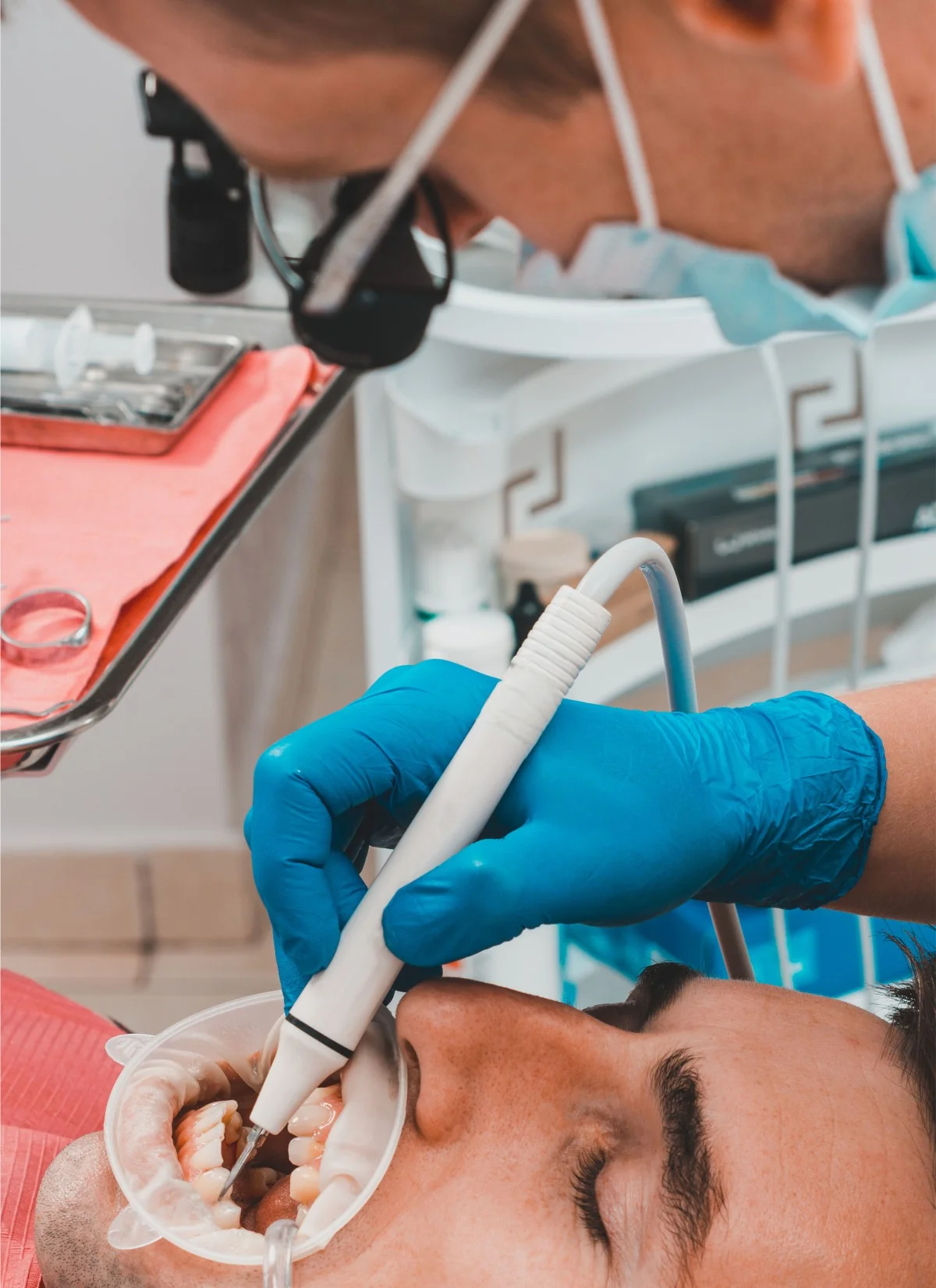
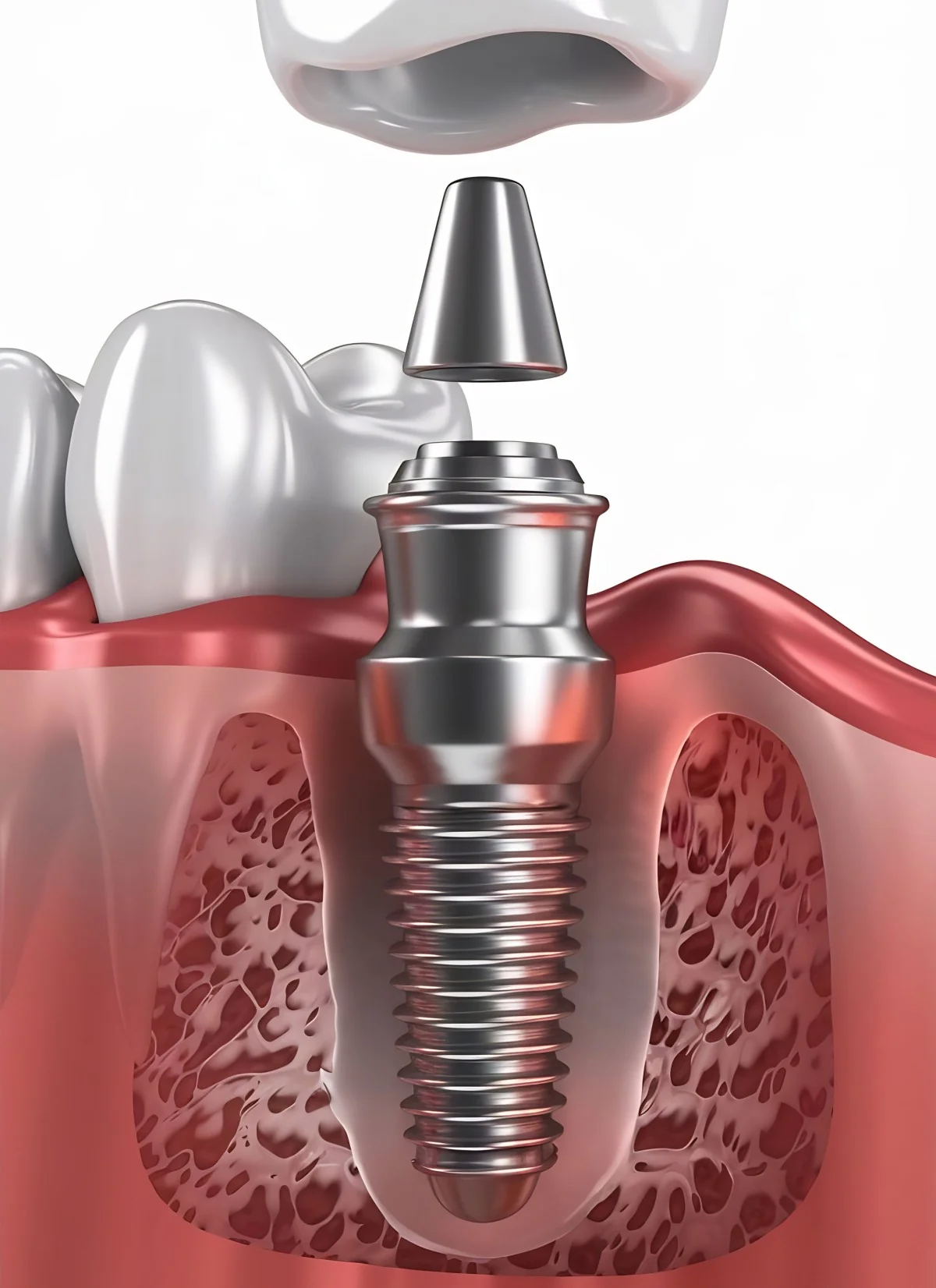
Dental implants are screws made of titanium that imitate tooth roots. It provides support to artificial teeth such as implants,
Detailed Information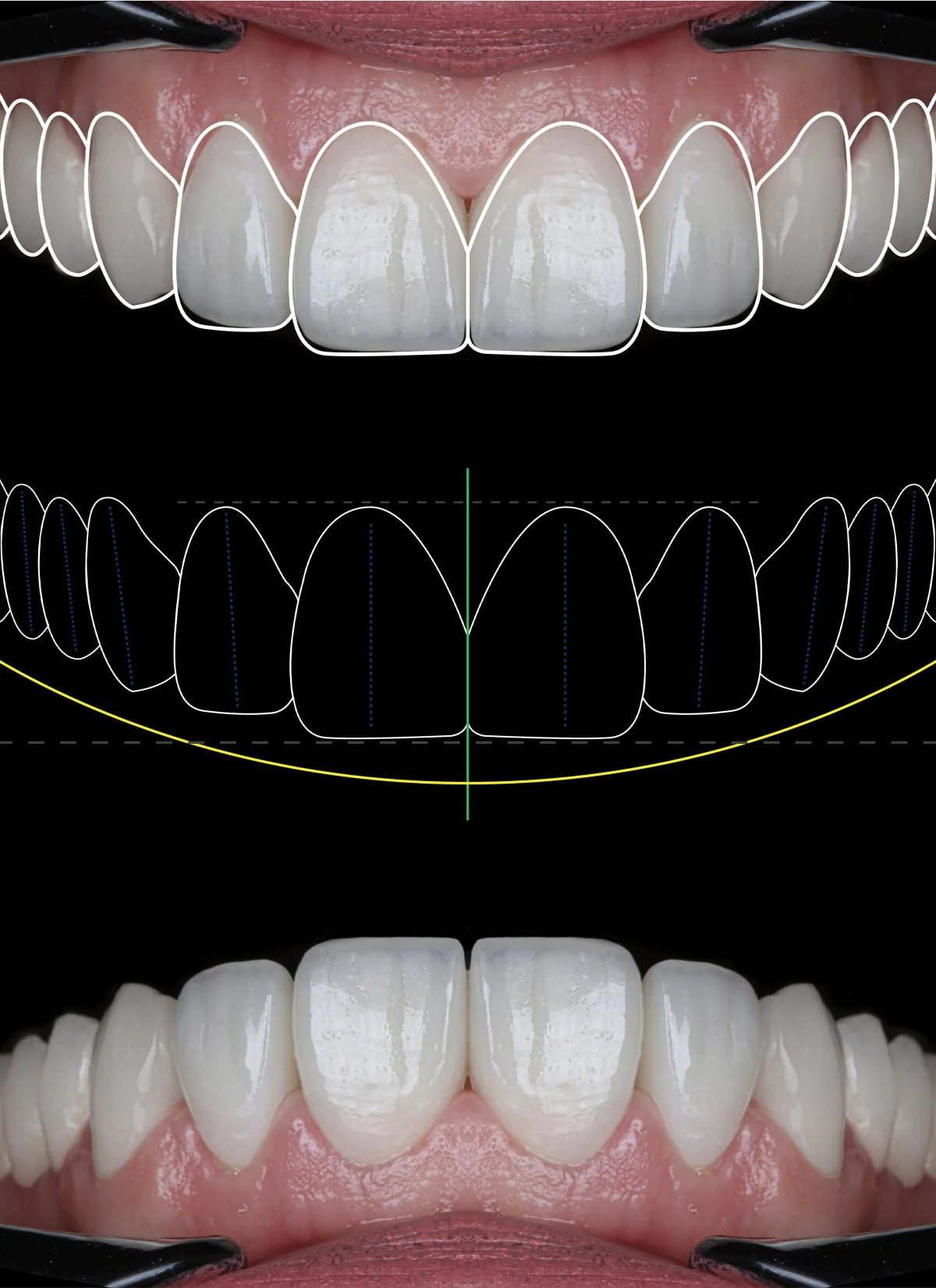
Smile Design makes your dental condition look more aesthetically pleasing and more natural.
Detailed Information
 Health Tourism
 TR
TR 