Orthodontics is a branch of dentistry concerned with the diagnosis, treatment, and prevention of jaw, dental, and facial disorders. This field supports jaw development in young children to ensure teeth are in correct positions, and in adults, it corrects dental crowding and irregularities in jaw alignment.
Orthodontic treatment provides significant aesthetic and functional benefits. Through this treatment, you can achieve a healthier oral structure, a more impressive appearance, and teeth that last longer. Additionally, for congenital or acquired jaw and facial disorders, orthodontics collaborates with various branches of medicine and dentistry.
Orthodontic treatments should only be performed by specialist doctors with the title of Orthodontist. This specialty requires at least 4 years of orthodontic specialist training after completing dental education. An orthodontist has in-depth knowledge of orthodontic disorders and treatment methods, being a specialist in this area of dentistry.
An Orthodontist is the title given to a dentist who has received specialized training in orthodontic disorders and treatments. Orthodontists receive at least 4 years of orthodontic specialist training after 5 years of dental education. This process includes preparing a specialty thesis and passing various exams. Orthodontists are experts who ensure the aesthetic and functional harmony of teeth, treat jaw and dental disorders, and provide long-term results.
Orthodontic treatment is performed using fixed or removable appliances applied to the teeth or jawbone. These appliances are specifically selected for the treatment and determined according to its needs. The process varies depending on the treatment plan and the type of disorder.
Fixed Orthodontic Appliances: Typically uses brackets and wires that are fixed to the teeth. With this type of appliance, teeth are gradually guided into correct positions.
Removable Orthodontic Appliances: These appliances can be put on and taken off by the patient. Used for correcting various tooth movements and bite problems.
The treatment process varies depending on the patient's age and the condition of their teeth and jaw. Treatment planning is done with a detailed examination and necessary X-rays.
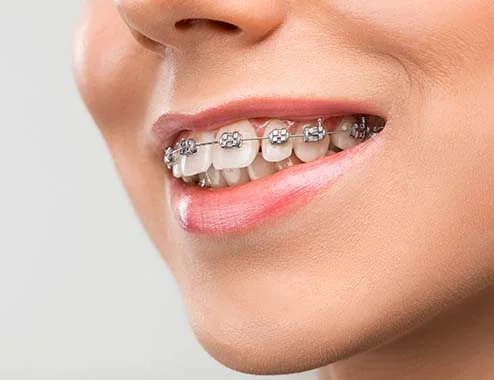
Removable appliances are usually used during the mixed dentition period between ages 7–12. These appliances support jaw development and help permanent teeth erupt correctly.
Metal Brackets: The most frequently used orthodontic appliances. Attached one by one to the teeth, they move the teeth through orthodontic wires passing between them.
Clear Brackets: Made from tooth-colored or completely transparent material. They work on the same principle as metal brackets but are less visible. These brackets require more care and attention, so they are generally preferred in adults.
Lingual Brackets: Fixed metal brackets that attach to the inner surface of the teeth. Their most important feature is that they are not visible from the outside. Treatment time may be longer compared to front-mounted brackets due to technical differences.
In wire-free treatments, a series of transparent aligners are used to correct dental crowding. Since these aligners are not visible from the outside, they are preferred for aesthetic reasons. Teeth are corrected step by step in a digital environment. The aligners are worn continuously except when eating and brushing teeth. However, this treatment can only be applied to patients with dental crowding; it is not suitable for jaw-facial system disorders.
Many patients consult an orthodontist due to aesthetic concerns. However, dental crowding is not just an aesthetic problem — it can also lead to various health problems. Malocclusion (bite disorders) can cause chewing and speech difficulties, and improper tooth alignment increases the risk of wear and decay.
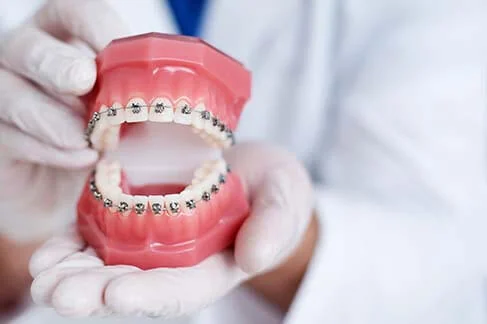
Especially in children and adults with a protruding upper jaw, traumas (such as falls or ball strikes) can more severely affect the front teeth, leading to tooth loss. Additionally, excessive spacing between the upper and lower front teeth can cause difficulty with sound pronunciation, leading to speech disorders.
Due to jaw incompatibility, teeth may not find enough room and remain impacted. Impacted teeth can erode the roots of neighboring teeth or lead to cyst formation around them, causing pathological consequences.
When orthodontic treatment brings a child's teeth and jaw structure to ideal condition, the risk of developing dental and jaw diseases throughout life decreases. A beautiful smile and straight teeth boost self-confidence and play an important role in social life.
In children, baby teeth begin to emerge at 6 months and are complete around age 2.5. Permanent teeth begin to emerge at ages 6–7 and continue until age 12. As permanent teeth erupt, orthodontic examination is important for early diagnosis of potential problems. For jaw disorders, early intervention at ages 7–8 may be necessary. In adults, teeth can always be moved, but treatment time increases and tolerance may decrease with age.
The duration of orthodontic treatment varies depending on the type of treatment and individual conditions. In the treatment of dental and jaw disorders, successful results are generally achieved within 6–24 months. The treatment duration depends on the care taken during treatment and the health of teeth and gums throughout the process.
During orthodontic treatment, check-ups are generally more frequent at the beginning and are performed on average every 4–6 weeks.
There is generally no pain felt during the attachment of brackets to teeth. However, since arch wires will be changed and new forces applied throughout treatment, it is normal to feel mild short-term sensitivity after each check-up.

Bracket care during orthodontic treatment is very important for protecting dental and oral health. Key points to pay attention to:
Brushing After Meals: To prevent food particle and bacterial plaque buildup around brackets, teeth must be brushed after every meal. After each brushing, check in the mirror that the area around the brackets is sufficiently clean.
Interdental Cleaning: In addition to brushing, use dental floss or interdental brushes once a day in the evenings to clean between brackets and teeth. This helps prevent plaque buildup and potential gum diseases.
Dental and Gum Check-ups: During treatment, teeth and gums must be checked every 6 months. Professional care when needed is important for the healthy progression of treatment.
Several important considerations contribute to a successful orthodontic treatment process:
Patient-Doctor-Family Harmony: One of the most important elements is the harmony of the Patient-Doctor-Family triangle. Patients should comply with scheduled appointments and follow the doctor's recommendations.
Dental and Oral Care: Oral care is the most important factor directly affecting treatment success. The health of teeth and gums has a great impact on treatment duration and outcomes.
Avoiding Hard Foods: Biting into hard foods such as apples and carrots can damage brackets. Cut such foods into small pieces. Also avoid biting directly into sandwiches or burgers.
Nuts and Stone Fruits: Hard nuts such as hazelnuts and walnuts, and stone fruits such as cherries, plums, and olives eaten without removing the pit can damage brackets. Consume such foods carefully.
Orthodontic treatment can be applied at any age without restriction. Age is not an important factor for correcting dental crowding. As long as the bones surrounding the teeth are healthy, orthodontic treatment can be performed at any age.
Orthodontic treatment, with the right approach and regular care, allows you to achieve a healthy and aesthetic smile at any age.
Typically, you won't feel pain during dental treatment. Local anesthesia is applied to numb the area before the procedure. After the anesthesia wears off, you might experience mild soreness, but this is temporary.
Teeth whitening is completely safe when done with proper techniques and under the supervision of a qualified dentist. It does not harm your oral health. However, some temporary sensitivity may occur.
Teeth cleaning is very important for preventing gum diseases and maintaining oral health. Tartar buildup can lead to gum inflammation, so regular dental cleanings are recommended.
A dental implant is a titanium post placed in the jawbone to replace a lost tooth. It serves as a stable foundation for a dental crown, providing functionality similar to natural teeth.
The duration of orthodontic treatment varies based on individual needs, but it typically lasts between 1 to 3 years. The treatment time depends on the condition of the teeth and how well you follow the treatment plan.
Children's dental treatment is personalized according to their age and development. Regular check-ups and dental cleanings are essential for maintaining their oral health and preventing future issues.
Orthodontic treatment is usually recommended for children between the ages of 9 and 14, when their growth phase is not complete. However, adults can also undergo orthodontic treatment, and treatment can be effective even after the growth period.
Tooth decay is treated depending on its severity. Superficial cavities are treated with fillings, while deeper cavities may require root canal treatment.
Dental prostheses, such as crowns or bridges, are used to replace missing teeth. They can be recommended for patients with tooth loss to restore both function and aesthetics.
It is recommended to visit the dentist at least twice a year for regular check-ups. Regular visits help with early detection of potential issues and are essential for maintaining optimal oral health.
Gum bleeding is typically a sign of gum inflammation and should not be ignored. You should visit a dentist if you experience gum bleeding to address any potential oral health issues.
The recovery process depends on the type of treatment. For procedures like fillings and cleanings, recovery is usually immediate. However, for treatments like implants or tooth extractions, recovery may take a few days.
Urgent dental treatments can be performed during pregnancy. However, it is generally best to schedule dental procedures during the second trimester (3-6 months). Be sure to discuss anesthesia and medication use with your dentist.
Tooth sensitivity is often caused by enamel erosion or gum recession. Your dentist may recommend treatments to reduce sensitivity, and using sensitivity-reducing toothpaste can also help alleviate discomfort.
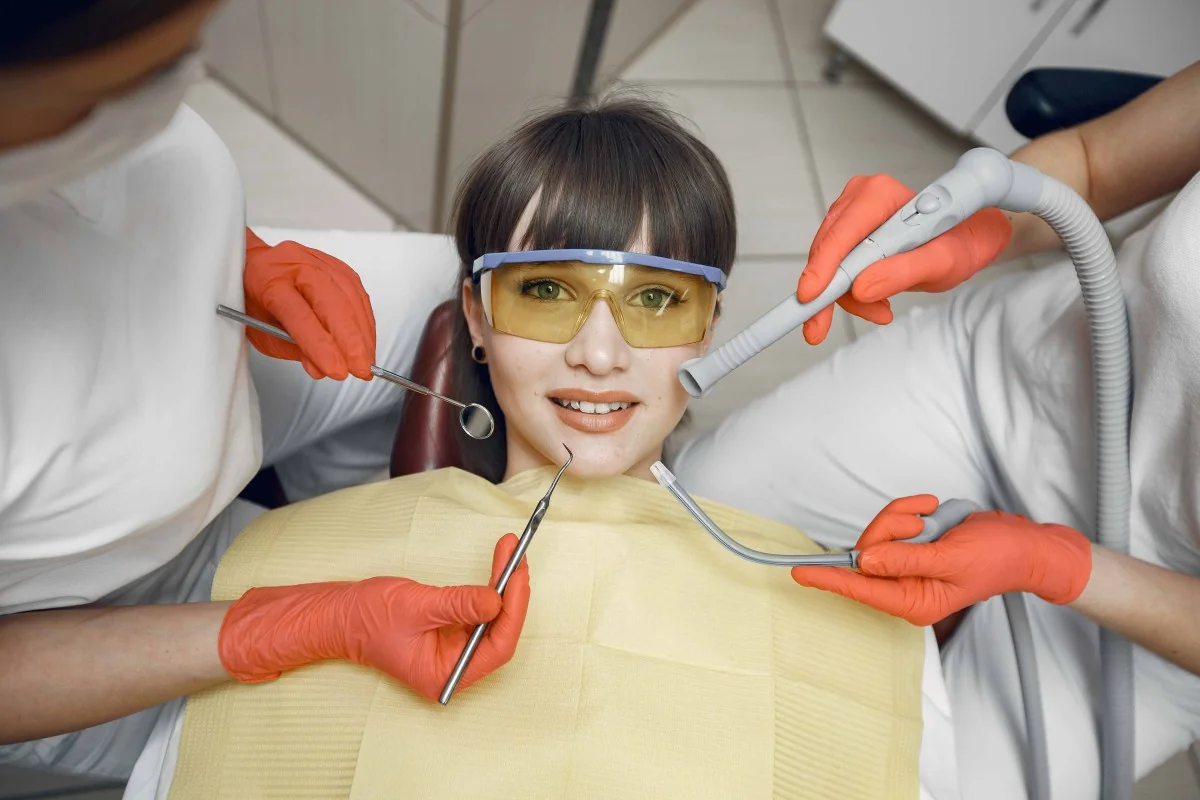
Oral, Dental and Maxillofacial Surgery; It is the department of Dentistry that deals with the diagnosis and treatment of jaw and jaw joint disorders, oral soft tissues and all kinds of dental disorders.
Detailed Information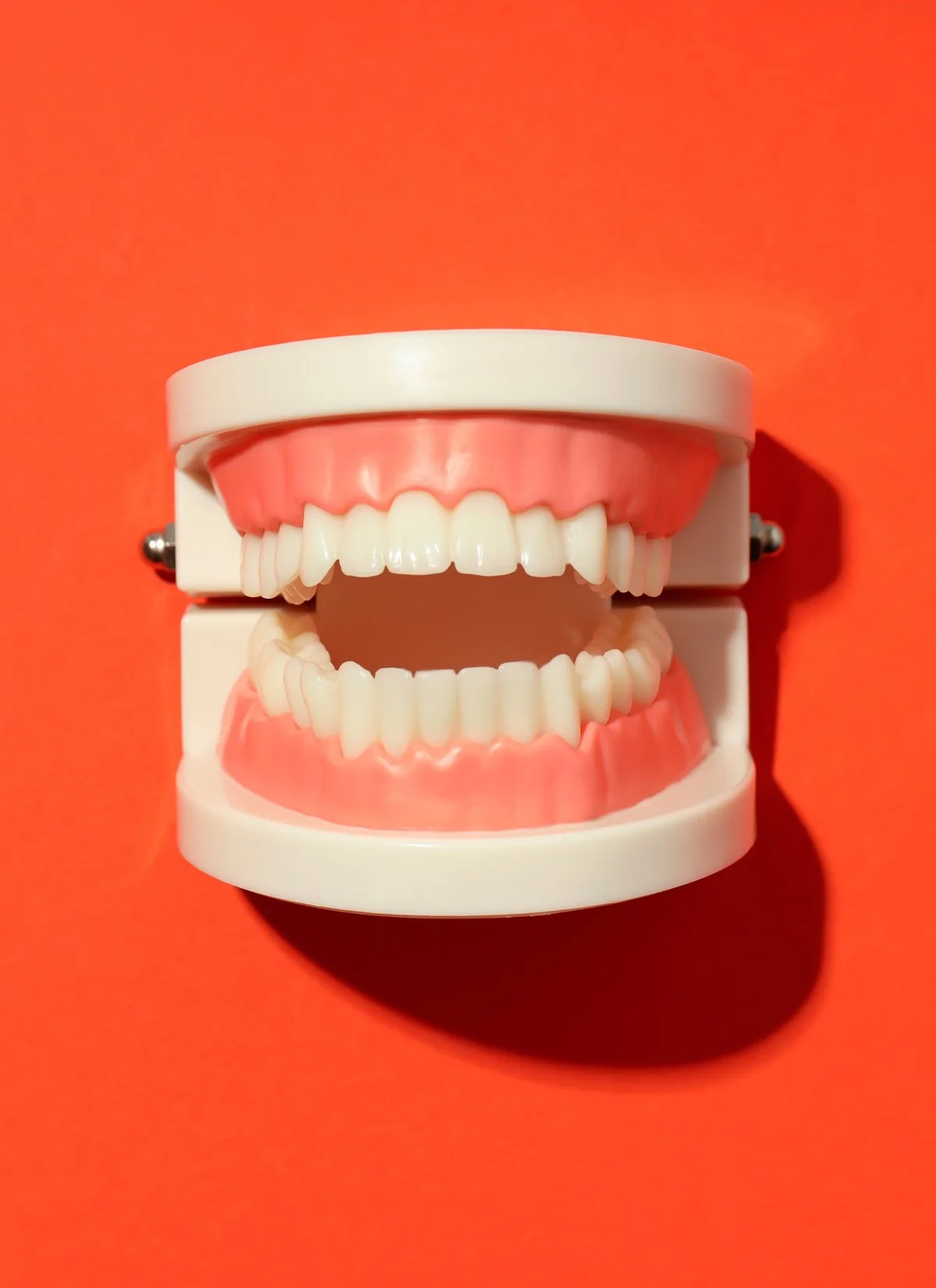
Dental prostheses are artificial teeth used to correct the teeth of people whose natural tooth structure is deteriorated or to complete the missing teeth due to different reasons.
Detailed Information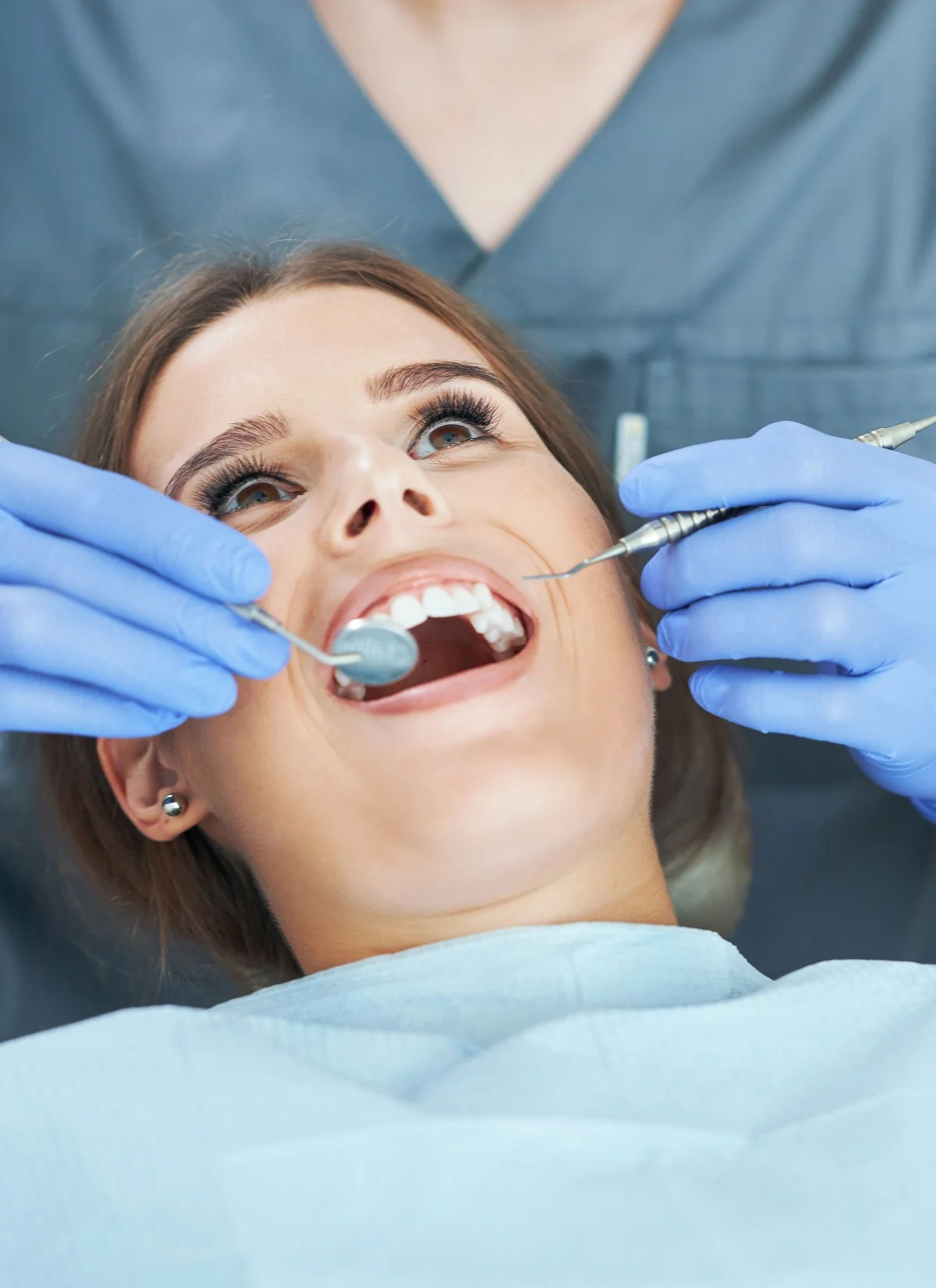
Department of Restorative Dentistry: Diagnoses the structural disorders that occur due to developmental or acquired disorders in dental tissues in its specialty
Detailed Information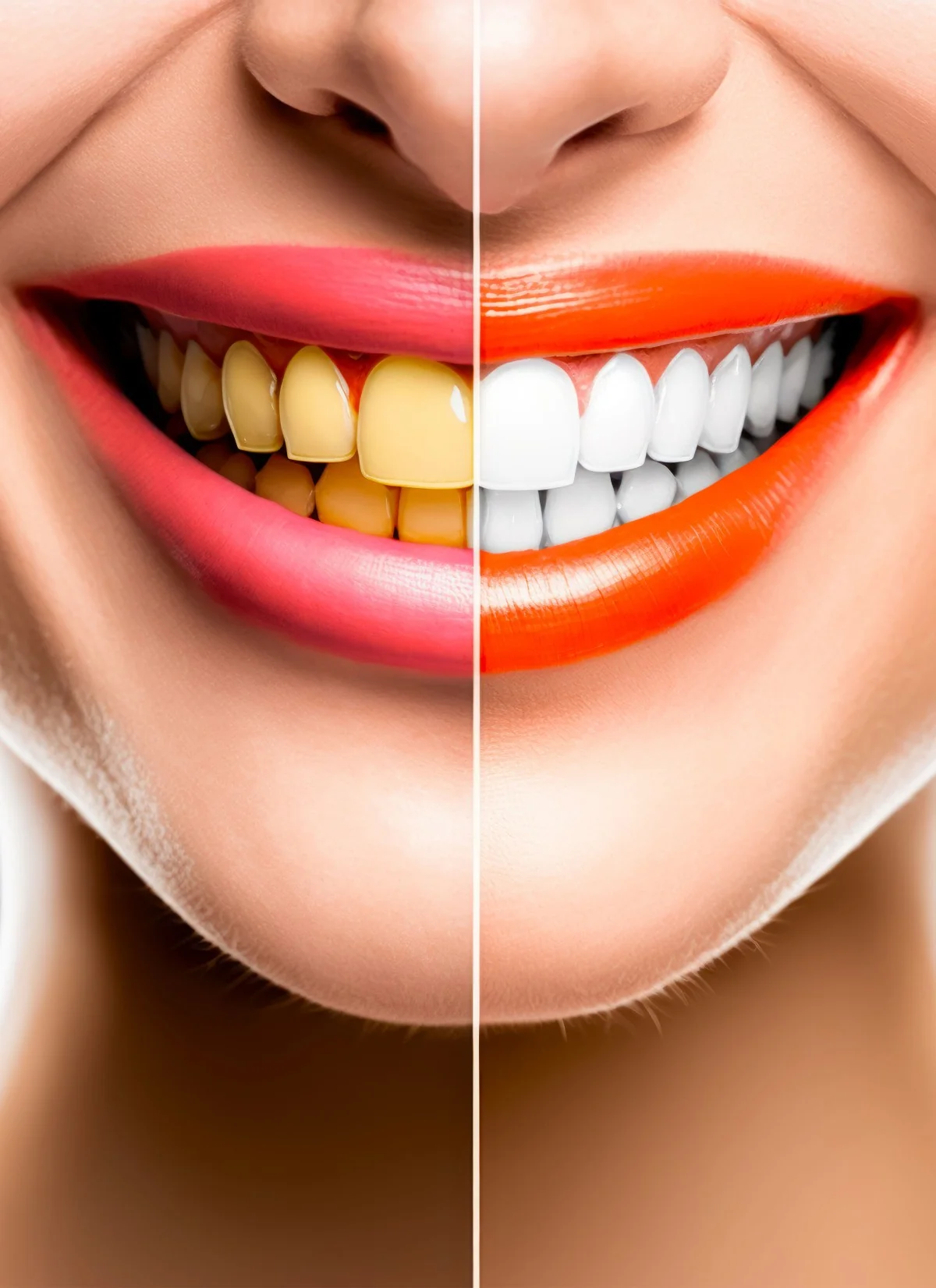
Since healthy and white teeth are the symbol of beauty and health; Teeth whitening is a frequently preferred method and one of the most striking points in the society is the beauty of the mouth and teeth,
Detailed Information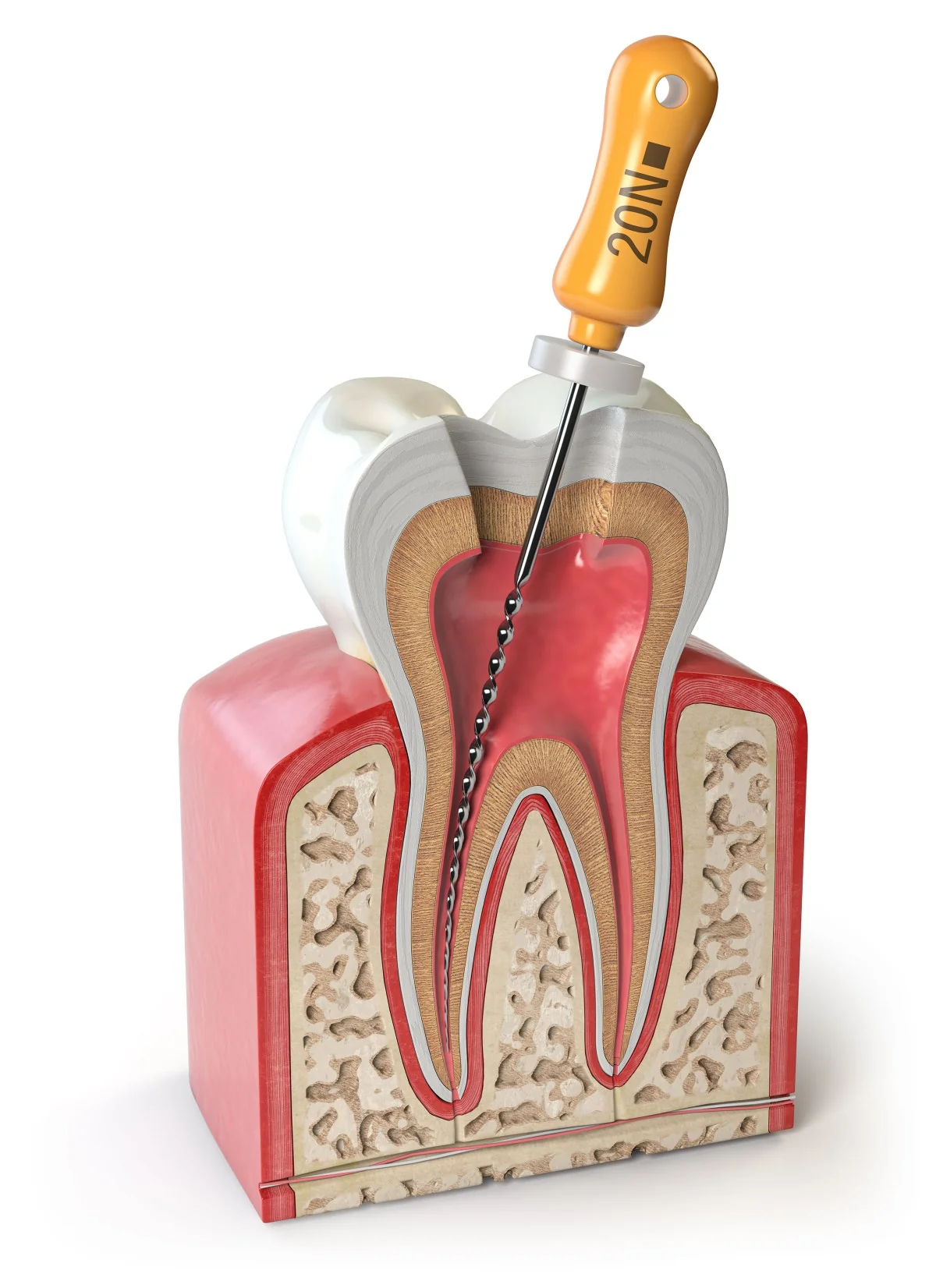
Endodontic, also known as root canal treatment, is applied to the patient’s tooth due to infection or significant decay,
Detailed Information
Dental and dental health is one of the most important issues that people pay attention to.
Detailed Information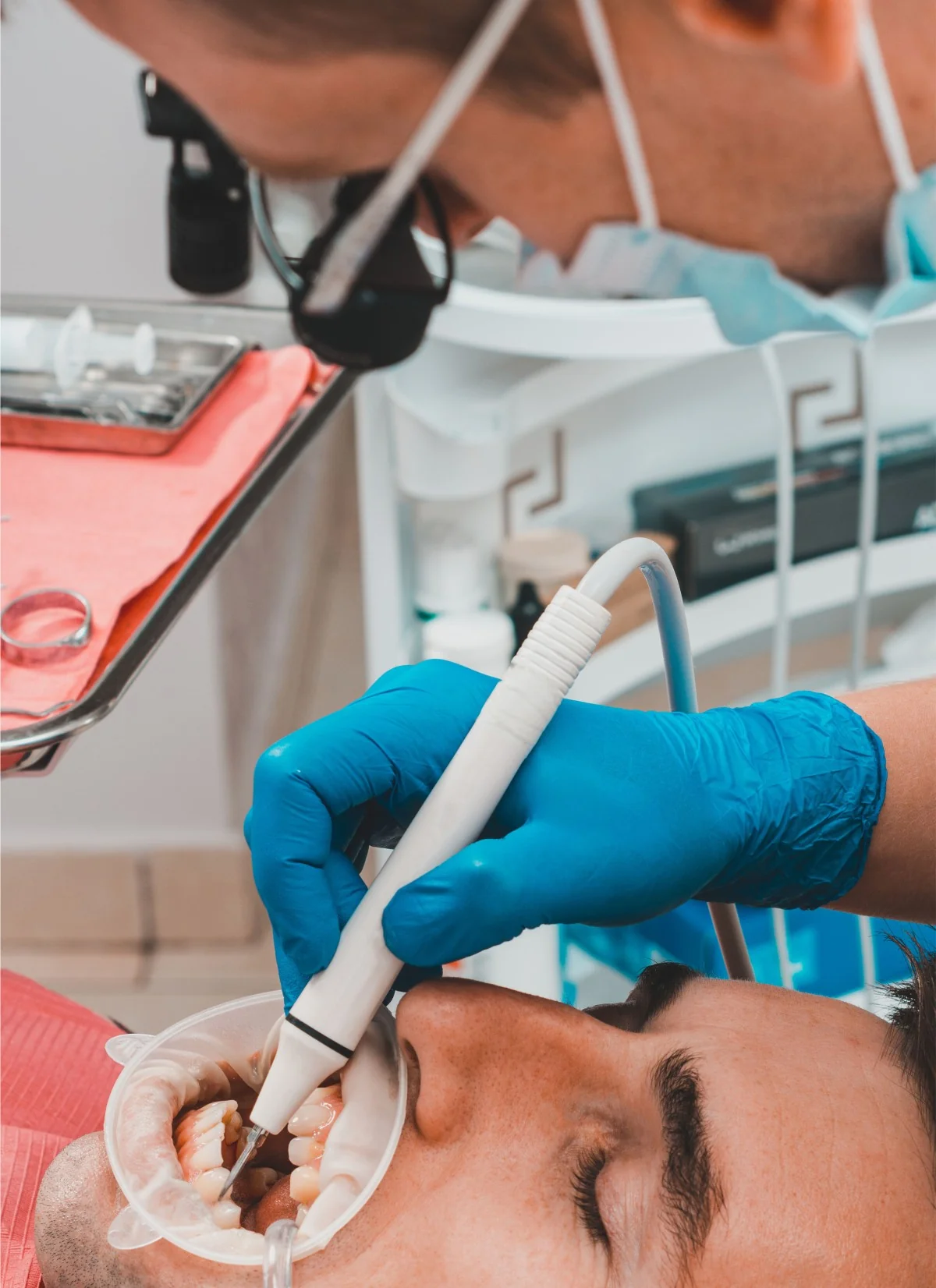
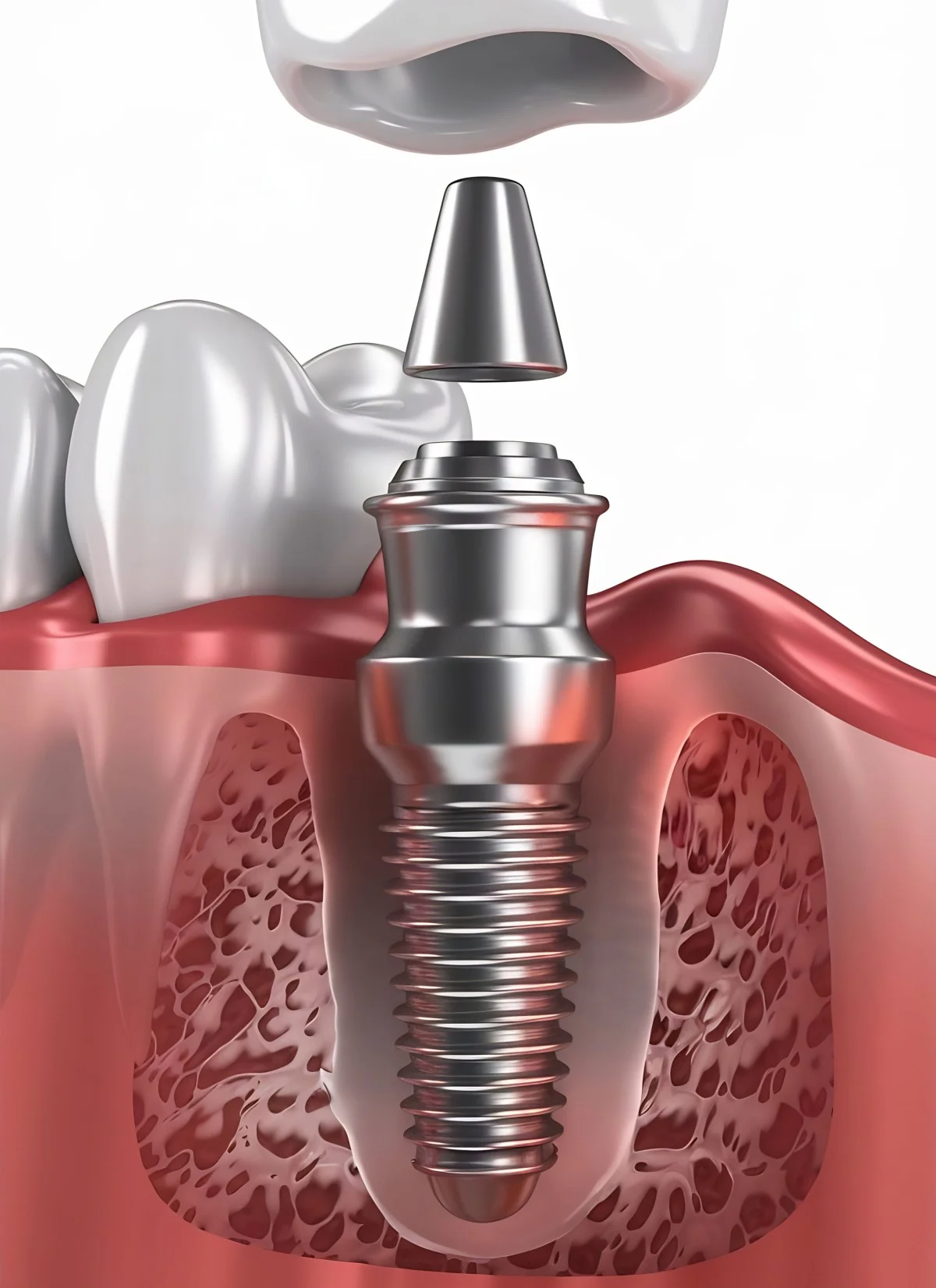
Dental implants are screws made of titanium that imitate tooth roots. It provides support to artificial teeth such as implants,
Detailed Information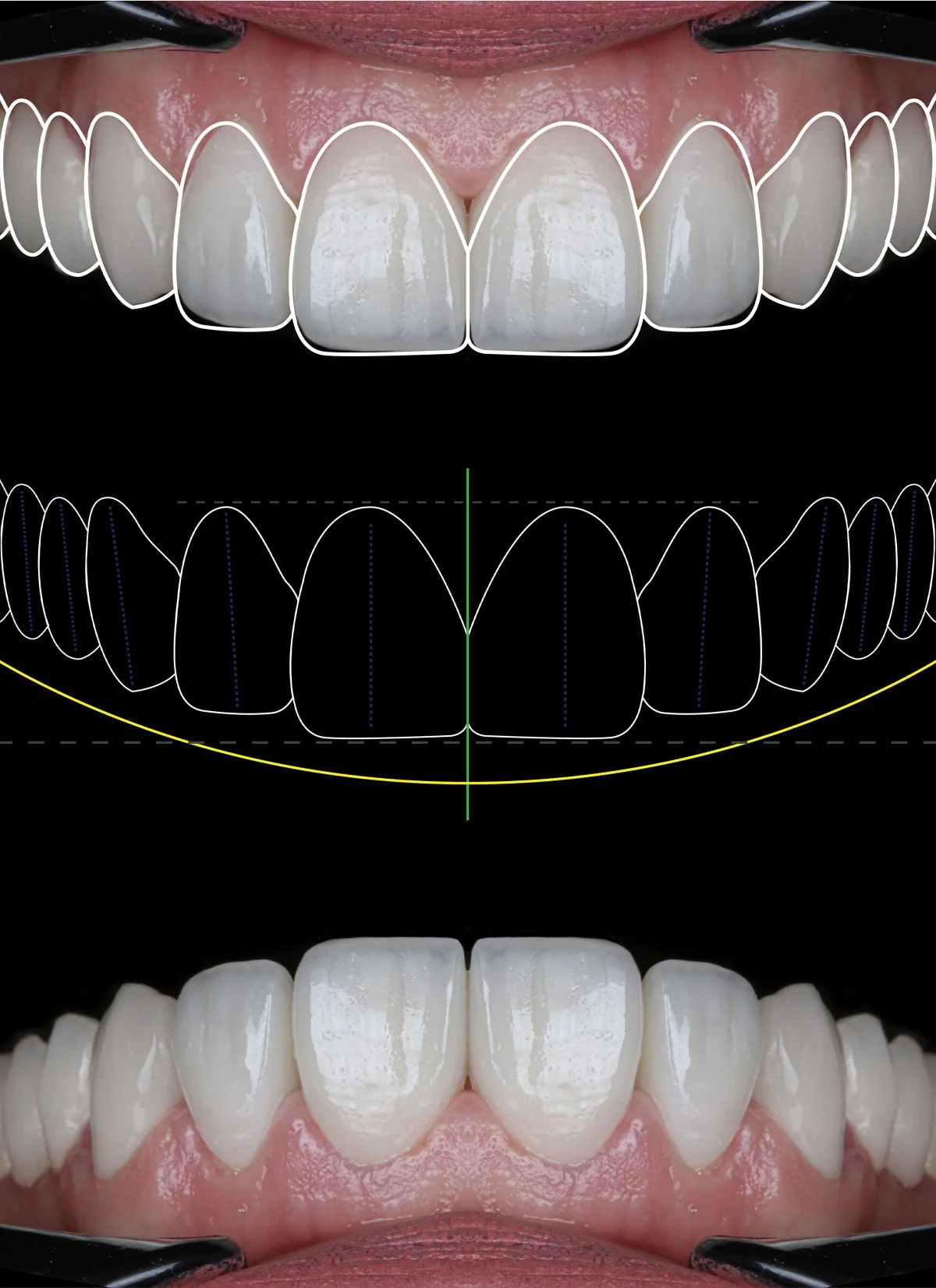
Smile Design makes your dental condition look more aesthetically pleasing and more natural.
Detailed Information Health Tourism

 TR
