Oral, Dental and Maxillofacial Surgery; It is the department of Dentistry that deals with the diagnosis and treatment of jaw and jaw joint disorders, oral soft tissues and all kinds of dental disorders.
Medical and aesthetic treatments concerning oral and dental health are included in the scope of dental and maxillofacial surgery. Many subjects such as Dental Implant, 20-year-old tooth extraction, jaw fracture treatment, jaw tumor, correction of soft tissues before orthodontic and prosthetic treatment, diagnosis and treatment of abscesses and cysts are evaluated within the scope of oral, dental and surgery.
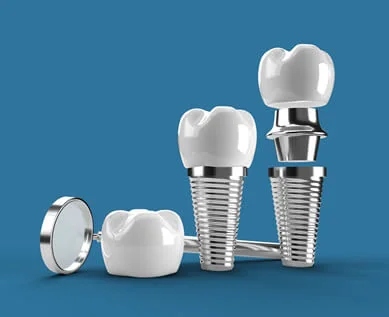
Dental implants are structures in the form of screws or roots made of titanium. It is aimed that the implants placed in the jawbones integrate with the jawbone and accept it as a part of itself.
Placing the dental implant is the first step of treatment. In the second stage, it is expected that the dental implant will fuse to the bone for about 3-6 months. As the final stage, dental porcelain is placed on the implant within a week. The construction time for a single dental implant is approximately 10-15 minutes.
The placement time of one dental implant is approximately 3-4 minutes. During this period, the patient does not feel any pain due to anesthesia, but numbness passes within 2-3 hours and painkillers may be used for 1-2 days.
Dental implant is a surgical procedure. Therefore, the quality of the material used while placing the dental implant in the jawbone, ensuring hygiene and sterilization conditions are important criteria.
Tooth extraction is the process of removing the tooth from its socket called the socket in the jawbone. Thanks to the developing technology and new treatment methods, it is aimed to keep and treat the teeth in the mouth.
The reason why wisdom teeth are buried; genetically, with the shrinkage of the jaw structure, this tooth is no longer needed. With the shrinkage of the jaw, wisdom teeth have difficulty finding a place for themselves and cannot come out like other teeth. Impacted teeth can damage surrounding teeth or cause inflammation of the gums. In addition, wisdom teeth put pressure on the surrounding teeth and cause crowding.
Typically, you won't feel pain during dental treatment. Local anesthesia is applied to numb the area before the procedure. After the anesthesia wears off, you might experience mild soreness, but this is temporary.
Teeth whitening is completely safe when done with proper techniques and under the supervision of a qualified dentist. It does not harm your oral health. However, some temporary sensitivity may occur.
Teeth cleaning is very important for preventing gum diseases and maintaining oral health. Tartar buildup can lead to gum inflammation, so regular dental cleanings are recommended.
A dental implant is a titanium post placed in the jawbone to replace a lost tooth. It serves as a stable foundation for a dental crown, providing functionality similar to natural teeth.
The duration of orthodontic treatment varies based on individual needs, but it typically lasts between 1 to 3 years. The treatment time depends on the condition of the teeth and how well you follow the treatment plan.
Children's dental treatment is personalized according to their age and development. Regular check-ups and dental cleanings are essential for maintaining their oral health and preventing future issues.
Orthodontic treatment is usually recommended for children between the ages of 9 and 14, when their growth phase is not complete. However, adults can also undergo orthodontic treatment, and treatment can be effective even after the growth period.
Tooth decay is treated depending on its severity. Superficial cavities are treated with fillings, while deeper cavities may require root canal treatment.
Dental prostheses, such as crowns or bridges, are used to replace missing teeth. They can be recommended for patients with tooth loss to restore both function and aesthetics.
It is recommended to visit the dentist at least twice a year for regular check-ups. Regular visits help with early detection of potential issues and are essential for maintaining optimal oral health.
Gum bleeding is typically a sign of gum inflammation and should not be ignored. You should visit a dentist if you experience gum bleeding to address any potential oral health issues.
The recovery process depends on the type of treatment. For procedures like fillings and cleanings, recovery is usually immediate. However, for treatments like implants or tooth extractions, recovery may take a few days.
Urgent dental treatments can be performed during pregnancy. However, it is generally best to schedule dental procedures during the second trimester (3-6 months). Be sure to discuss anesthesia and medication use with your dentist.
Tooth sensitivity is often caused by enamel erosion or gum recession. Your dentist may recommend treatments to reduce sensitivity, and using sensitivity-reducing toothpaste can also help alleviate discomfort.
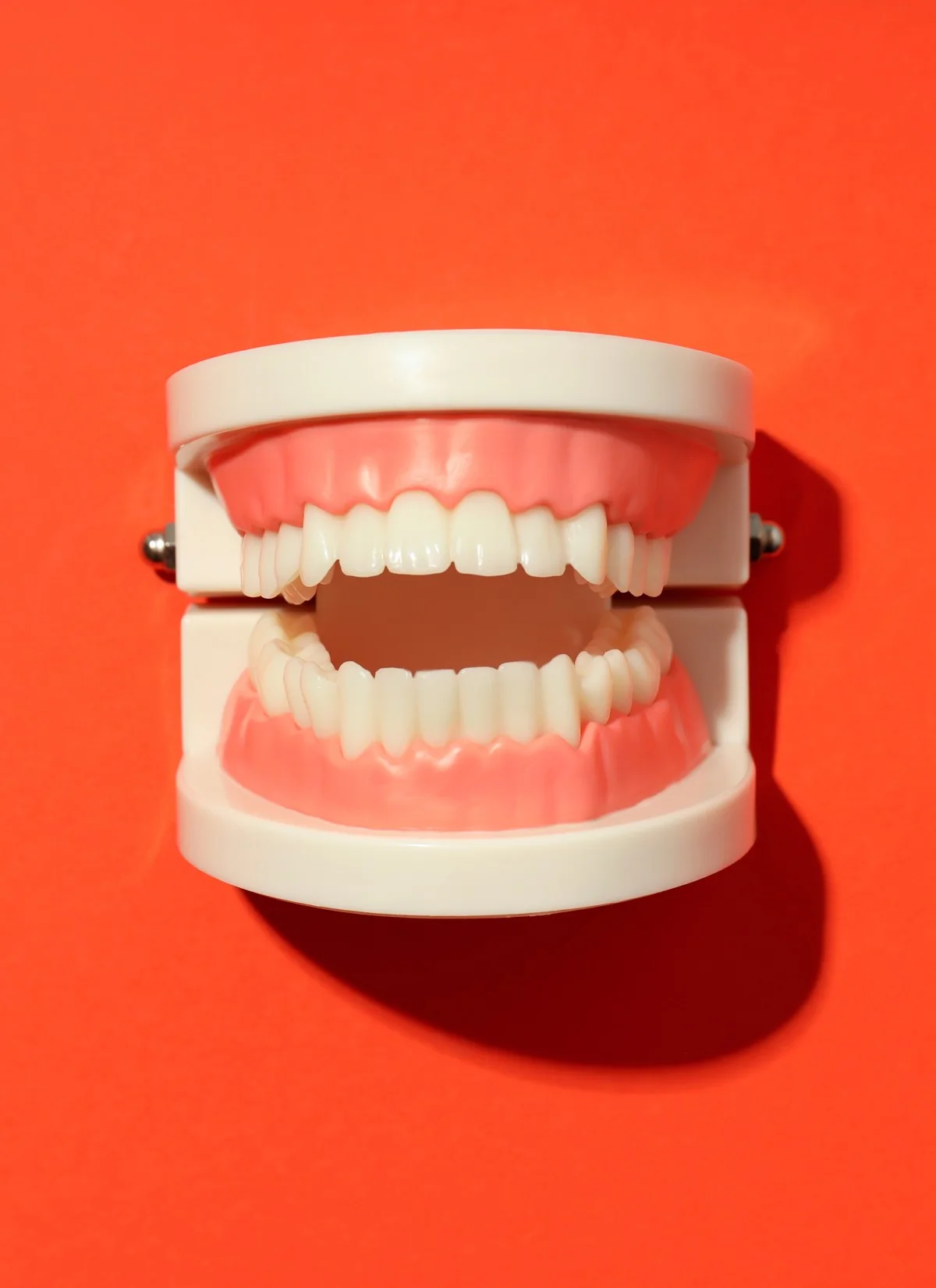
Dental prostheses are artificial teeth used to correct the teeth of people whose natural tooth structure is deteriorated or to complete the missing teeth due to different reasons.
Detailed Information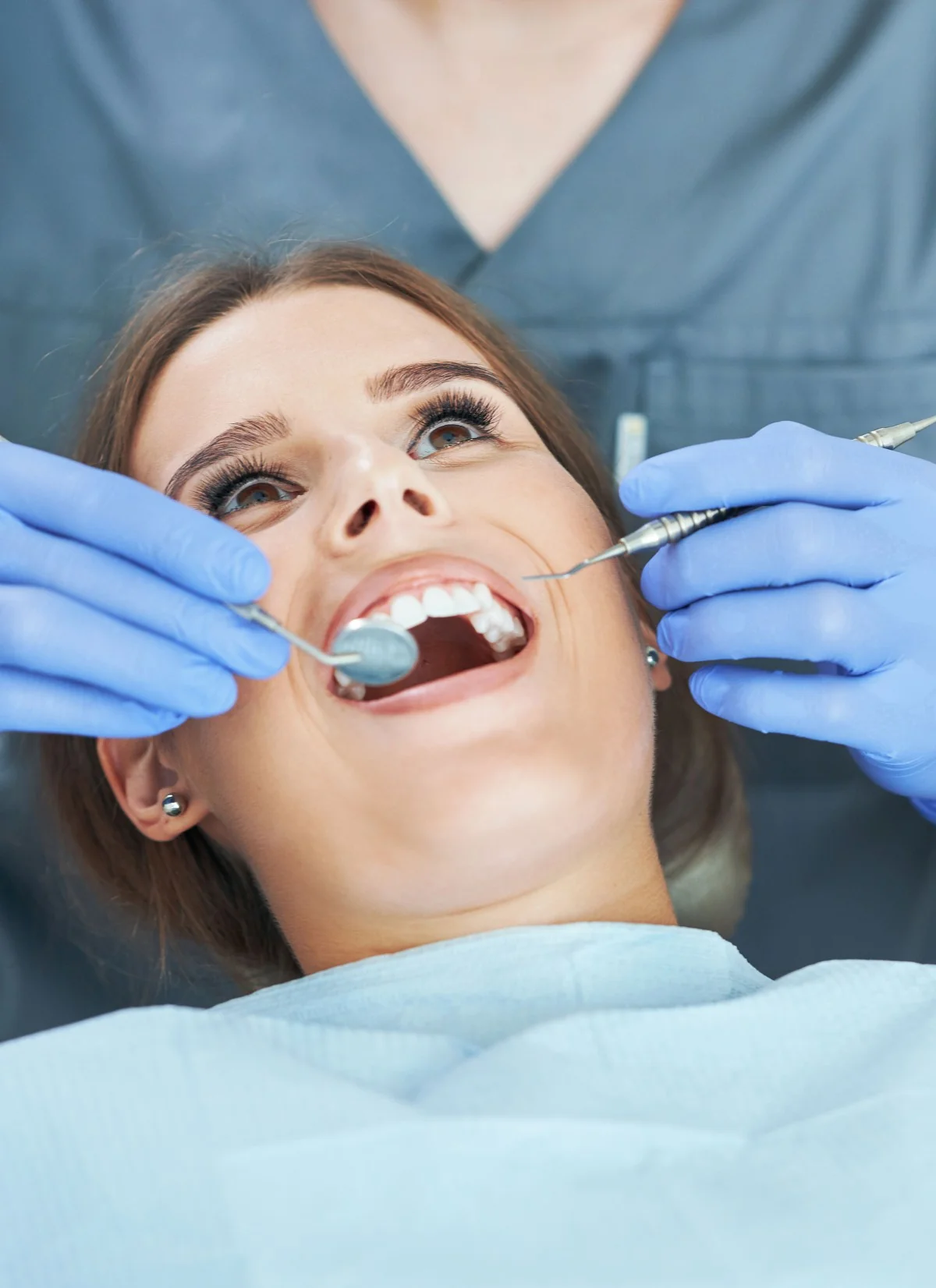
Department of Restorative Dentistry: Diagnoses the structural disorders that occur due to developmental or acquired disorders in dental tissues in its specialty
Detailed Information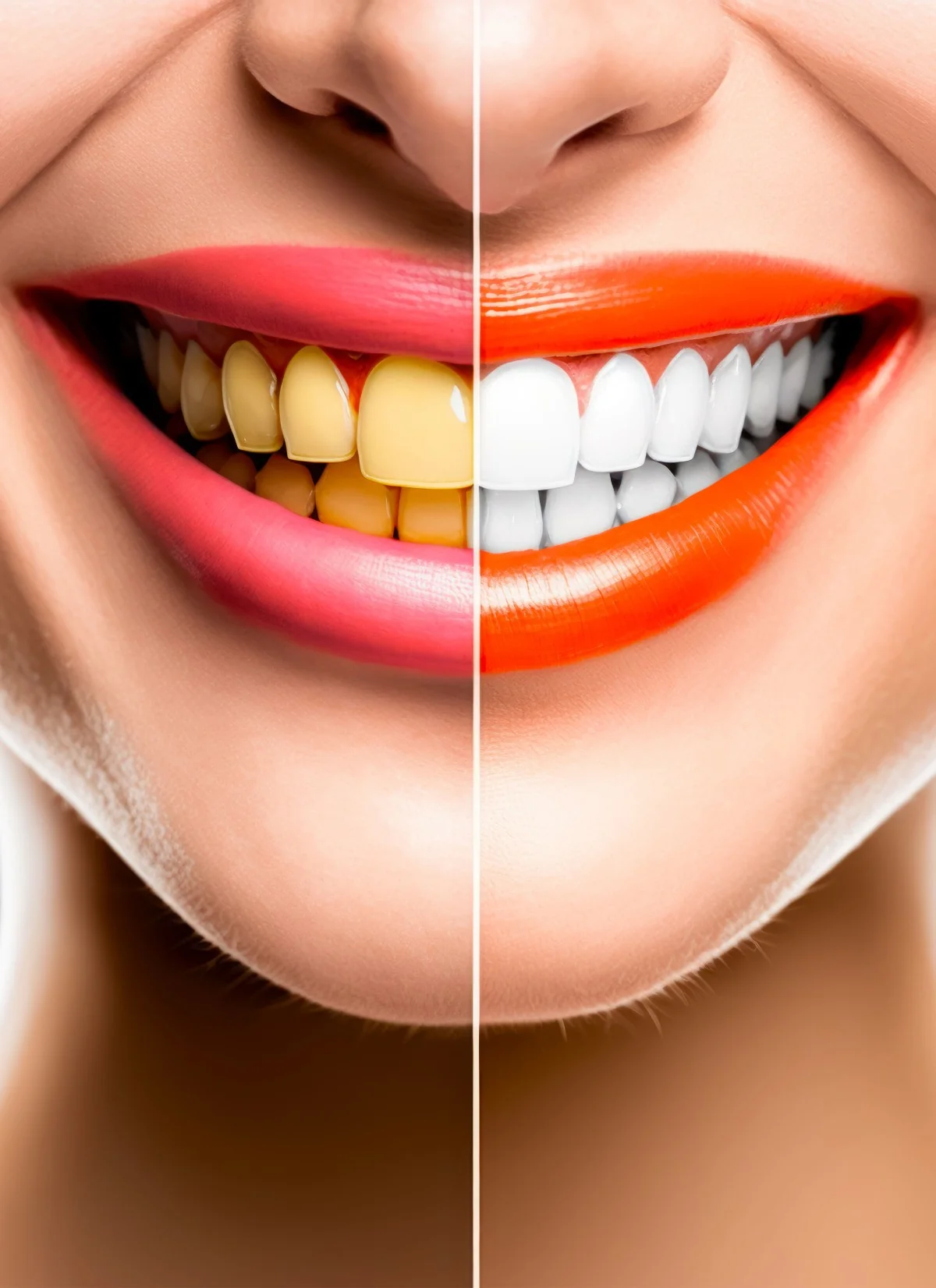
Since healthy and white teeth are the symbol of beauty and health; Teeth whitening is a frequently preferred method and one of the most striking points in the society is the beauty of the mouth and teeth,
Detailed Information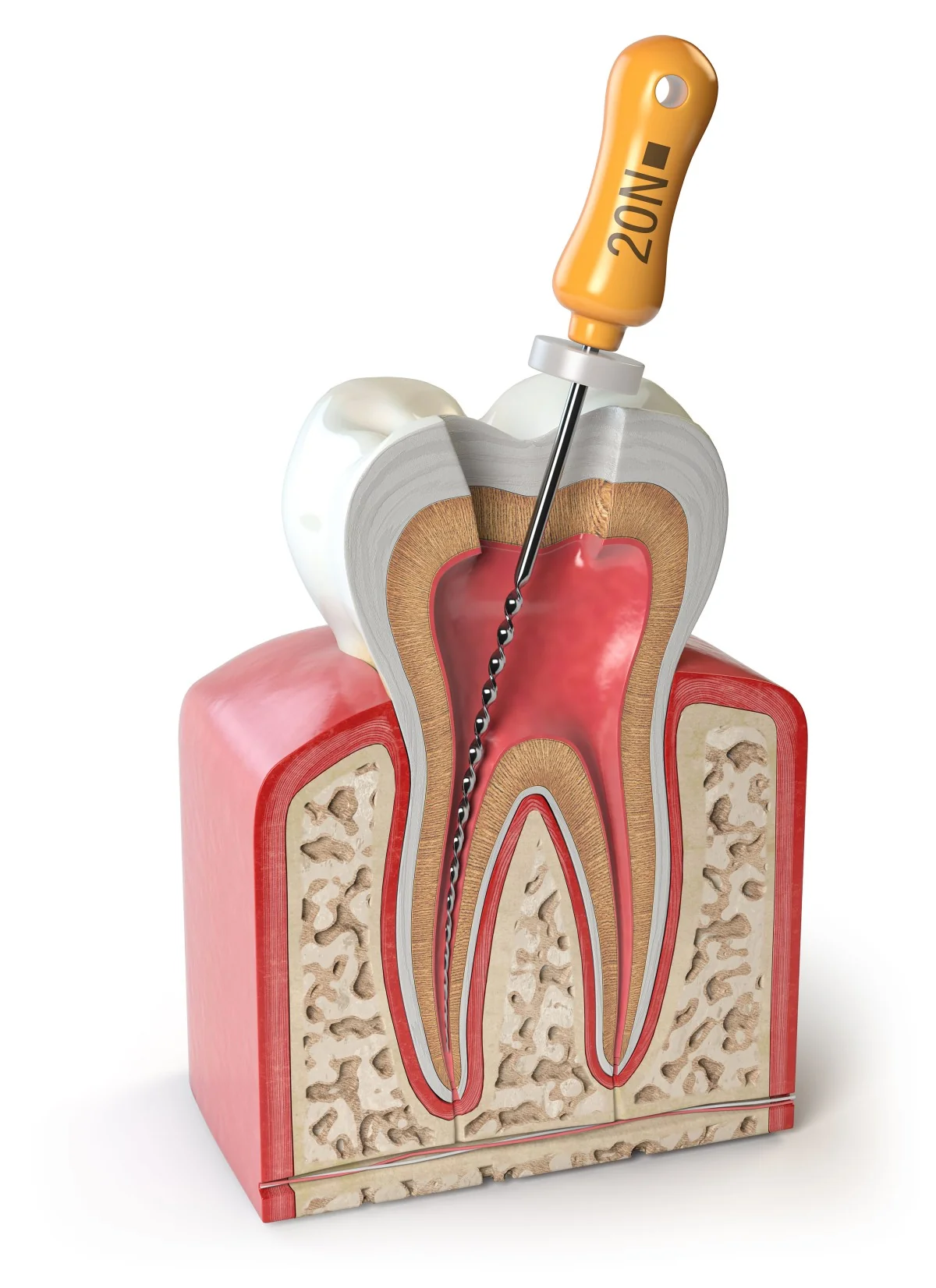
Endodontic, also known as root canal treatment, is applied to the patient’s tooth due to infection or significant decay,
Detailed Information
Dental and dental health is one of the most important issues that people pay attention to.
Detailed Information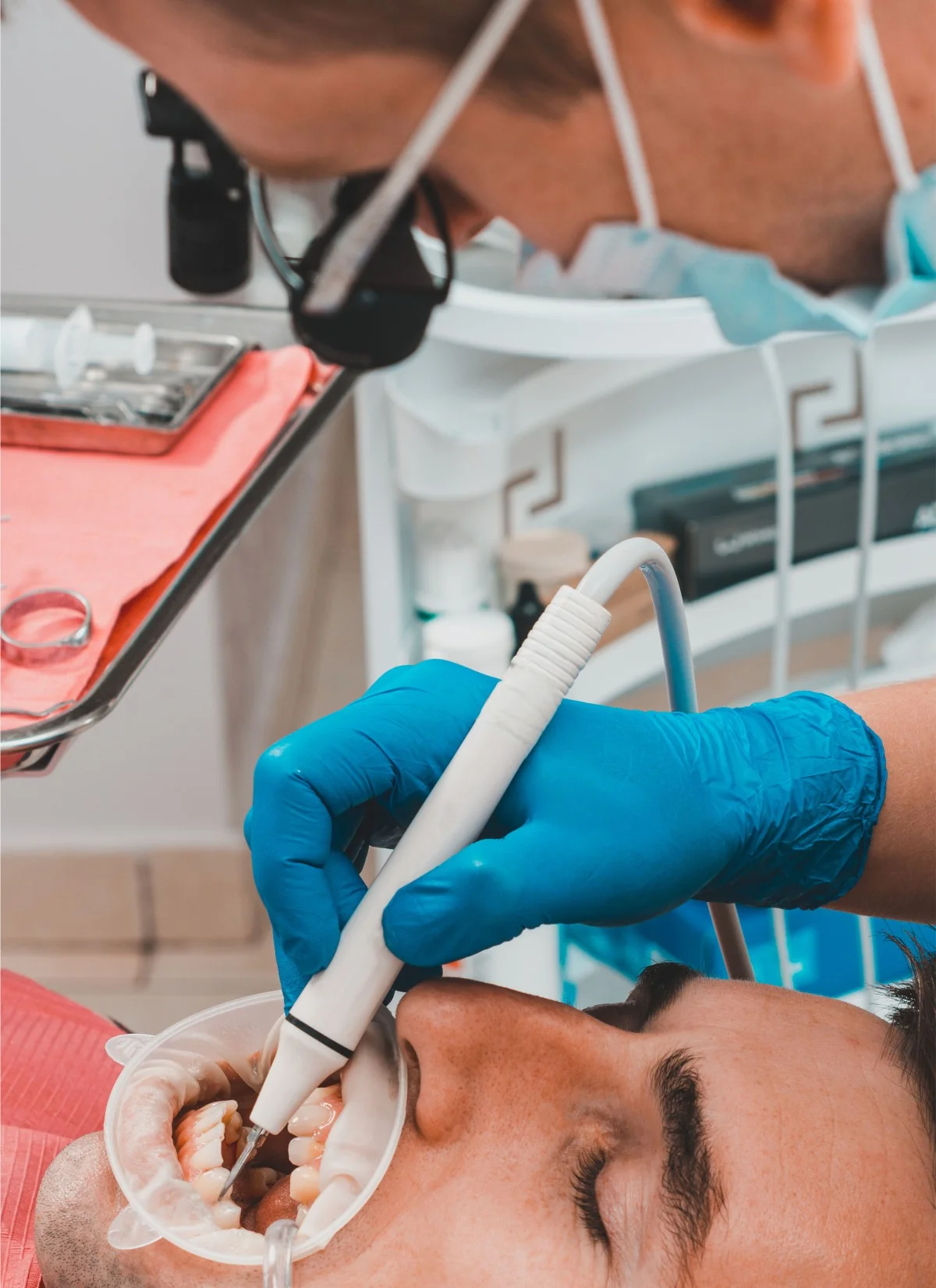
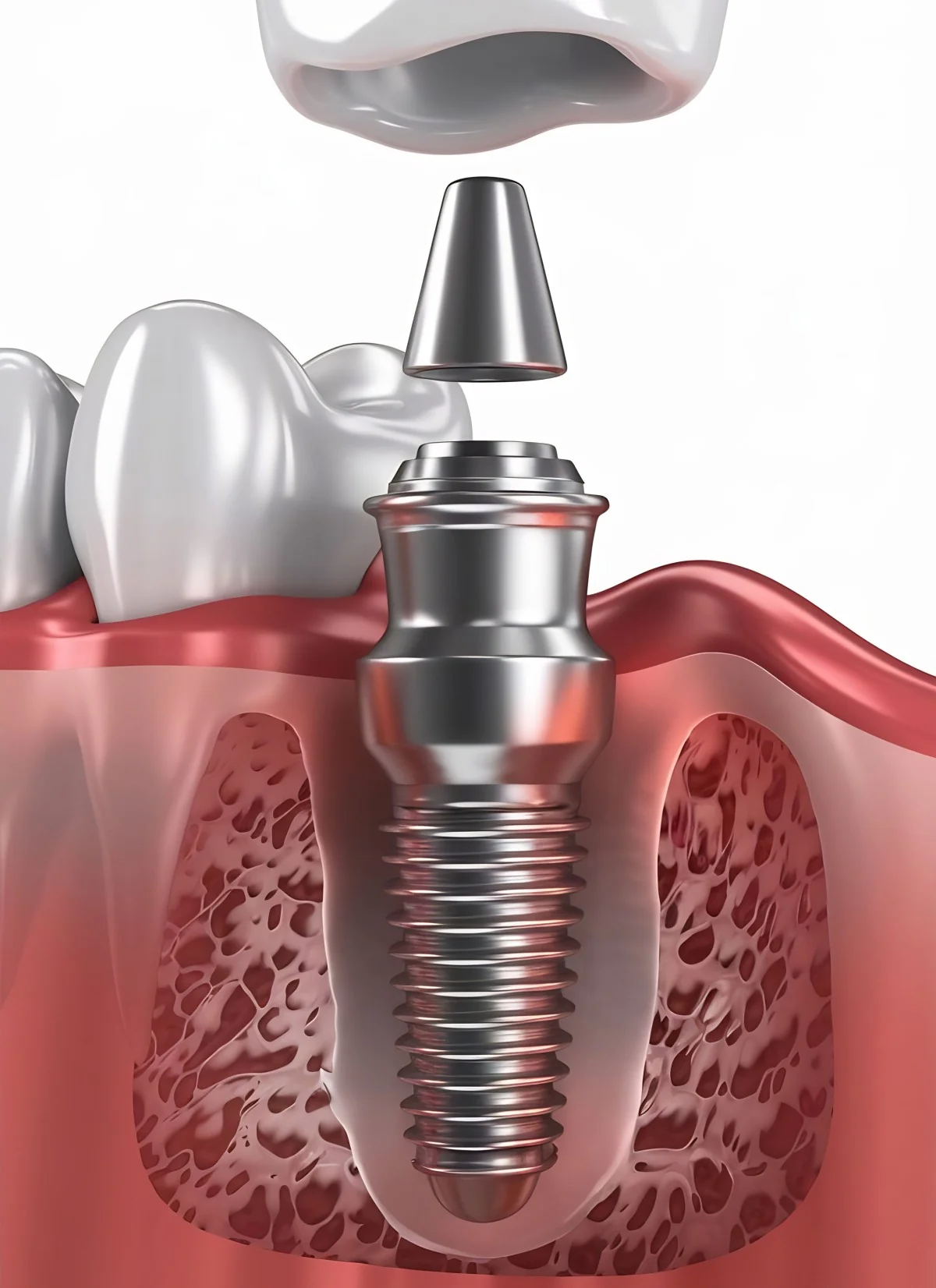
Dental implants are screws made of titanium that imitate tooth roots. It provides support to artificial teeth such as implants,
Detailed Information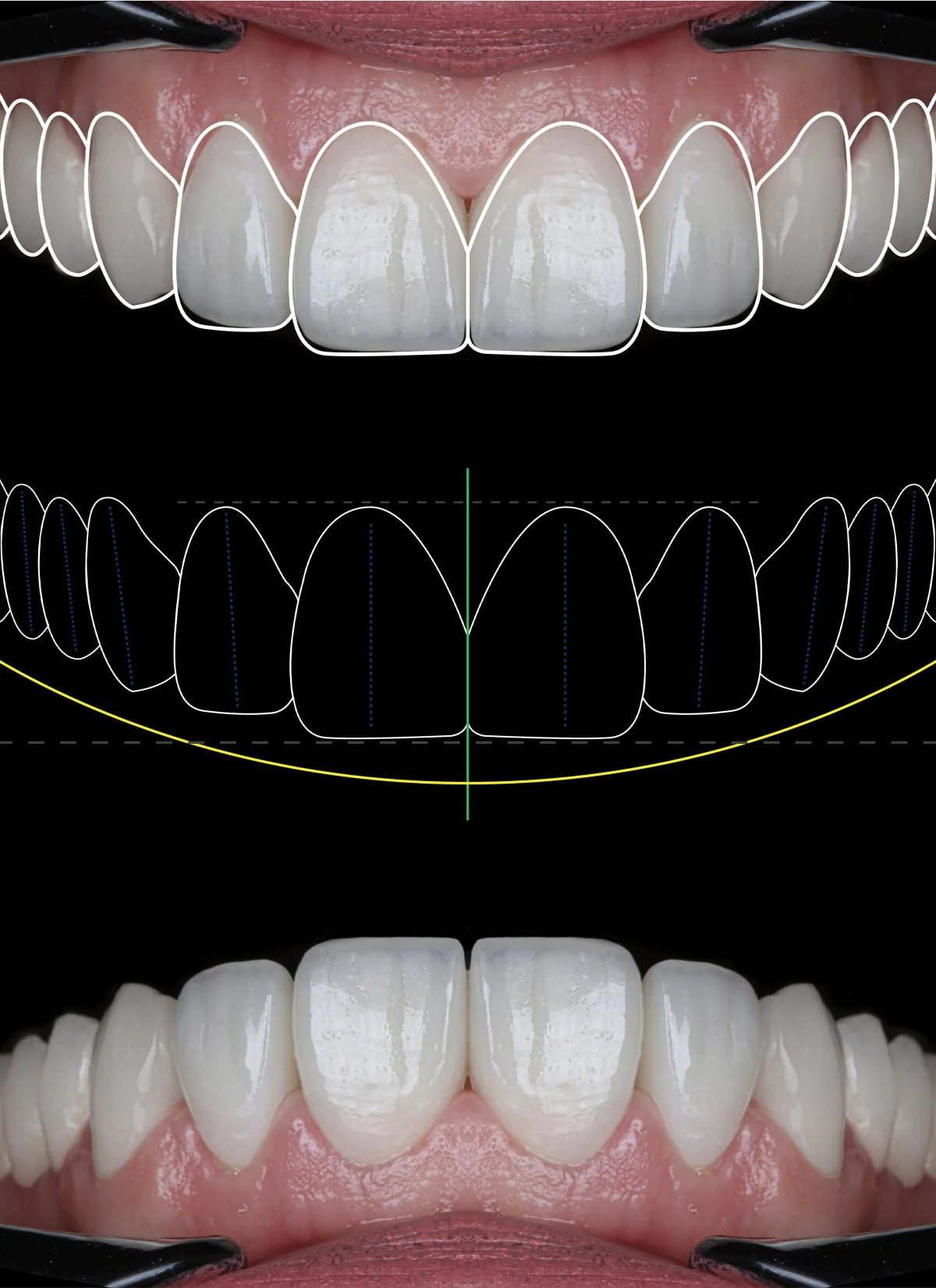
Smile Design makes your dental condition look more aesthetically pleasing and more natural.
Detailed Information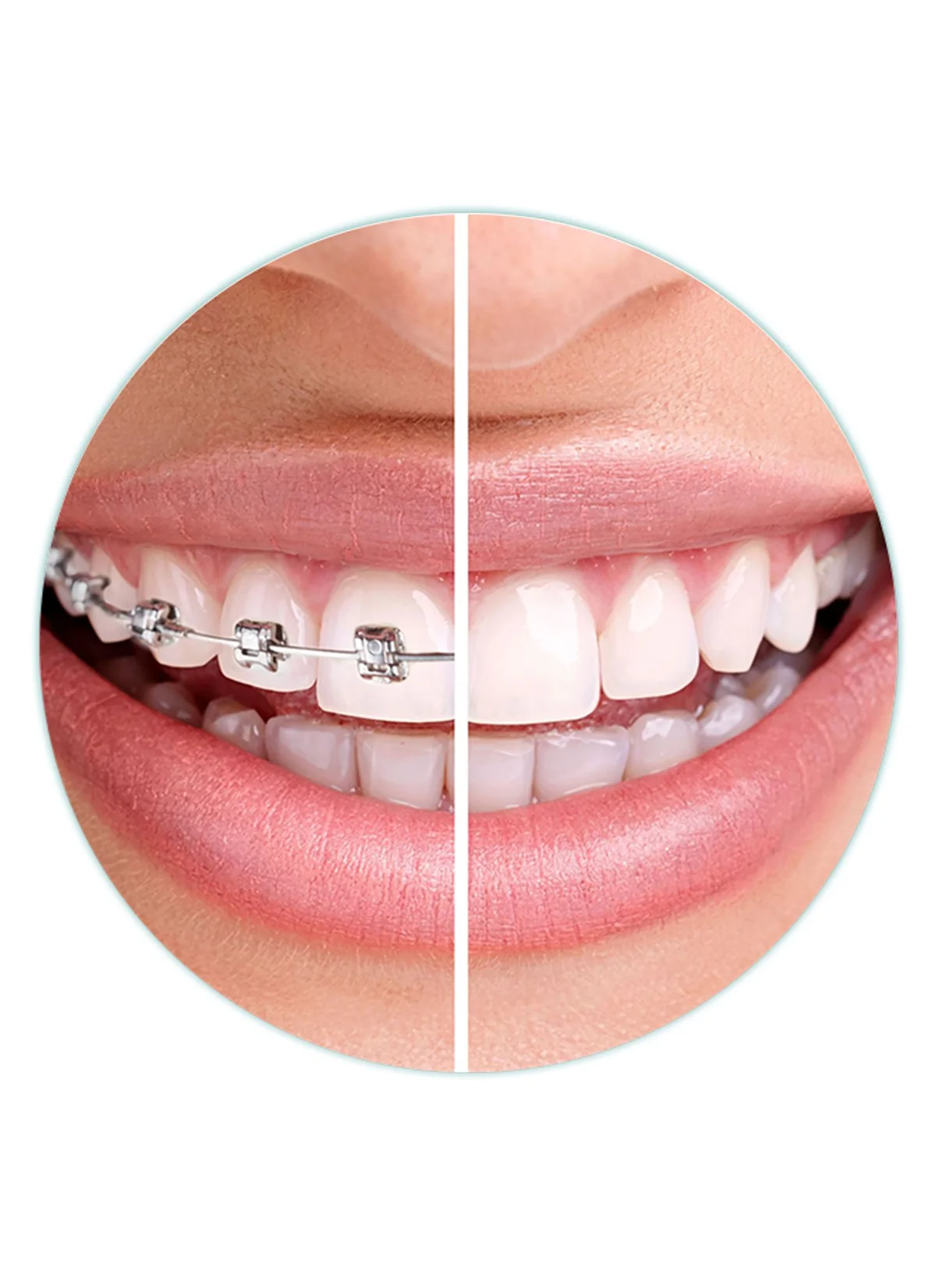
 Health Tourism
 TR
TR 