

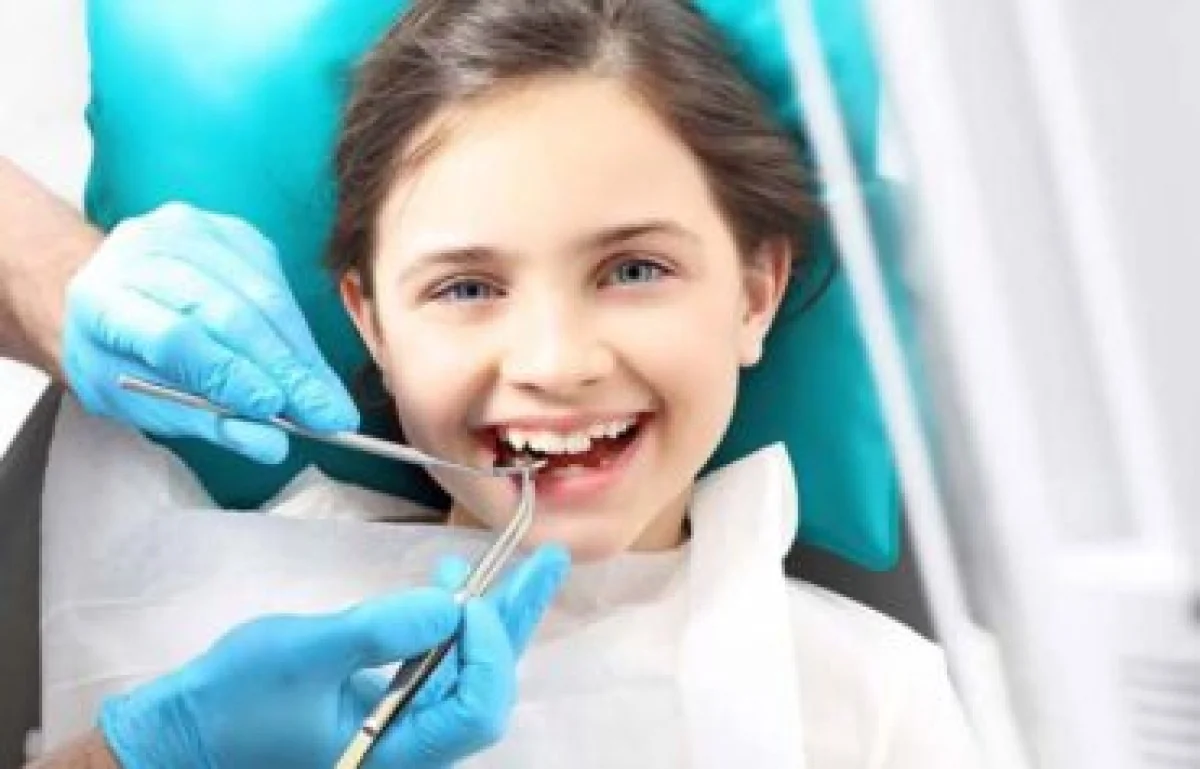

Pedodontics is a word of Latin origin, meaning “children’s teeth”. Pedodontics (Pediatric Dentistry) is the treatment for the healthy preservation of milk and permanent teeth of children aged 0-12.
Deciduous teeth usually begin to erupt in the 6th month after birth, and a total of 20 primary teeth are completed by the age of 2.5; milk teeth show structural and anatomical differences compared to permanent teeth, and these differences make them resistant to caries and abrasion. Even though the most important function of these milk teeth is to feed the child, they also fulfill the tasks of speech, aesthetics and space for the permanent teeth to follow. Decayed milk teeth cause pain and malnutrition due to pain during feeding in the child, while at the same time they lose size and cannot hold enough space for permanent teeth, which may lead to future space limitations.
Permanent teeth begin to erupt from the age of 6, and until the age of 12, there are both milk and permanent teeth in the oral environment. Treatment of newly erupted permanent teeth can be differentiated from mature permanent teeth and this requires expertise. The endodontist monitors children’s oral and dental health, as well as their jaw and facial development, starting from infancy. Performs all preventive and curative treatment and protective procedures according to needs.
Pedodontist or pediatric dentist is a dentist who has received a specialty or doctorate training in the Department of Pedodontics, affiliated to the Clinical Sciences of the Faculty of Dentistry,
The main treatment methods:
The most important of Pedodontics; are preventive and protective applications against tooth decay, preventive treatments in tooth decay, protect the oral and dental health of children, prevent serious oral and dental health problems that may occur in later ages; The treatments we apply in pediatric dentistry are done to prevent the formation of caries and to ensure that the teeth continue to function in a healthy way.
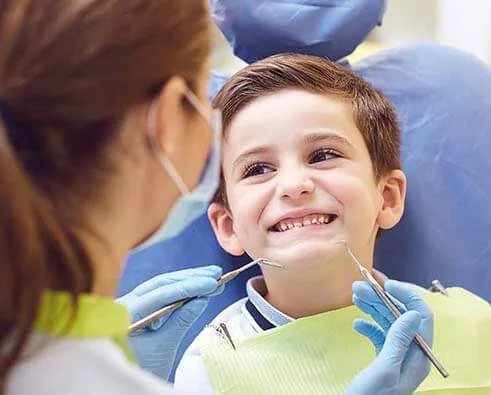
While fluoride and fissure sealant applications are widely preferred in preventive dental treatment in terms of preventing the formation of dental problems; it is also important to raise awareness of children’s eating habits, oral and dental care in preventing caries formation.
Fissure sealant dental treatment provides the prevention of bacteria in this area by closing the grooves on the surface of permanent teeth that may cause decay. With fissure sealant treatment, dental caries are covered with a fluid filling material; dental health is also protected for a long time.
After the fissure sealant application, the child should be checked at least every 6 months; Thanks to the fluoride application applied for a similar purpose with the fissure sealant, the tooth structure is strengthened.
The tooth is protected against acid attacks, thus preventing caries formation to a large extent. Pediatric dentistry practices should be performed by a pediatric dentist specialized in this field.
When there is too much material loss in the teeth, zirconium crown treatment, commonly known as “coating”, is applied, and it is also widely used in aesthetic dental treatments.
In the field of Pedodontics, zirconium is applied to prevent problems that may occur in milk teeth in children. Often neglected milk teeth affect the health of permanent teeth; is the foundation of the child’s oral and dental health; for this reason, it is necessary for parents to have their children’s dental health checked regularly in order to prevent future problems.
Zirconium crowns are specially produced for children and performed by dentists who are experts in their field.
Children should be taken to the dentist for a check-up after the first tooth eruption, after which a visit to the dentist should be repeated every 6 months for a check-up. The clinical examination of the child by the dentist has two stages.

Step 1: Extra oral Examination
In the head-face examination, the size, shape and proportions of this region are observed.
Step 2: Intraoral Examination
This examination includes the examination of the teeth and soft tissues while the mouth is open, and the observations made when the teeth are in the closing position.
Typically, you won't feel pain during dental treatment. Local anesthesia is applied to numb the area before the procedure. After the anesthesia wears off, you might experience mild soreness, but this is temporary.
Teeth whitening is completely safe when done with proper techniques and under the supervision of a qualified dentist. It does not harm your oral health. However, some temporary sensitivity may occur.
Teeth cleaning is very important for preventing gum diseases and maintaining oral health. Tartar buildup can lead to gum inflammation, so regular dental cleanings are recommended.
A dental implant is a titanium post placed in the jawbone to replace a lost tooth. It serves as a stable foundation for a dental crown, providing functionality similar to natural teeth.
The duration of orthodontic treatment varies based on individual needs, but it typically lasts between 1 to 3 years. The treatment time depends on the condition of the teeth and how well you follow the treatment plan.
Children's dental treatment is personalized according to their age and development. Regular check-ups and dental cleanings are essential for maintaining their oral health and preventing future issues.
Orthodontic treatment is usually recommended for children between the ages of 9 and 14, when their growth phase is not complete. However, adults can also undergo orthodontic treatment, and treatment can be effective even after the growth period.
Tooth decay is treated depending on its severity. Superficial cavities are treated with fillings, while deeper cavities may require root canal treatment.
Dental prostheses, such as crowns or bridges, are used to replace missing teeth. They can be recommended for patients with tooth loss to restore both function and aesthetics.
It is recommended to visit the dentist at least twice a year for regular check-ups. Regular visits help with early detection of potential issues and are essential for maintaining optimal oral health.
Gum bleeding is typically a sign of gum inflammation and should not be ignored. You should visit a dentist if you experience gum bleeding to address any potential oral health issues.
The recovery process depends on the type of treatment. For procedures like fillings and cleanings, recovery is usually immediate. However, for treatments like implants or tooth extractions, recovery may take a few days.
Urgent dental treatments can be performed during pregnancy. However, it is generally best to schedule dental procedures during the second trimester (3-6 months). Be sure to discuss anesthesia and medication use with your dentist.
Tooth sensitivity is often caused by enamel erosion or gum recession. Your dentist may recommend treatments to reduce sensitivity, and using sensitivity-reducing toothpaste can also help alleviate discomfort.

Oral, Dental and Maxillofacial Surgery; It is the department of Dentistry that deals with the diagnosis and treatment of jaw and jaw joint disorders, oral soft tissues and all kinds of dental disorders.
Detailed Information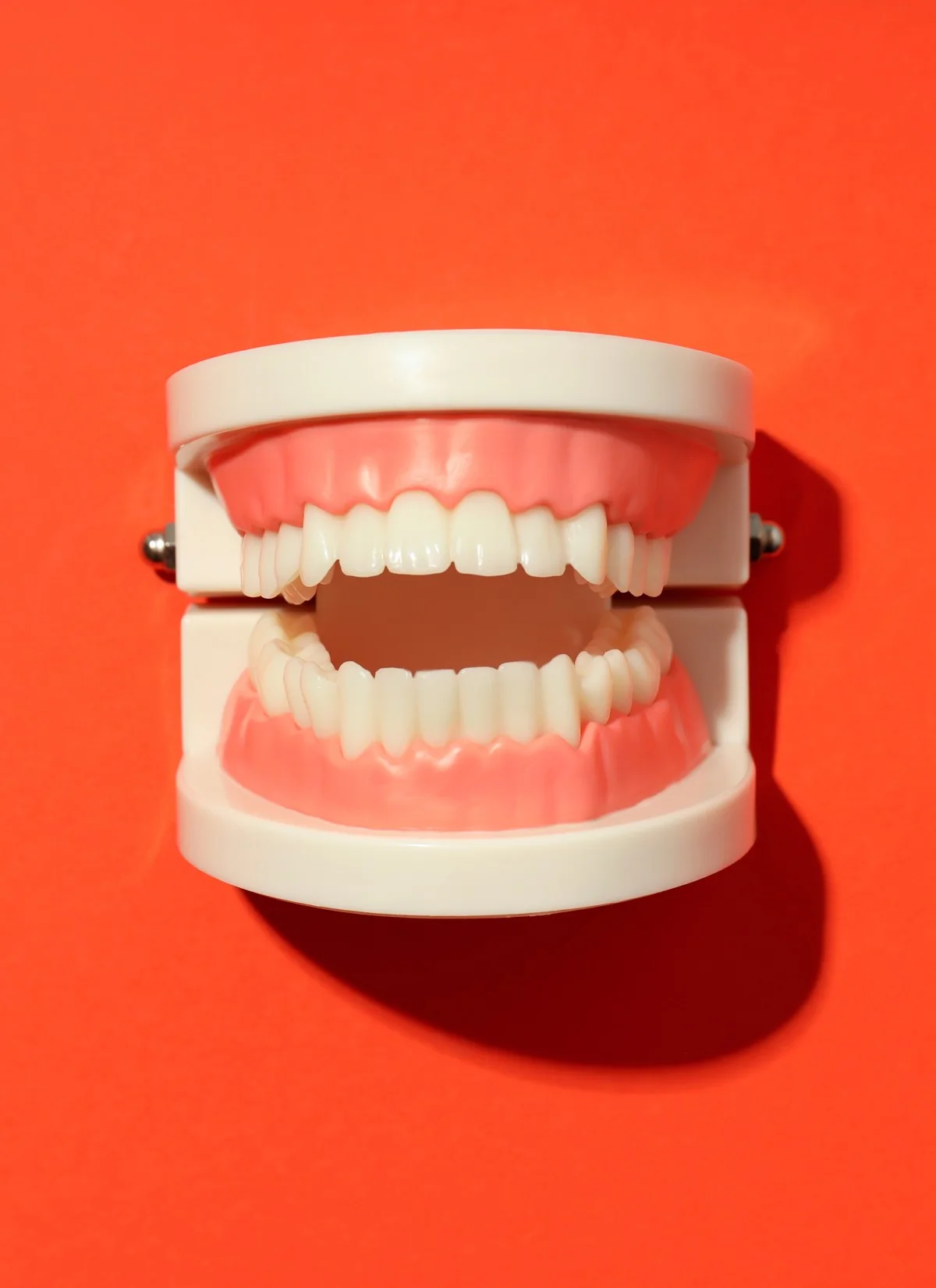
Dental prostheses are artificial teeth used to correct the teeth of people whose natural tooth structure is deteriorated or to complete the missing teeth due to different reasons.
Detailed Information
Department of Restorative Dentistry: Diagnoses the structural disorders that occur due to developmental or acquired disorders in dental tissues in its specialty
Detailed Information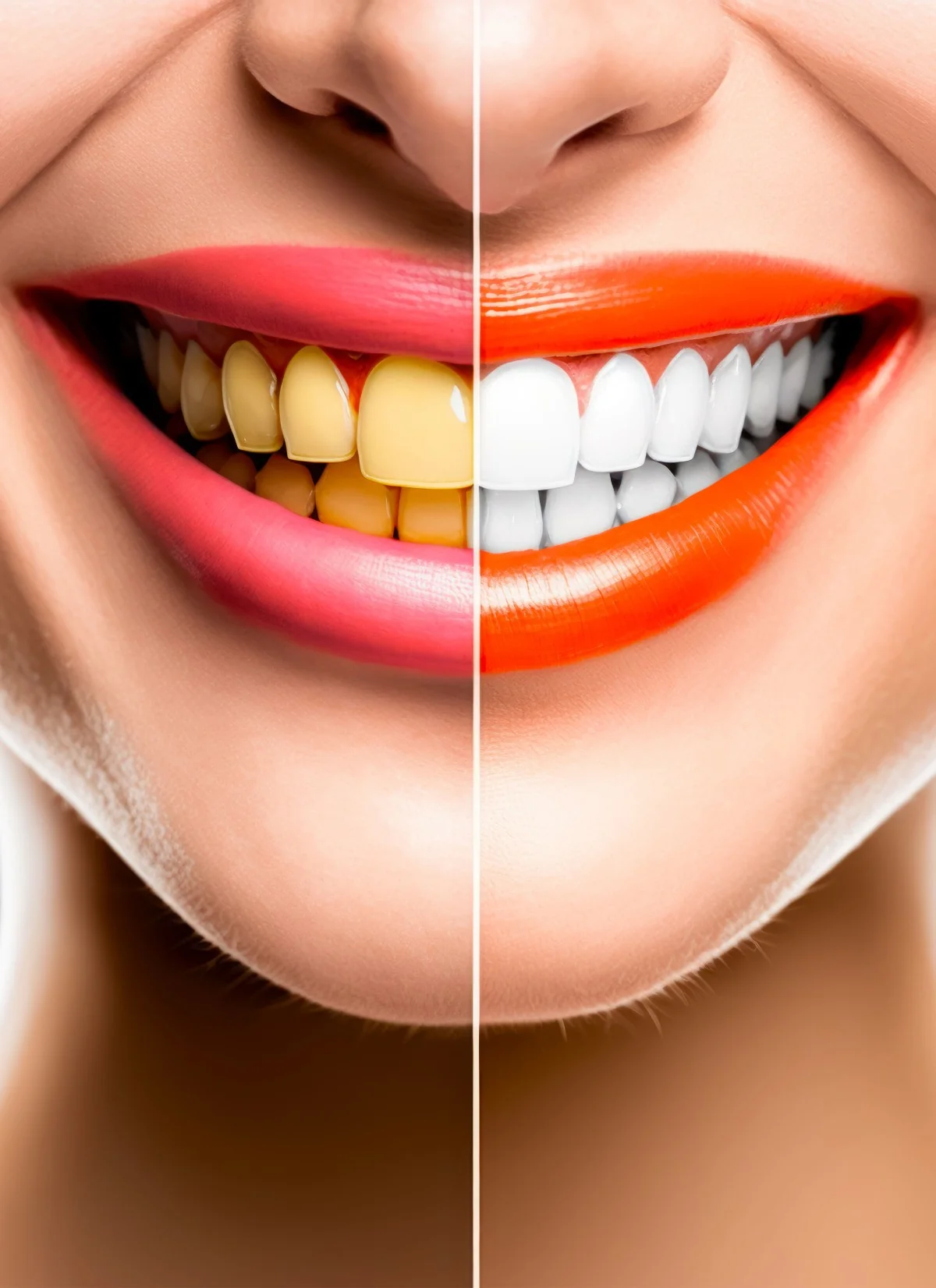
Since healthy and white teeth are the symbol of beauty and health; Teeth whitening is a frequently preferred method and one of the most striking points in the society is the beauty of the mouth and teeth,
Detailed Information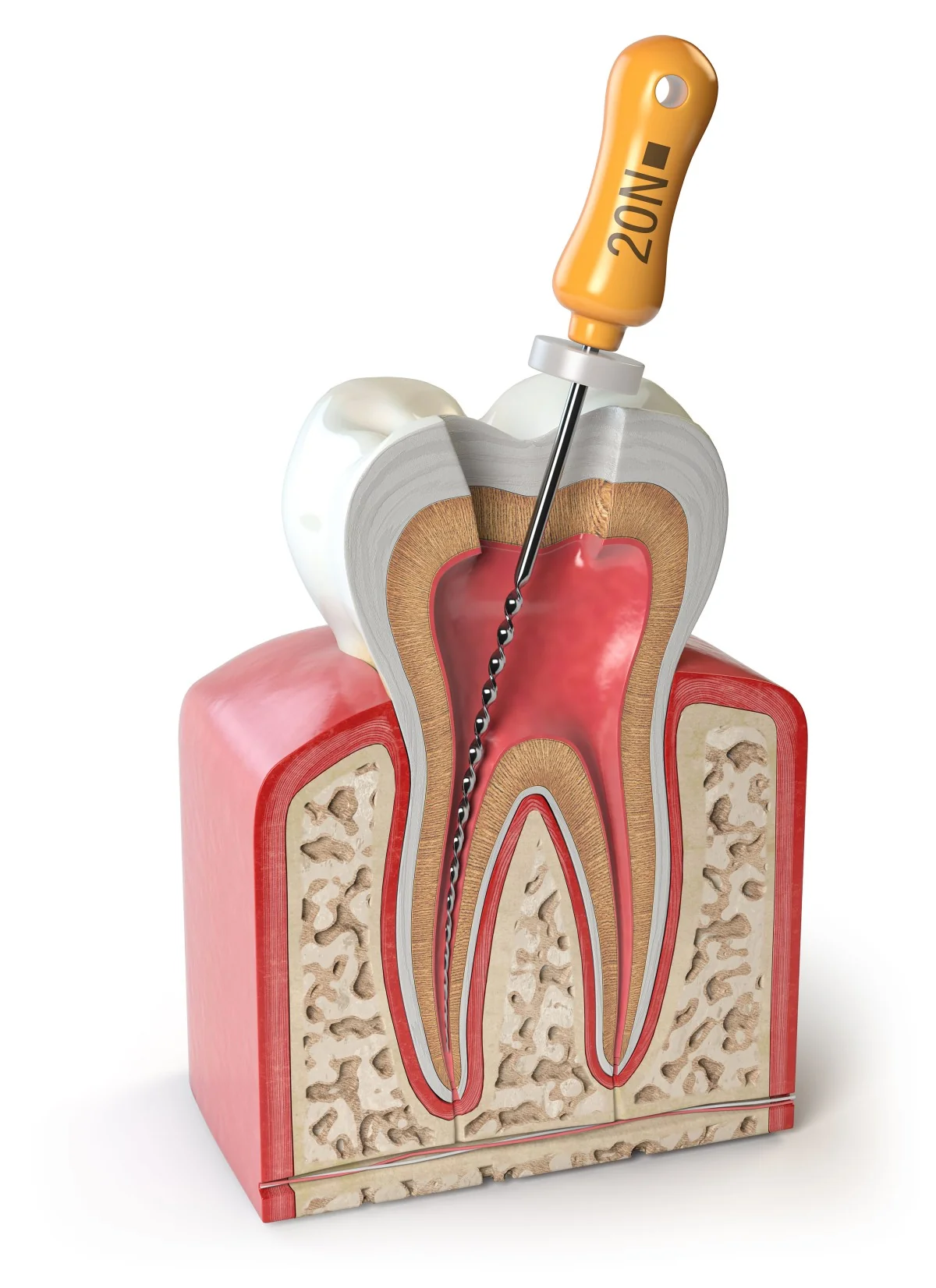
Endodontic, also known as root canal treatment, is applied to the patient’s tooth due to infection or significant decay,
Detailed Information
Dental and dental health is one of the most important issues that people pay attention to.
Detailed Information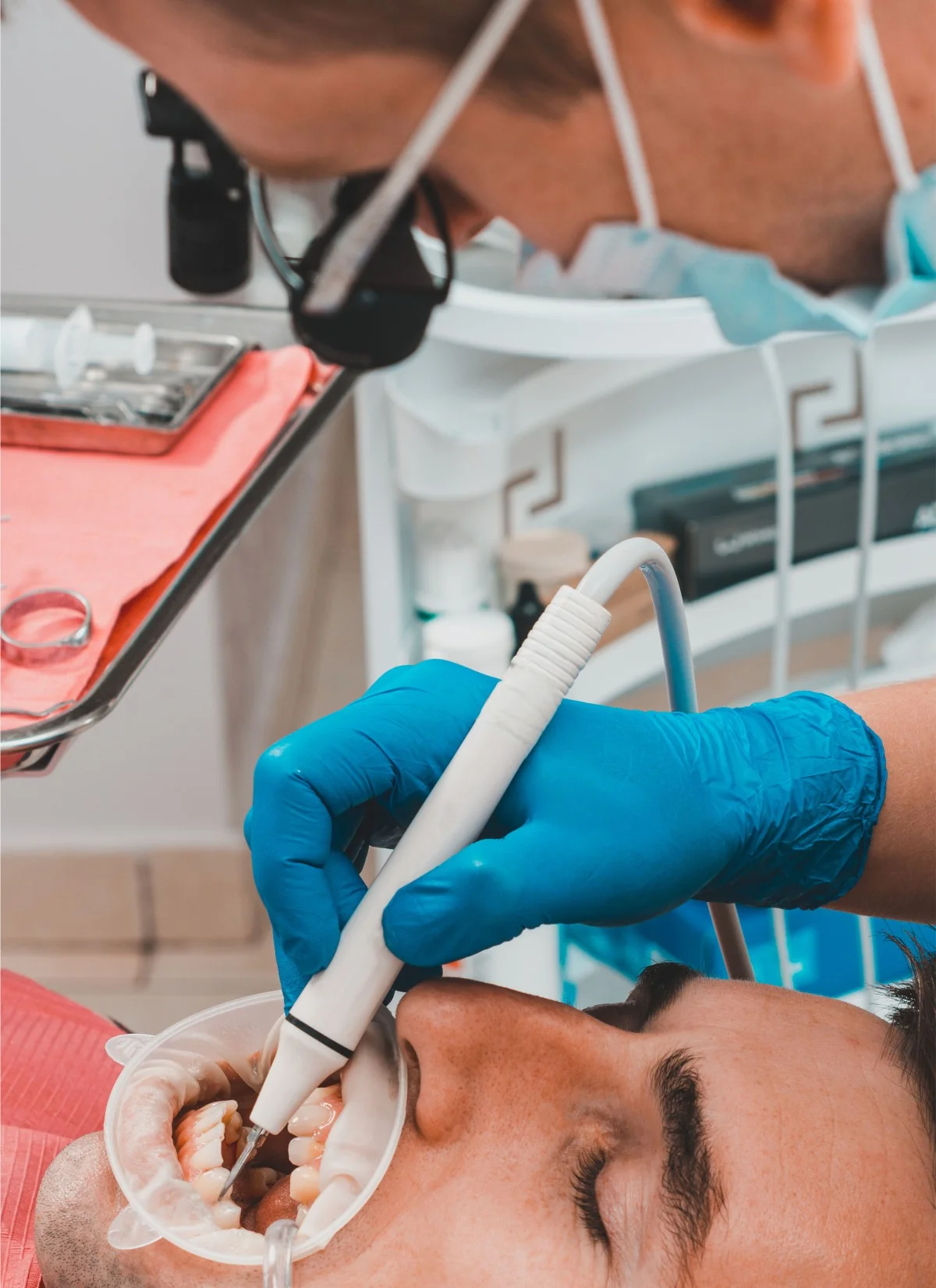
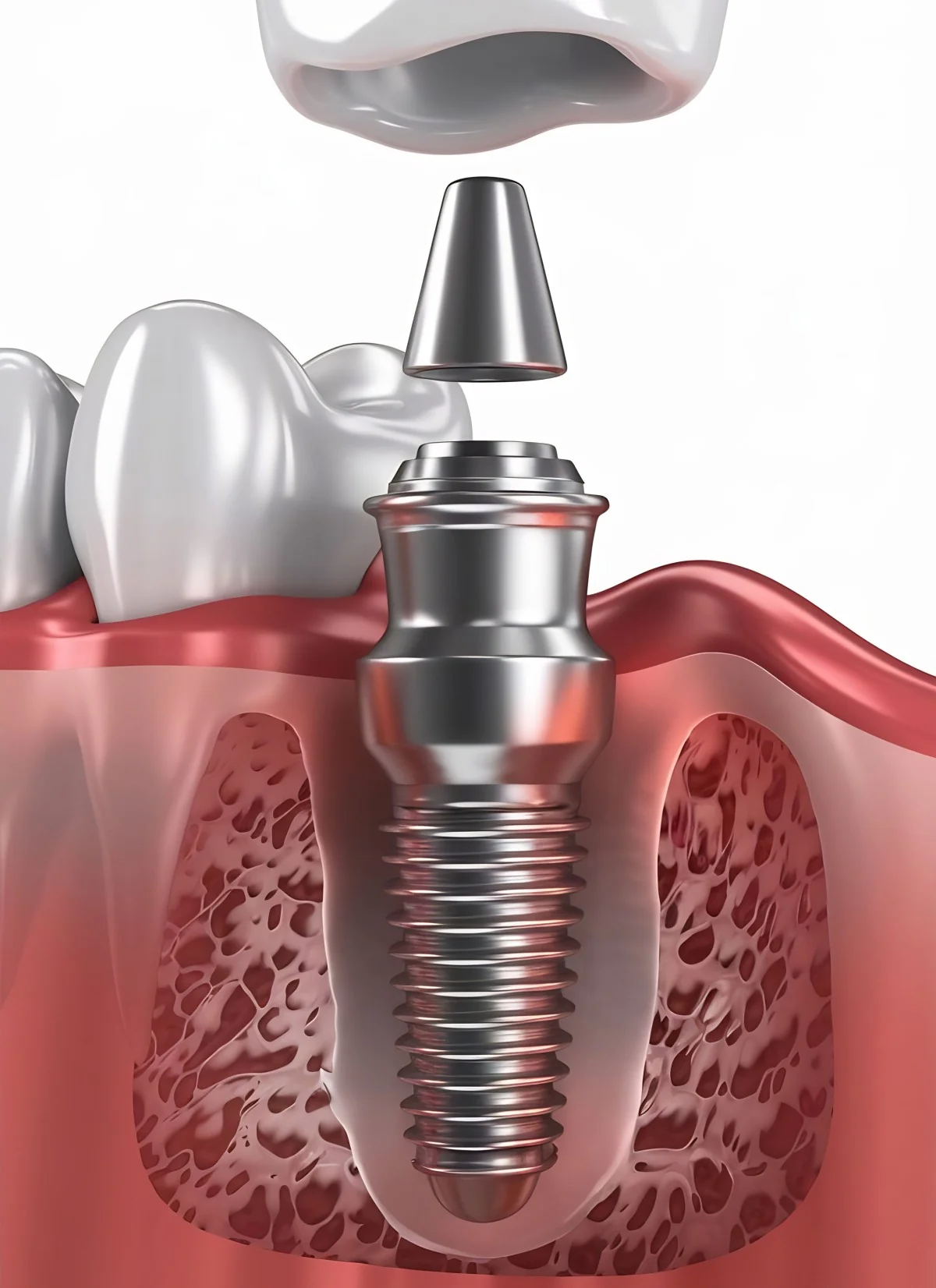
Dental implants are screws made of titanium that imitate tooth roots. It provides support to artificial teeth such as implants,
Detailed Information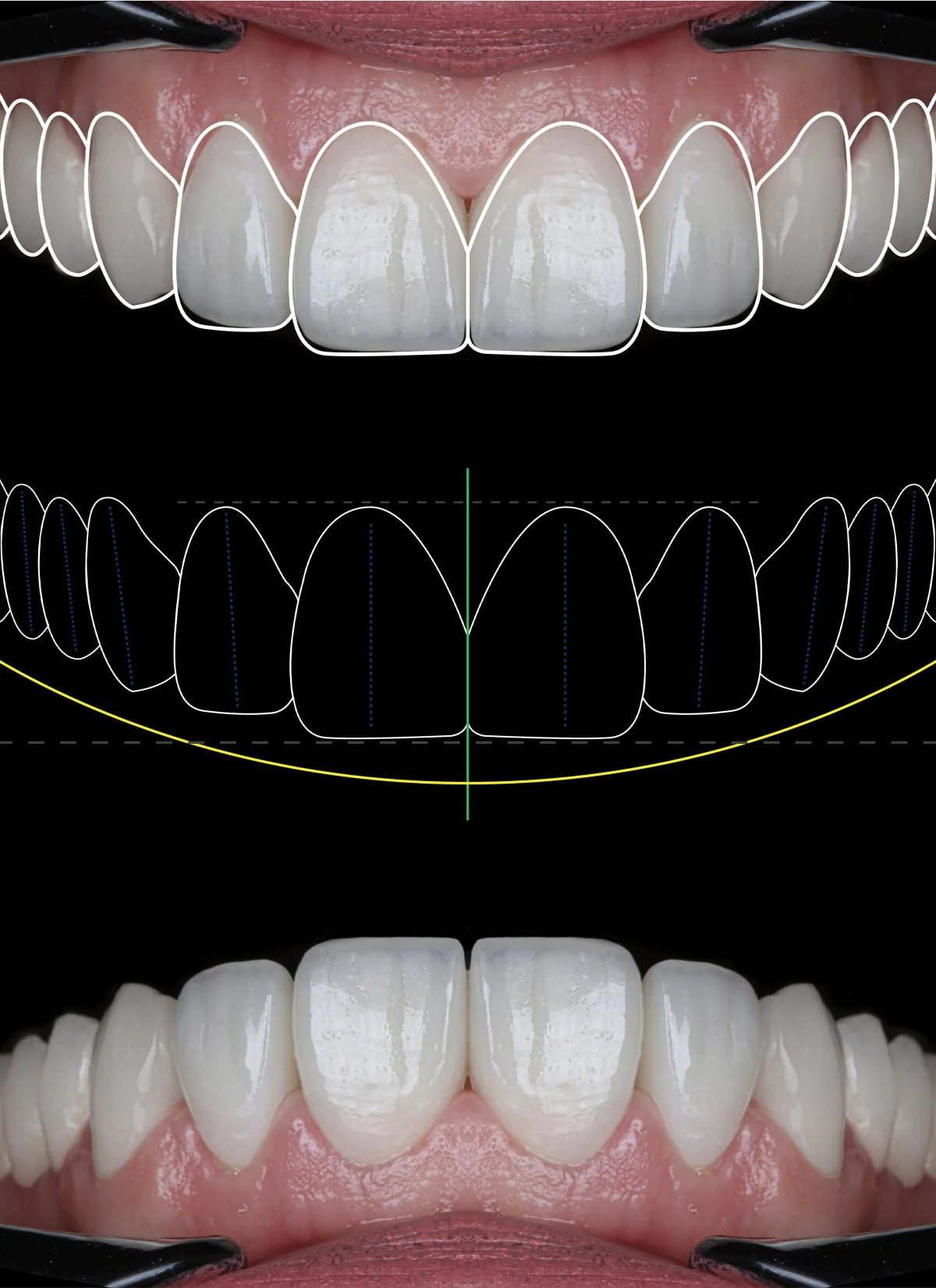
Smile Design makes your dental condition look more aesthetically pleasing and more natural.
Detailed Information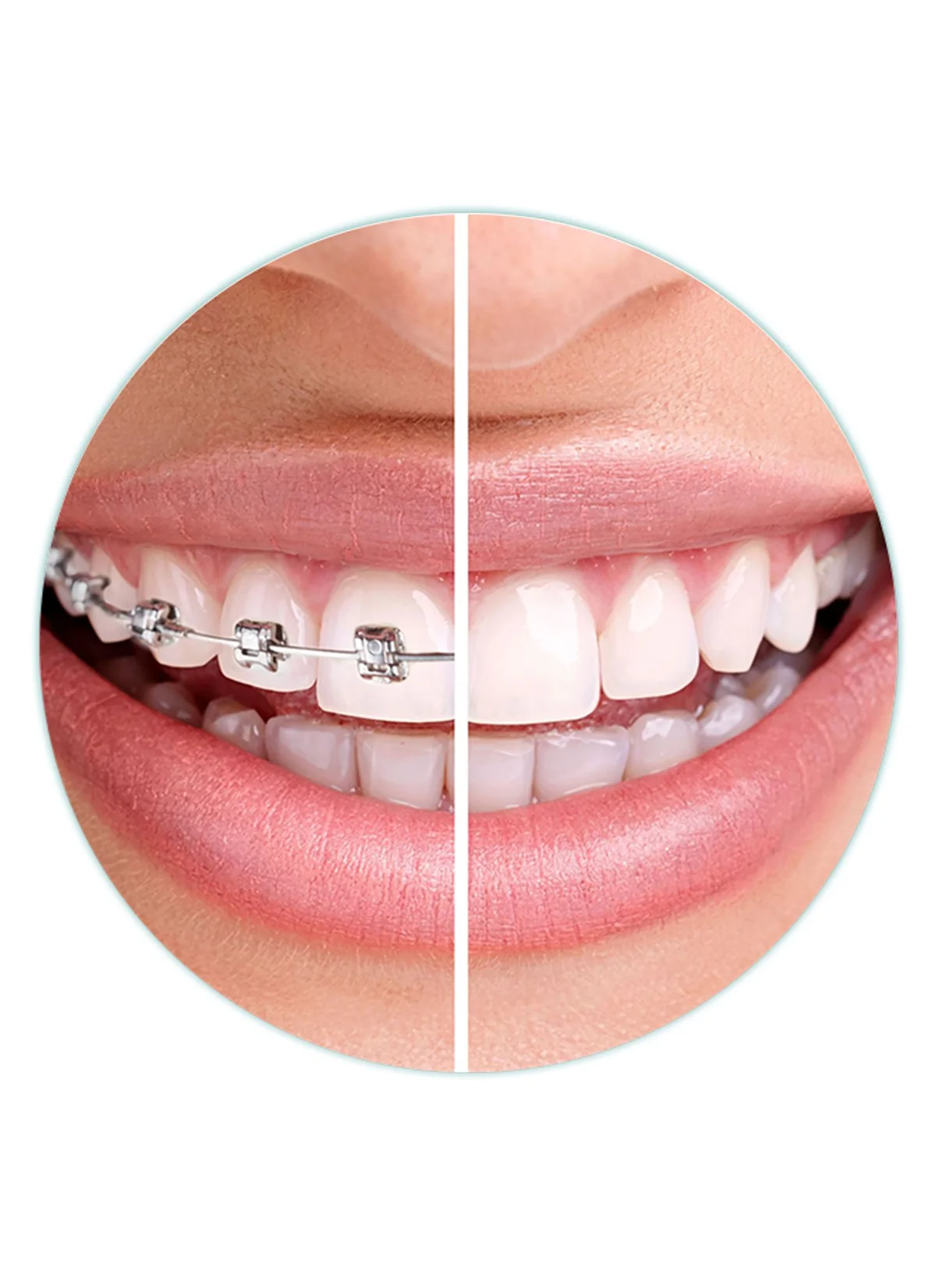
 Health Tourism
 TR
TR 